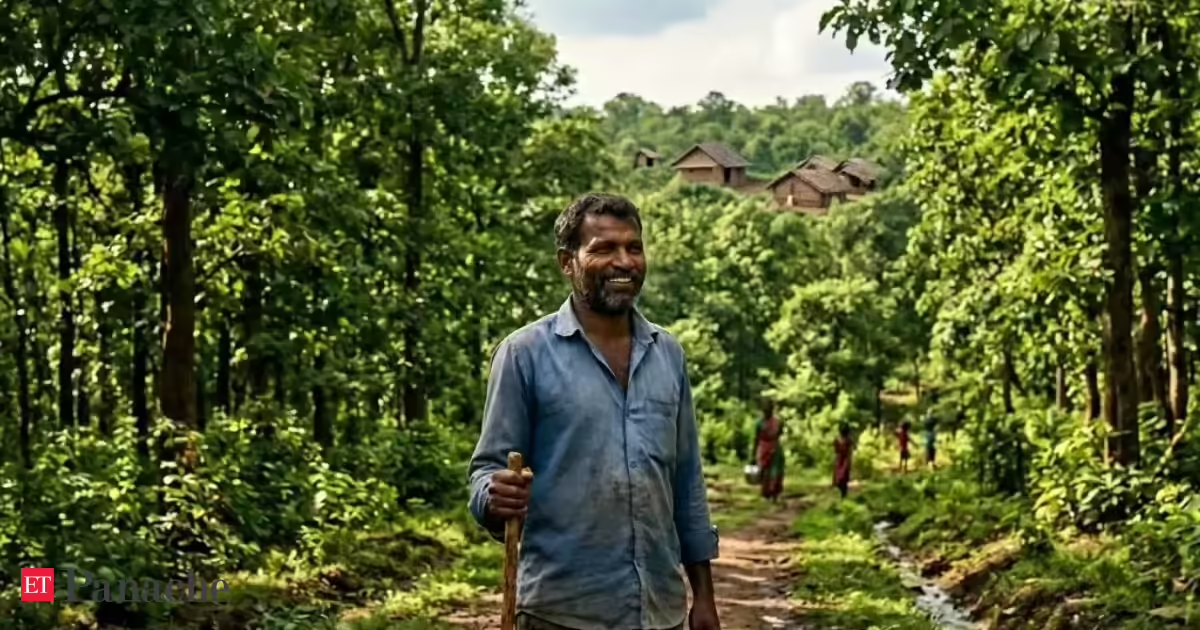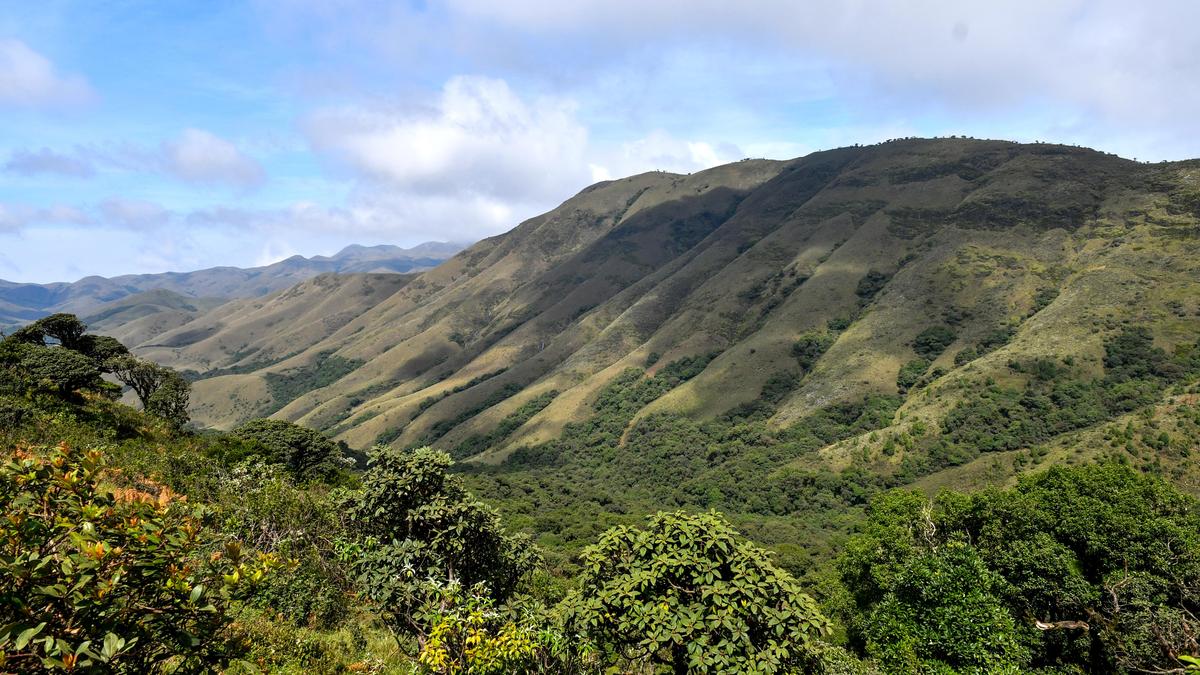
On June 5, 1972, back when concern for the environment was neither fashionable nor a global priority, the United Nations Conference on the Human Environment was inaugurated at Stockholm, Sweden. Attended by 122 countries, the conference set the world on a new path, and led to the creation of the United Nations Environment Programme (UNEP).Romancing trees: How Chipko birthed AppikoThe road to the landmark conference, tasked with providing guidelines for action by national governments and international organizations, was far from smooth. Recent colonisers like Britain, France and Italy, fearful that their former colonies would demand reparations for past environmental sins, plotted to stymie the conference. On their part, the former colonies were understandably wary of restrictive regulations that the west would likely impose on them, hindering their own efforts at economic and social development.Initially sceptical of the need for a global environmental program, America jumped on the bandwagon after the 1969 Santa Barbara oil spill that devastated the California coast. The disaster provided US politicians an opportunity to deflect the youthful anger of the anti-Vietnam War protests towards environmental protection. On April 22, 1970 (celebrated today as Earth Day), close to 20 million Americans spilled into the streets across the country, protesting against environmentally harmful industry practices.Of the countries that made a big impression at the 1972 conference were China, which successfully protested the section of the Stockholm Declaration that linked large population sizes to environmental degradation; and India, whose then-Prime Minister, Indira Gandhi, made a powerful speech about the hypocrisy of the West, which derided our country’s poverty while warning us against using its own methods to alleviate it.Meanwhile, in the Garhwal Himalayas, which were being steadily denuded as a result of untrammelled logging by government-approved contractors, ecological awareness was at an all-time high following the 1970 Alaknanda River floods. From 1973 onwards, people in the area began to stage organised protests against commercial logging operations. Things came to a head on March 25, 1974, when loggers who arrived to begin the felling of 2500 trees near the village of Chamoli Gopeshwar were stopped in their tracks by the women of the village, who simply hugged the trees and refused to let go. Helpless, the loggers left, and the Chipko Movement, named after the women’s unique style of protest, was born. In 1980, the Indira Gandhi-led government imposed a ban on the felling of trees in the Himalayas for 15 years.Among those hugely inspired by the Chipko Movement was Panduranga Hegde, a chartered accountant from Sirsi, Uttara Kannada. A few years into his accounting job, Hegde pivoted to where his heart really lay, enrolling at the Delhi School of Social Work. It was there that he first encountered one of the leaders of the Chipko Movement, the tireless Sunderlal Bahuguna. In the early 80s, aghast at the rampant deforestation taking place in the hills of the Western Ghats around his hometown, Hegde returned to Sirsi, where he began working to educate and empower people to take responsibility for their forests.In September 1983, the Karnataka forest department began felling trees in the Kalase forest in Sirsi taluk. As the news spread like wildfire, people from villages like Gubbigadde and Salkani mobilised around Hegde. On September 8, a group of 160 marched through 8 km of leech-infested monsoon forests to the tree-felling site, and fell upon the trees, hugging them tight and birthing the Appiko (‘hug’ in Kannada) Movement. Helped along by the unstinting support of the media and the inherent appeal of a noble, non-violent campaign built around hugging trees, Appiko captured the public imagination. In 1990, the state government imposed a total ban on the felling of green trees within natural forests.(Roopa Pai is a writer who has carried on a longtime love affair with her hometown Bengaluru)
Romancing trees: How Chipko birthed Appiko
The 1972 Stockholm Conference launched global environmental efforts, inspiring movements like Chipko and Appiko in India, promoting tree protection and awareness. | India News
629 words~3 min read