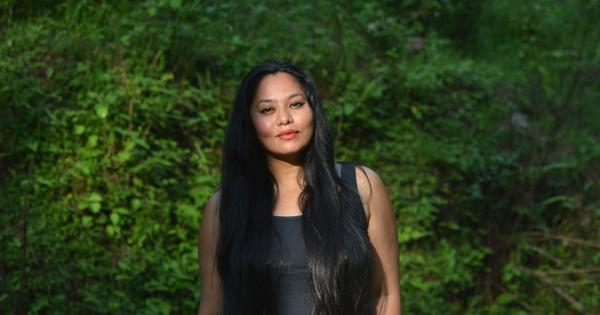
Ethnobotanist and activist Pavel Partha says Bangladesh’s environmental policies overlook the critical relationship between plants and humans; despite an emphasis on conservation, there is no ecological justice.Partha says development decisions should account for both ecological and social impacts, arguing that the two are inseparable.He also warns that ongoing environmental destruction erases languages, cultural practices and traditional ecological knowledge alongside ecosystems.Partha spoke with Mongabay about his activism and how scientific research can support Indigenous communities facing environmental destruction.
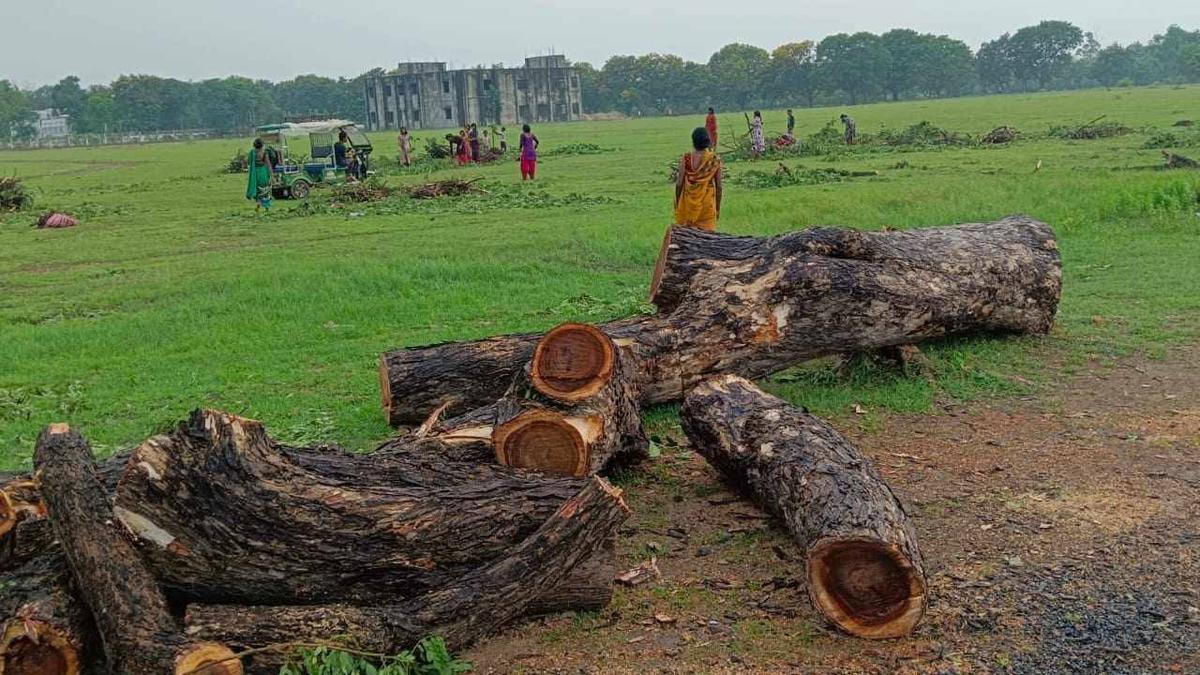
Pavel Partha and I first crossed paths almost two years ago at a 2024 sit-in protest against the destruction of Panthakunja Park in Dhaka, the Bangladesh capital. In a makeshift tent that housed a few activists, his eccentricity stood out as the researcher made a detailed list of the plants, birds and species affected by the felling of trees. When I asked him why such documentation was necessary for a protest, he said the plants, trees and species that make up the ecosystem deserve recognition and justice too.
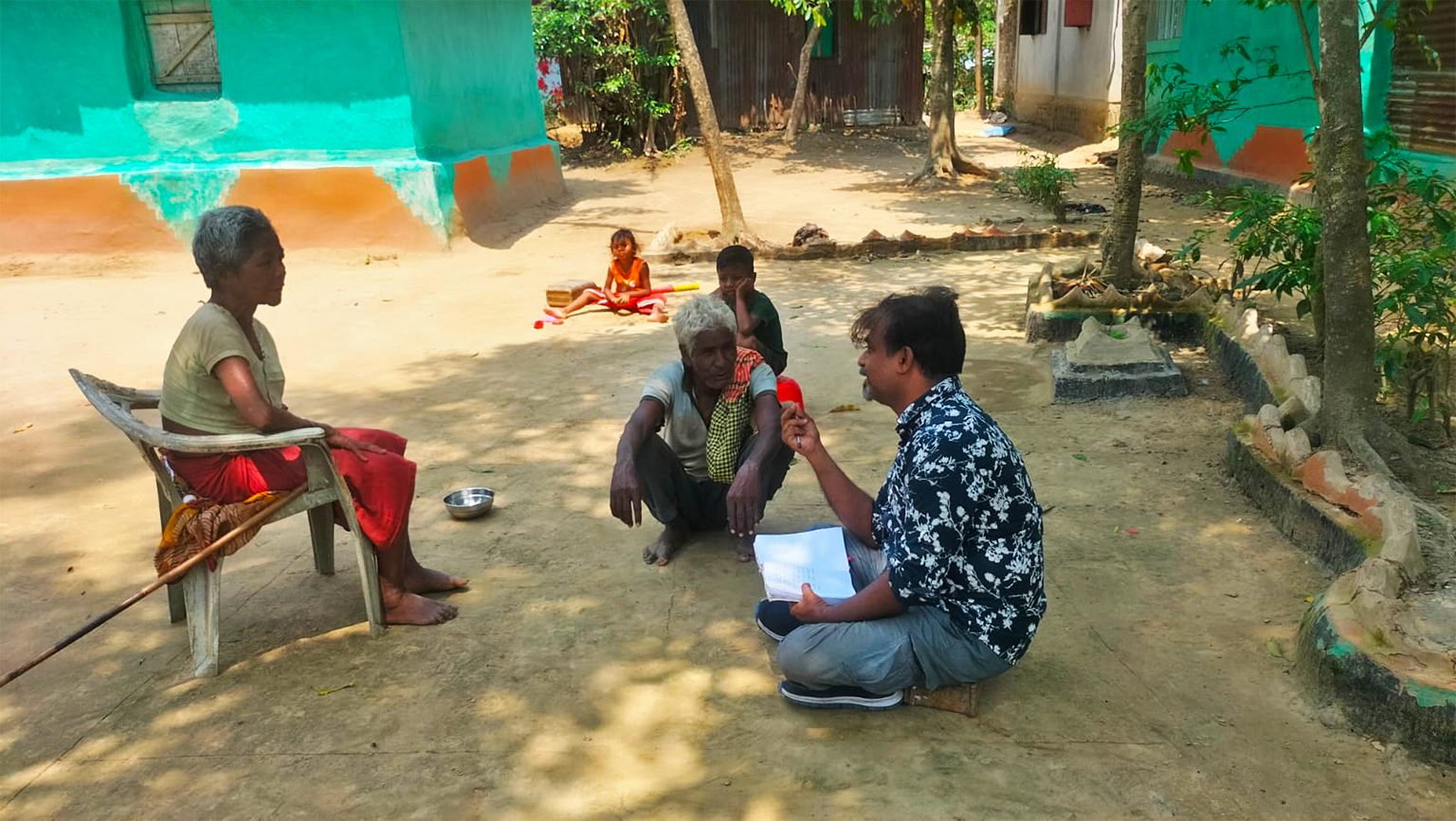
Partha is a trained botanist. For almost two decades, he has researched Bangladesh’s plant diversity alongside the knowledge of Indigenous and local communities through ethnobotanical research (the study of human-plant relationships). But he is just as likely to be found at a protest advocating for the rights of Indigenous communities and the systems they depend on. He is currently the director of the Bangladesh Resource Center for Indigenous Knowledge (BARCIK), where he has worked since 2003, and continues his research.