CRYSTAL BALL: A research team has developed a new way to extract lithium from rock, a change that could reshape battery costs if supply gets tight. The study, published in Science, examines how to reduce energy use and waste when extracting lithium from hard rock ore.
For now, lithium-ion batteries continue to dominate for a simple reason – scale. The global lithium supply chain is already well-developed and highly efficient, making it difficult for alternatives to compete on cost.
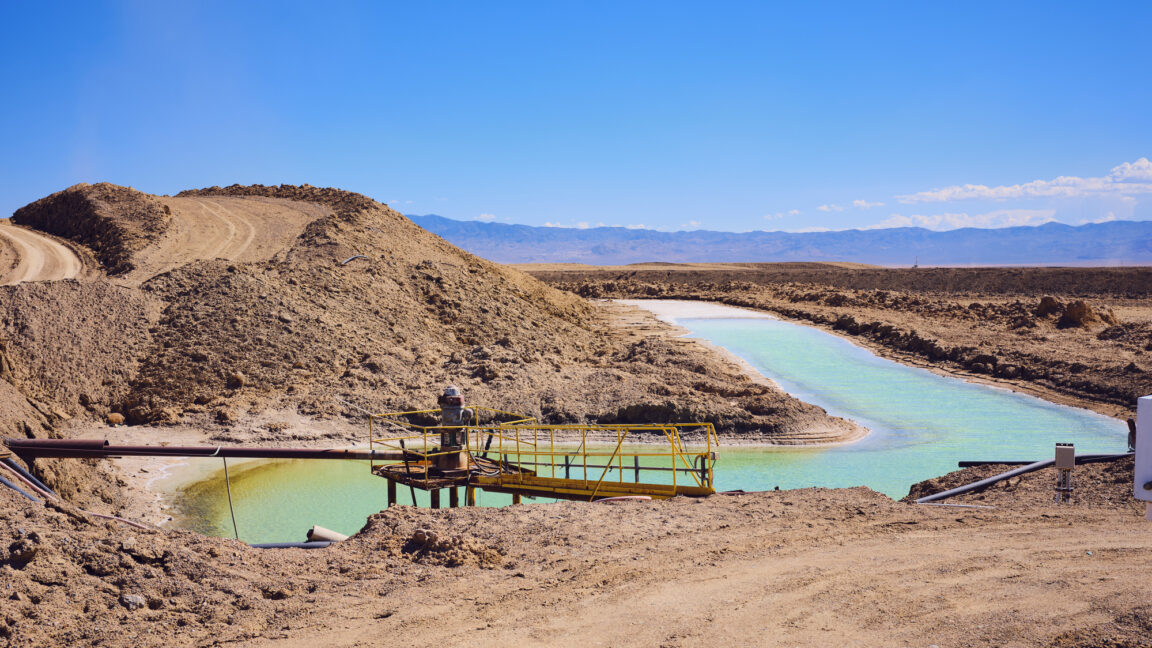
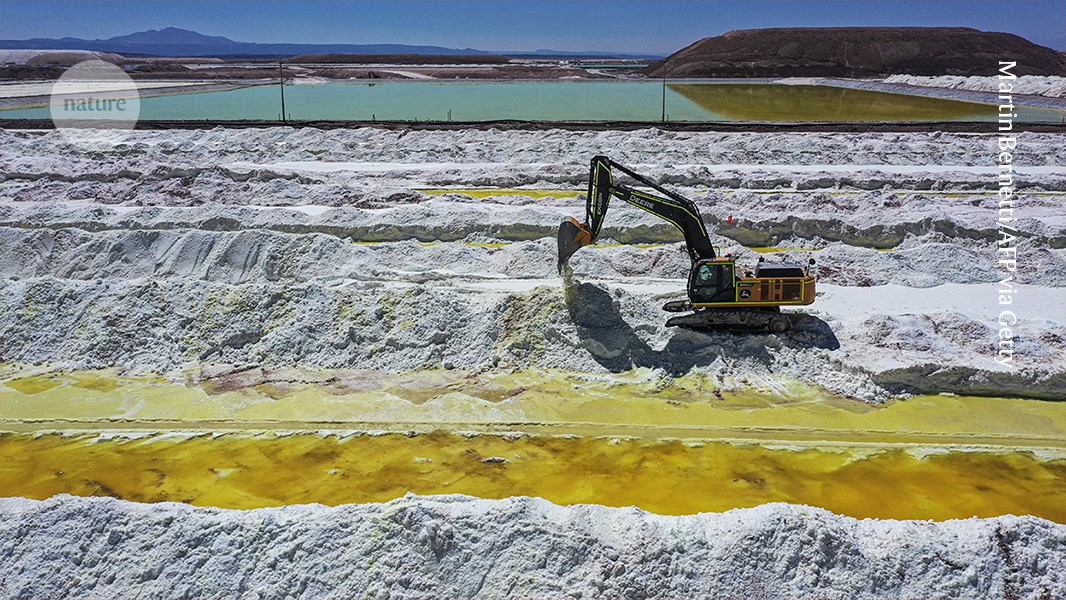
But that advantage depends heavily on access to inexpensive lithium, much of which comes from brine deposits concentrated in South America. While lithium itself is abundant, deposits that are easy and cheap to extract are not.
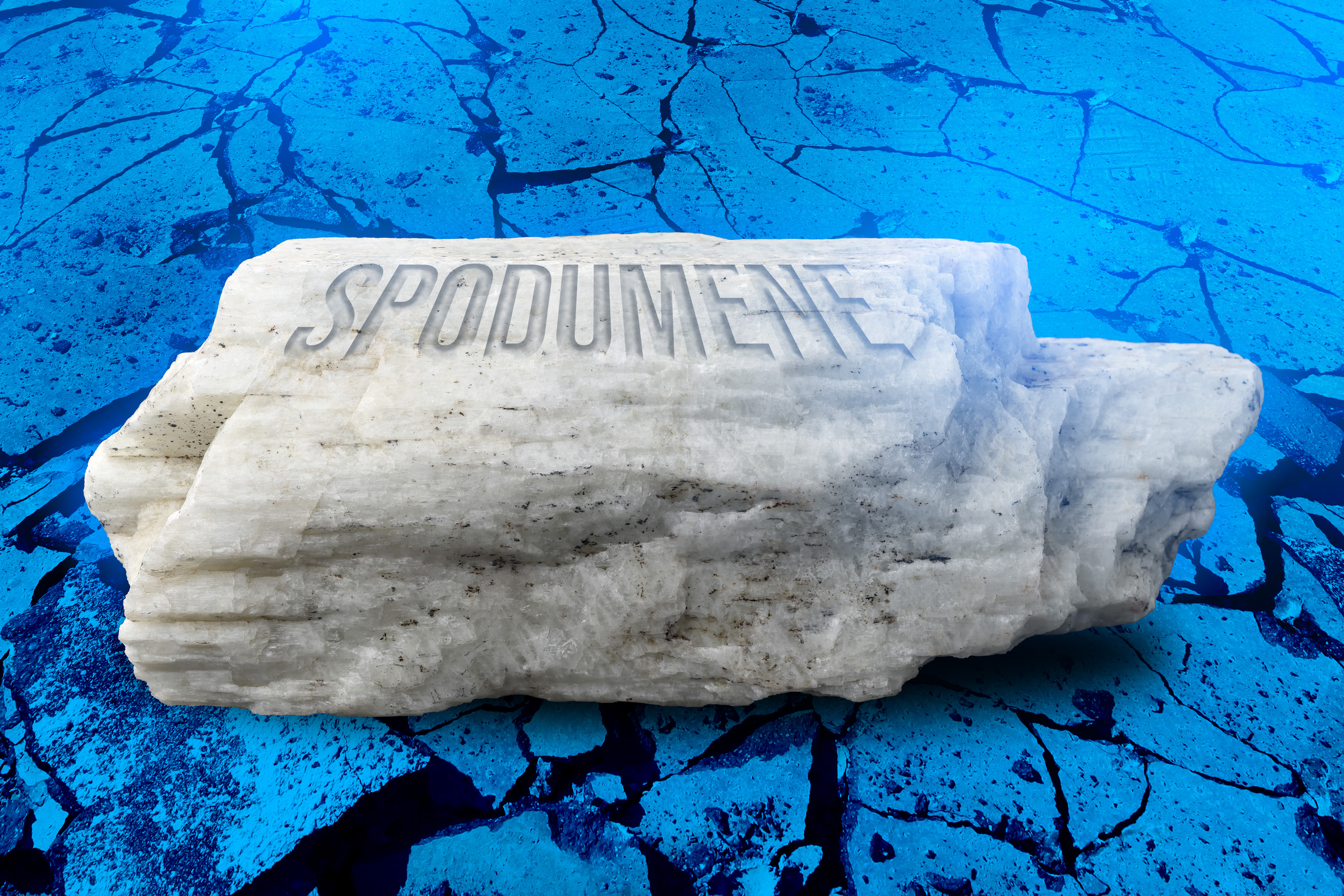
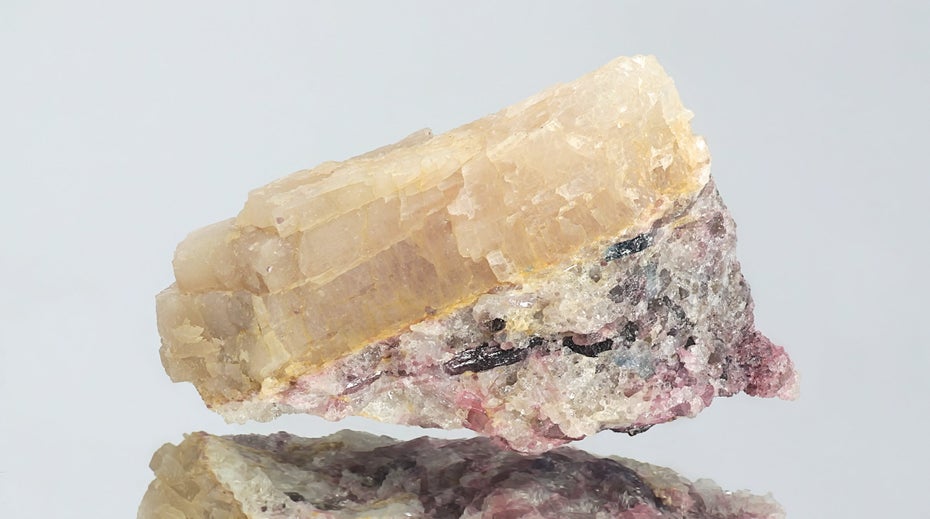
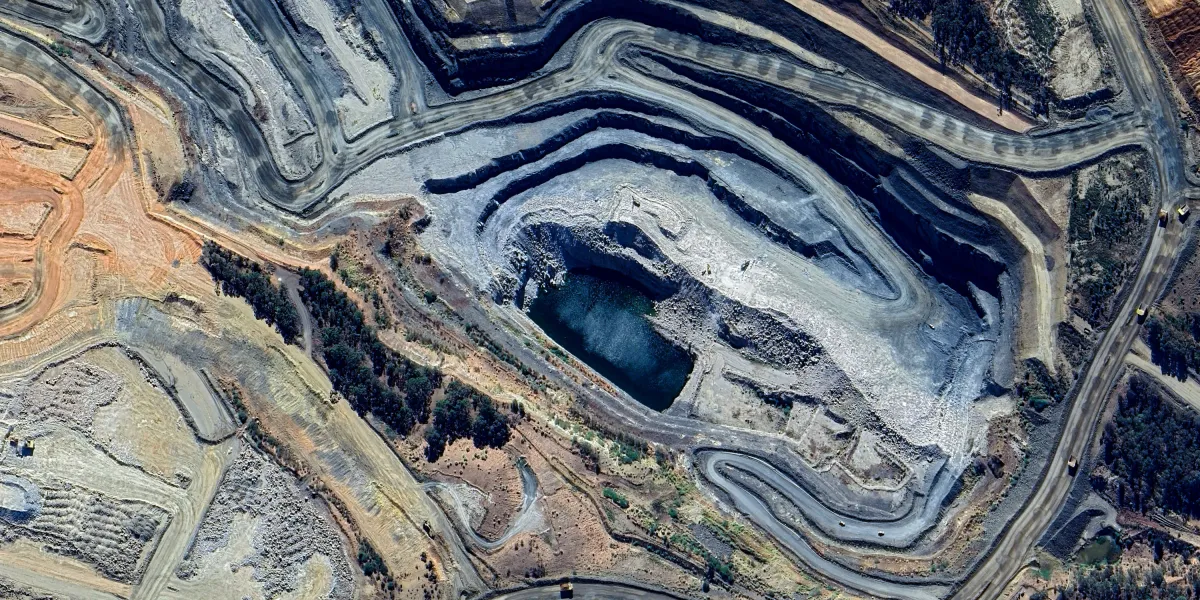
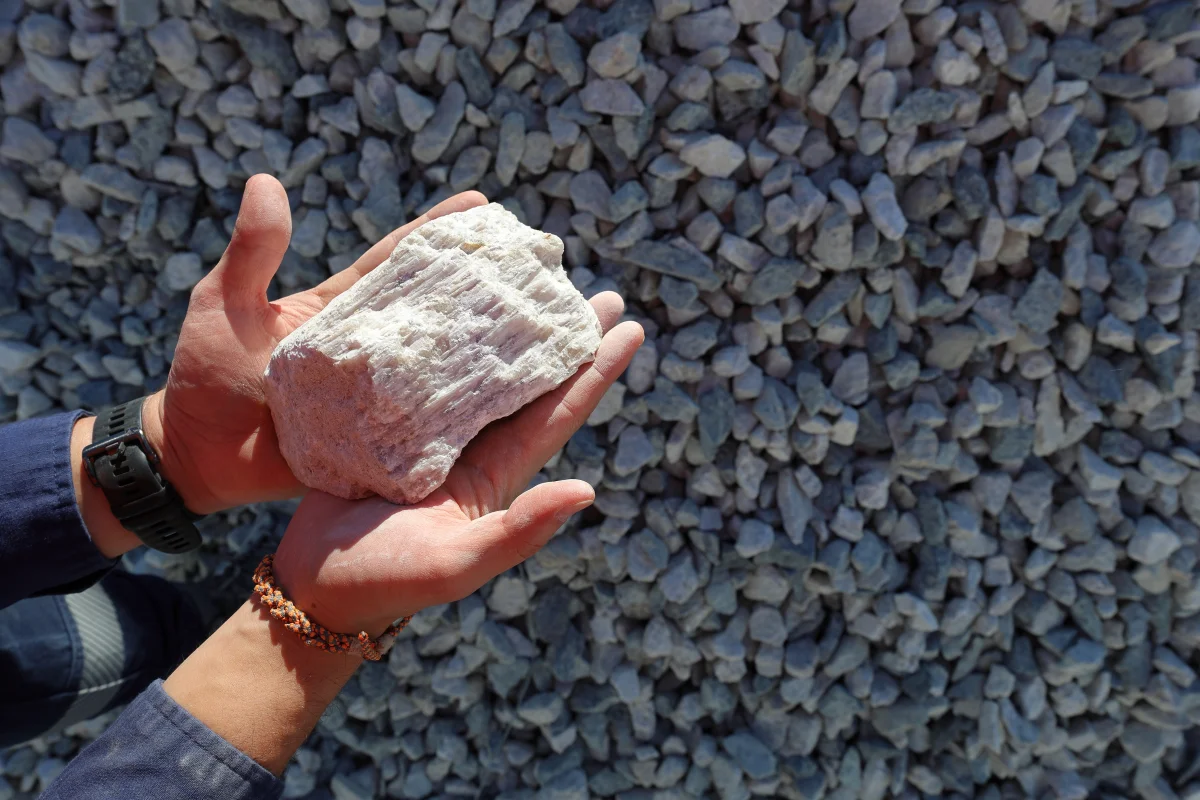
That reality has kept attention on spodumene, a lithium-bearing mineral found in hard rock. It is the most abundant lithium ore globally, but processing it is expensive. The standard approach requires heating the material to around 1,000 °C before treating it with sulfuric acid to extract lithium. The process works, but it consumes large amounts of energy and leaves behind sulfur-based waste.
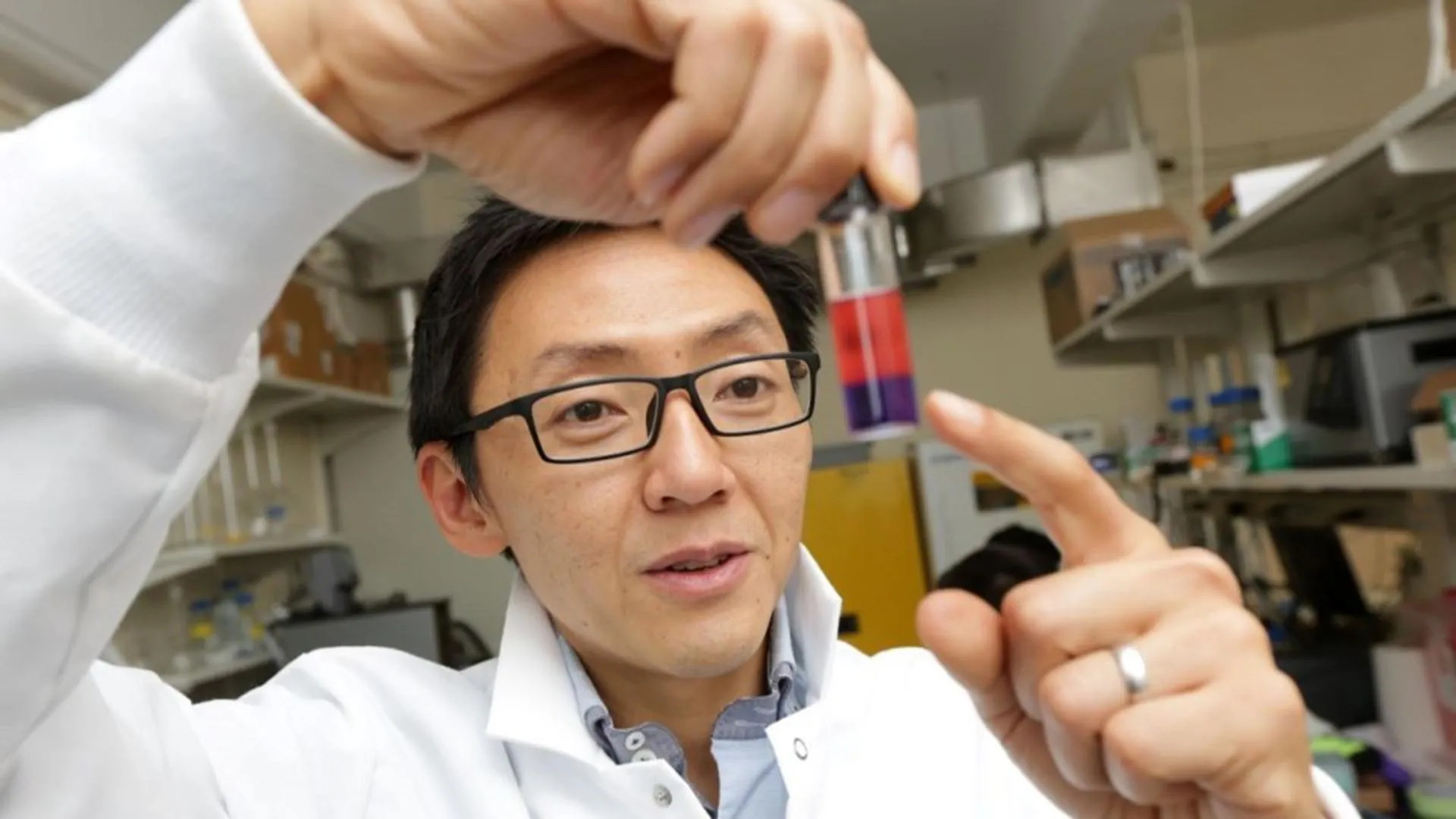
The method developed by researchers at MIT and collaborating companies takes a different approach. Rather than roasting the ore at high temperatures, the team uses an ammonium fluoride solution heated to about 70 °C to break down the mineral. At that point, the reactions separate the ore into streams of lithium, silicon, and aluminum.