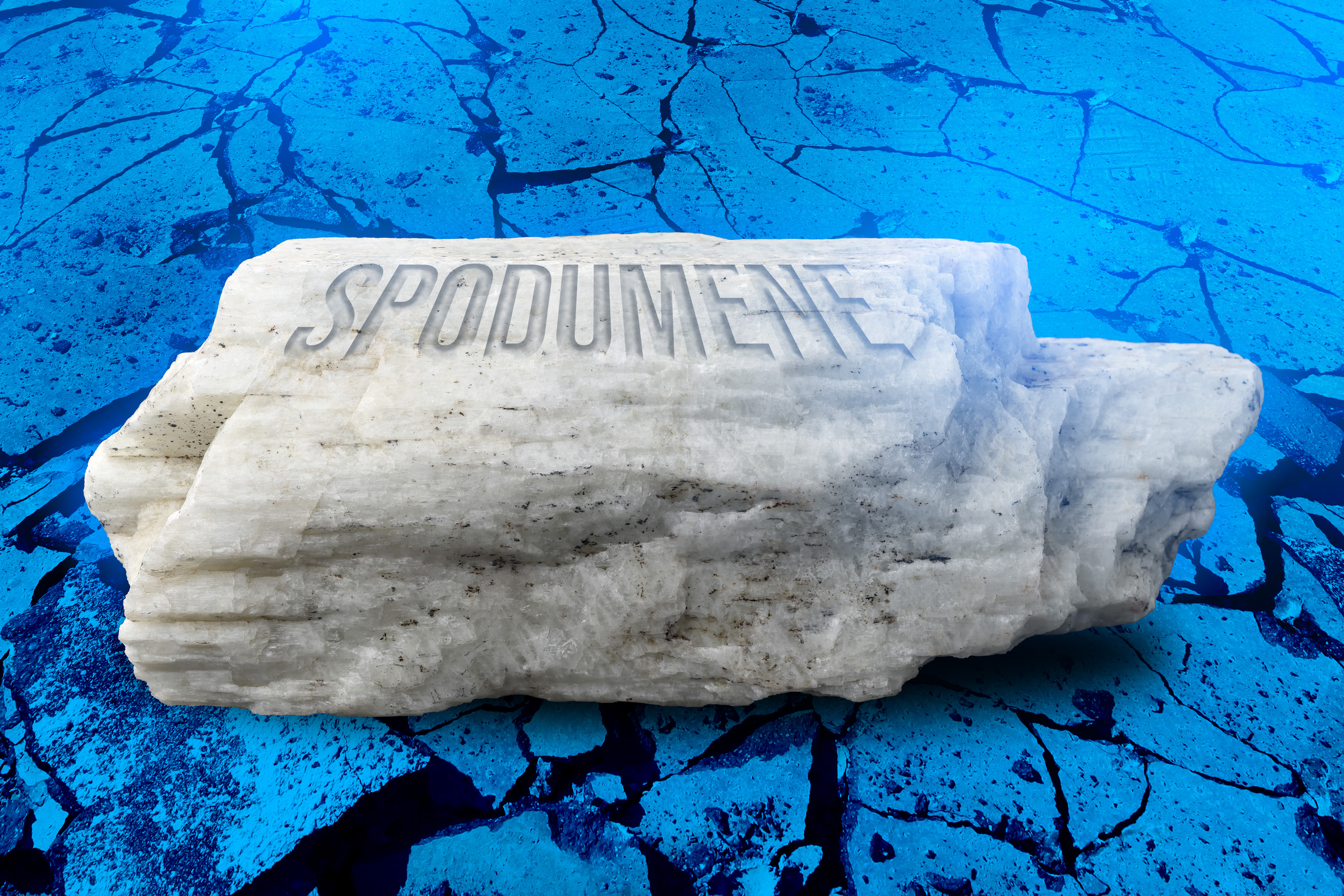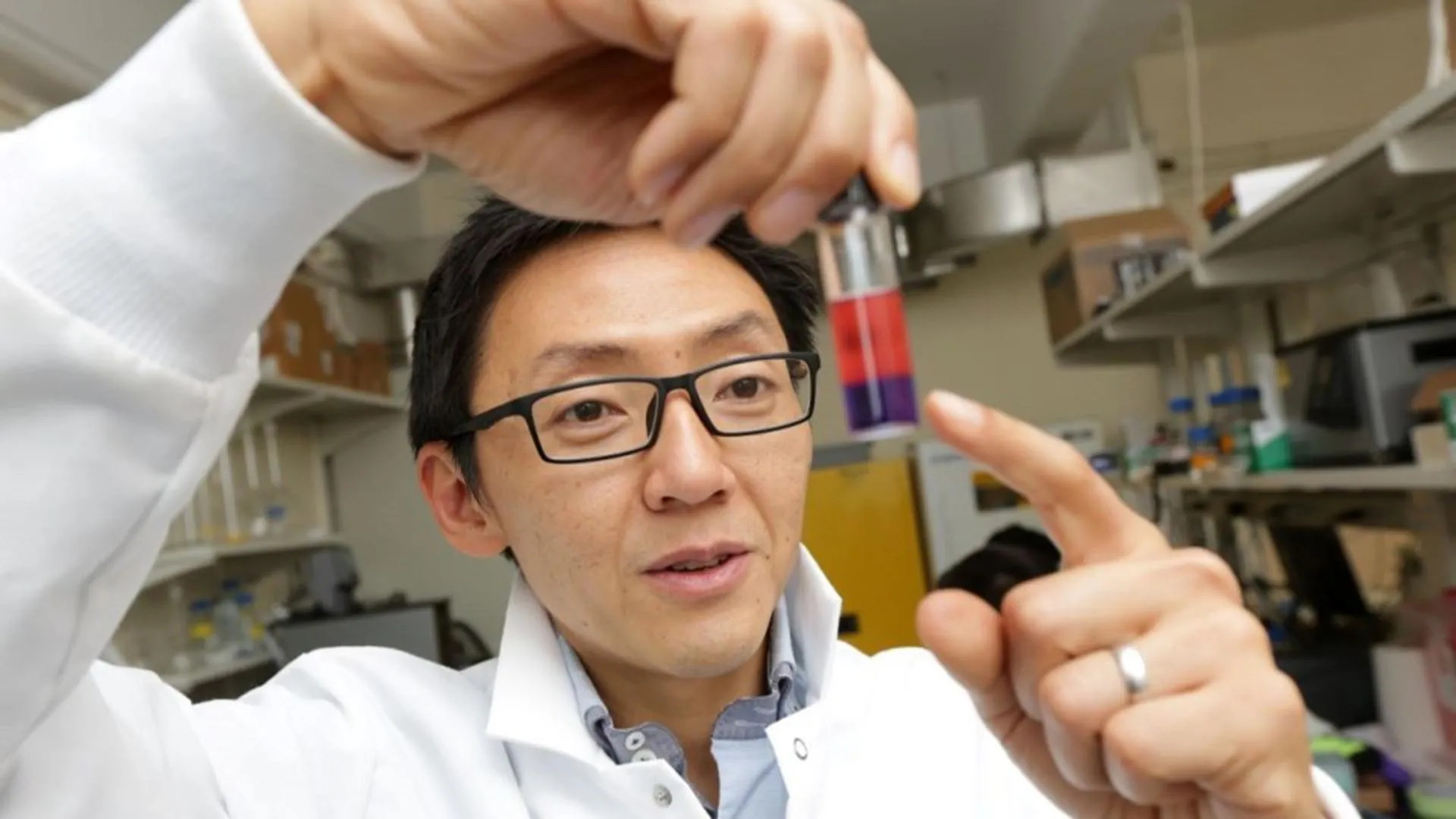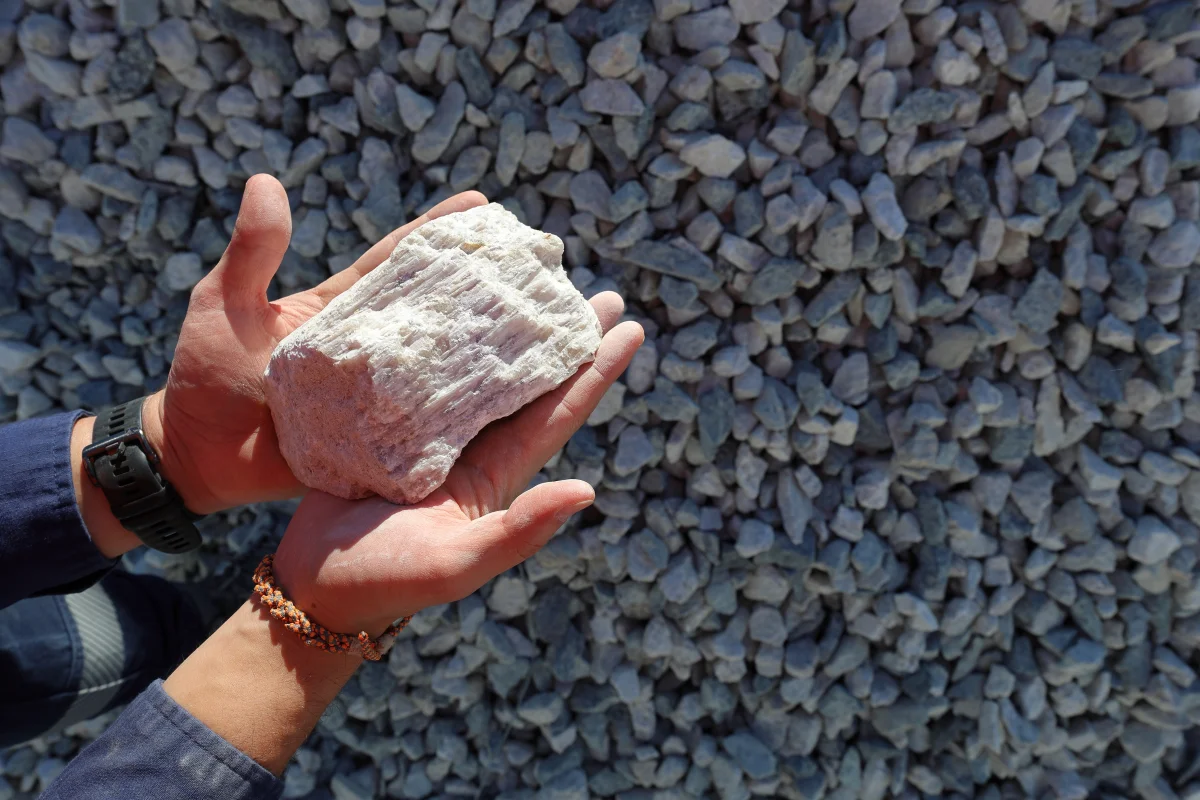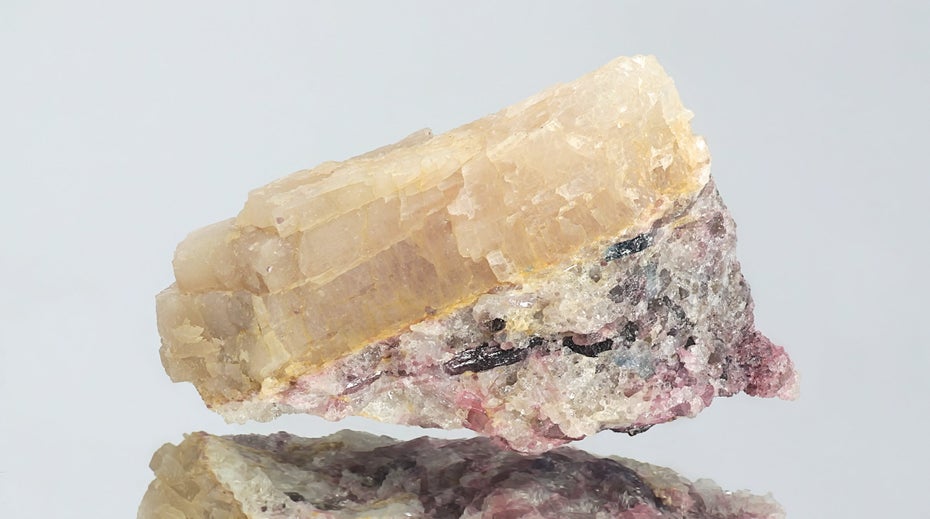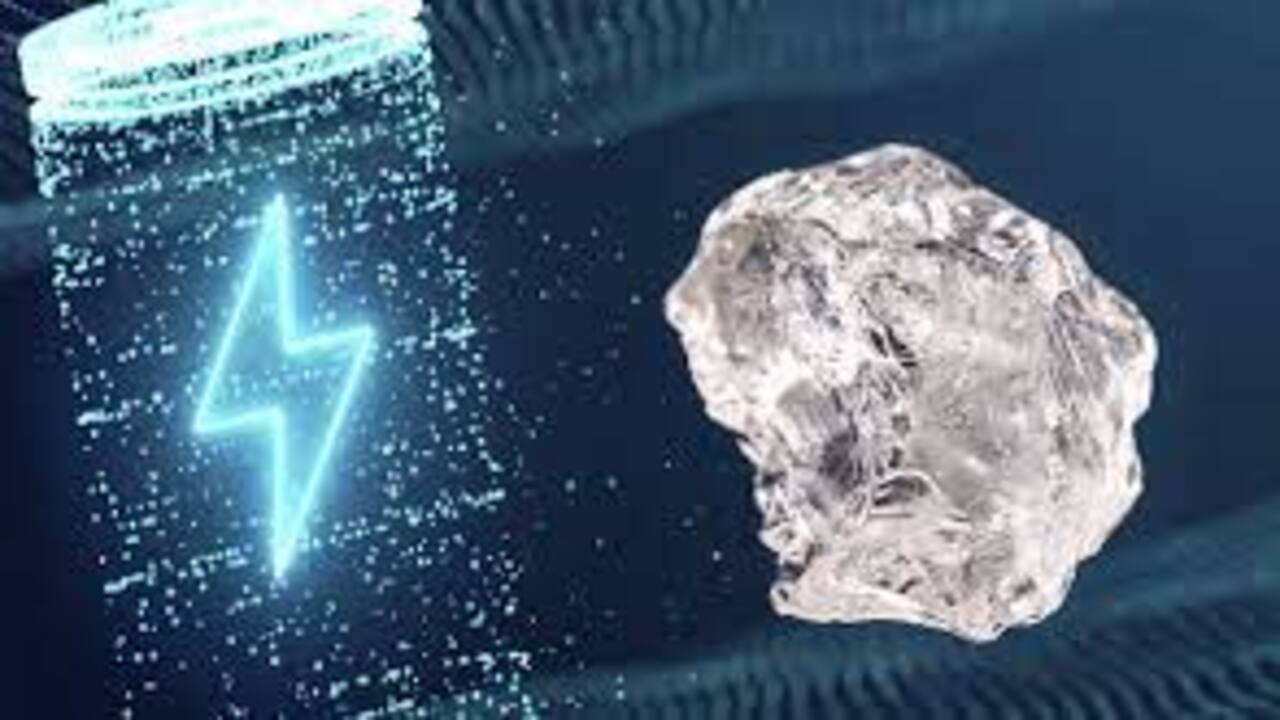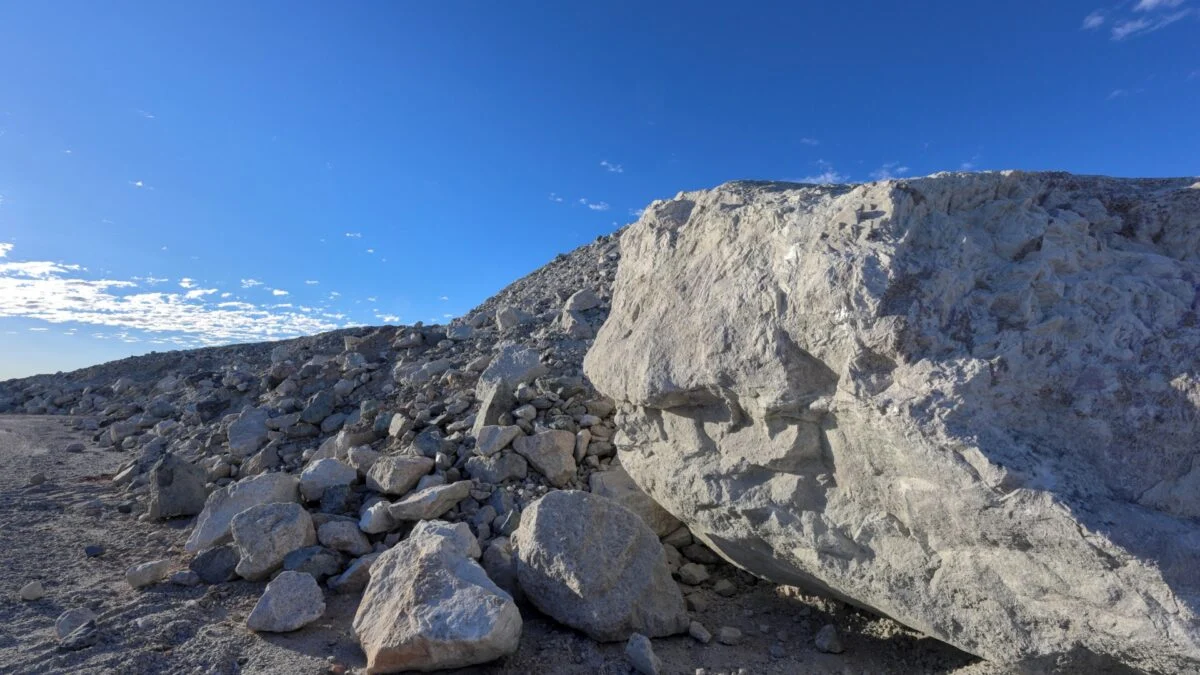
For all its contribution to clean energy tech, lithium is a tricky, not-so-eco-friendly resource to retrieve. As such, scientists have sought more sustainable ways to meet the rising demand for lithium, including a new proposal for a safer, lower-cost strategy for tapping into hard rock containing the valuable element. The new process, detailed in a new study published today in the journal Science, chemically separates a mineral called spodumene into lithium, aluminum, and silicon, which are then separated and purified for their respective industrial uses. Unlike conventional methods, the latest alternative is a low-temperature, acid-free approach that pulls the most valuable products from the main mineral components of spodumene. Deployed at scale, this would be the “lowest-cost way of obtaining lithium from any natural resource,” Yet-Ming Chiang, co-author on the study and Kyocera Professor of Materials Science and Engineering at the Massachusetts Institute of Technology (MIT), told Gizmodo.
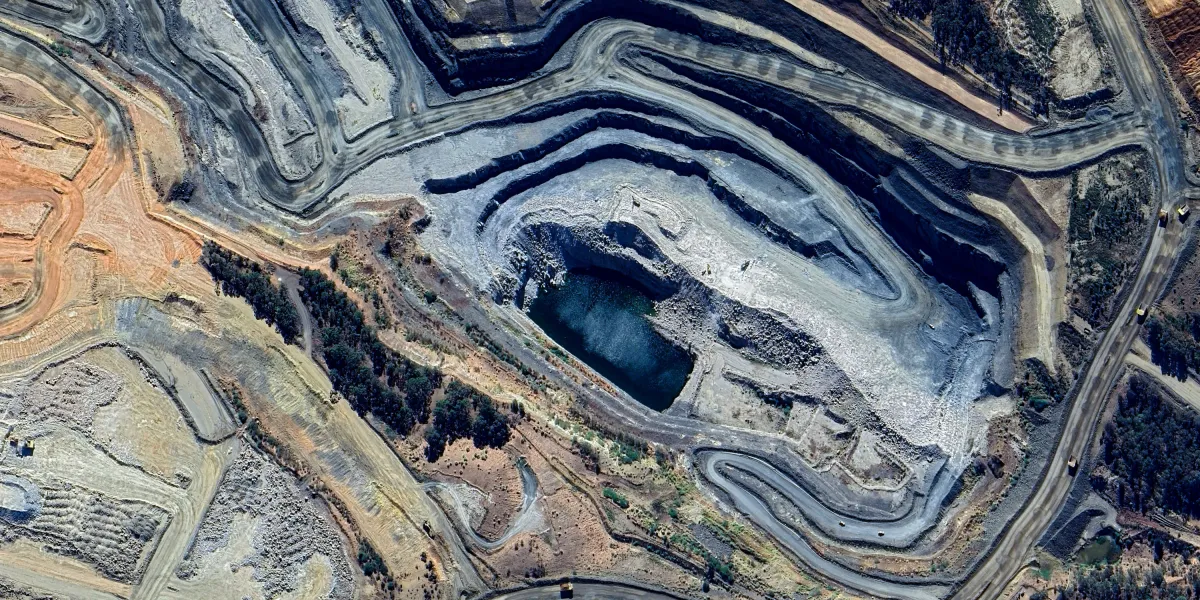
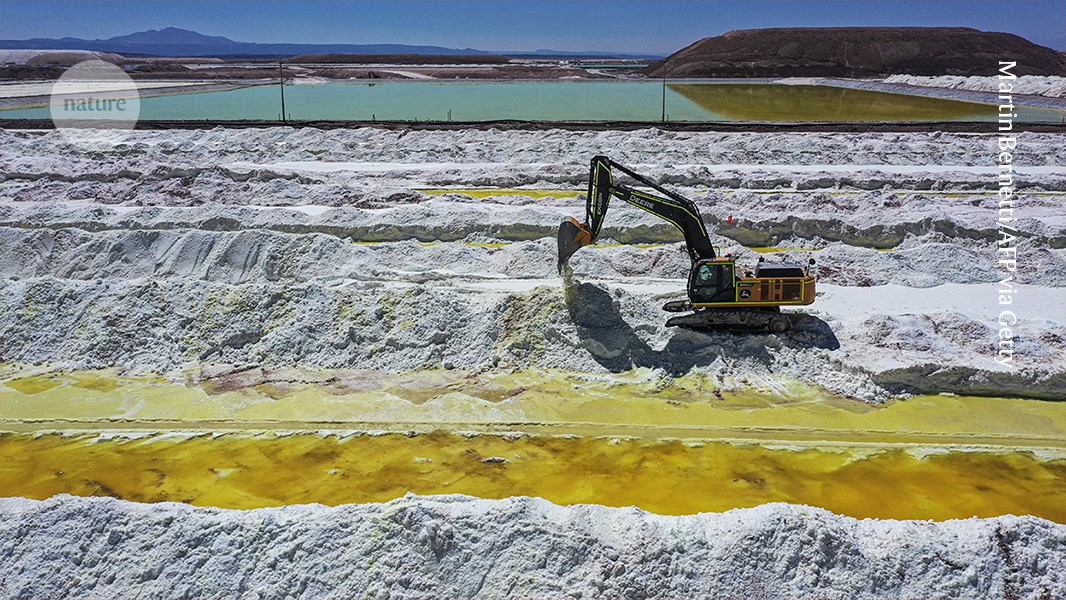
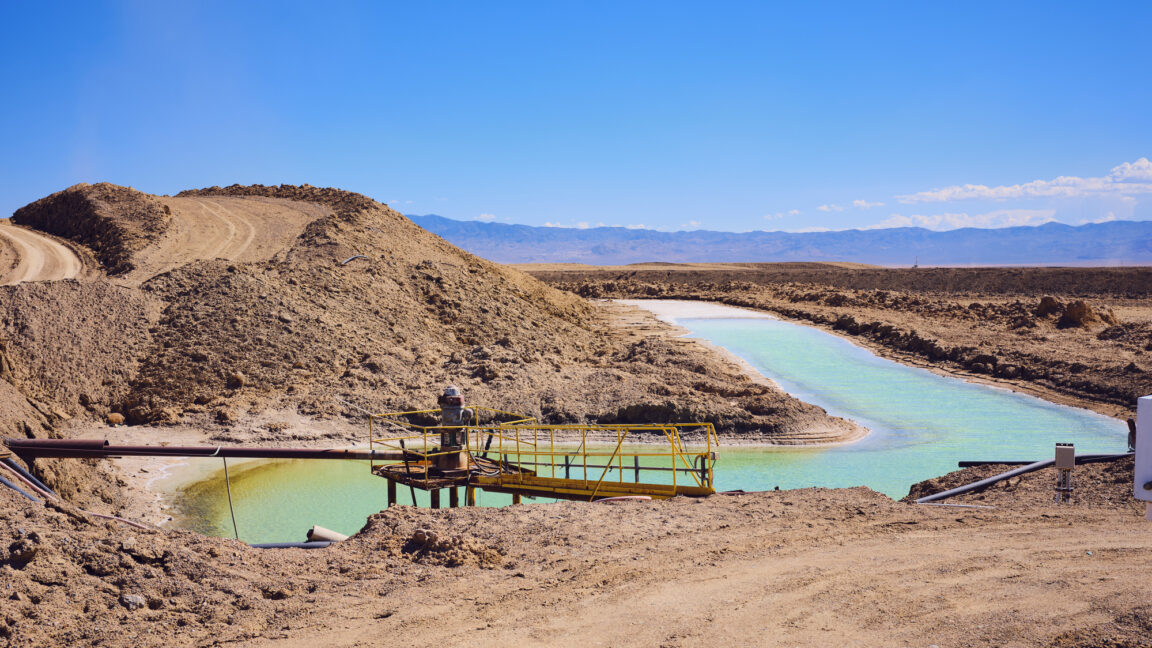
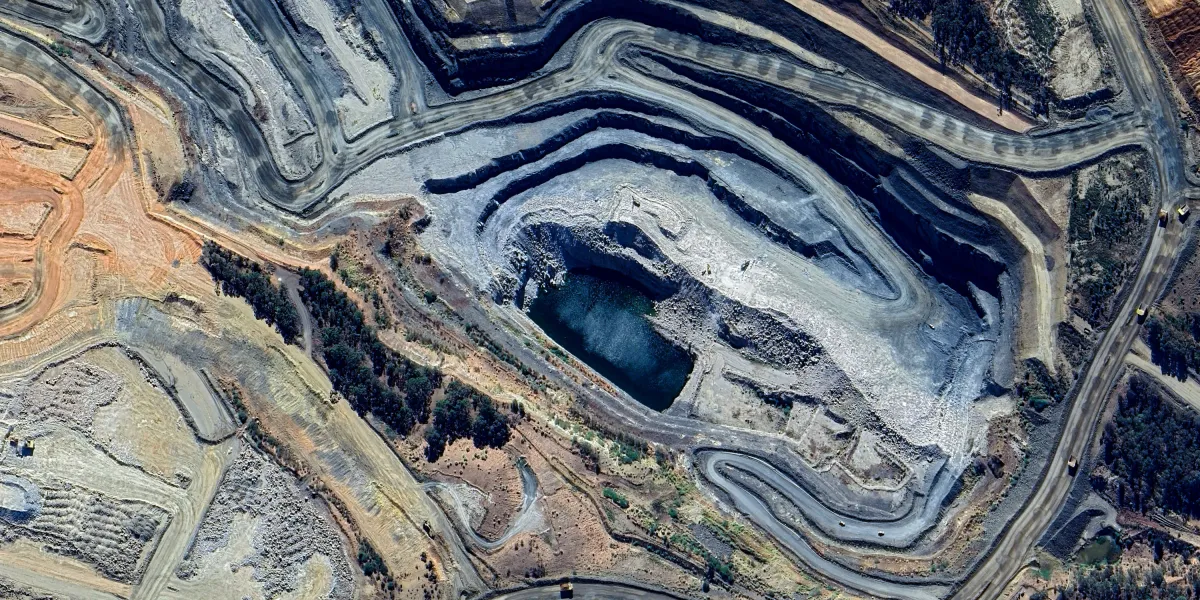
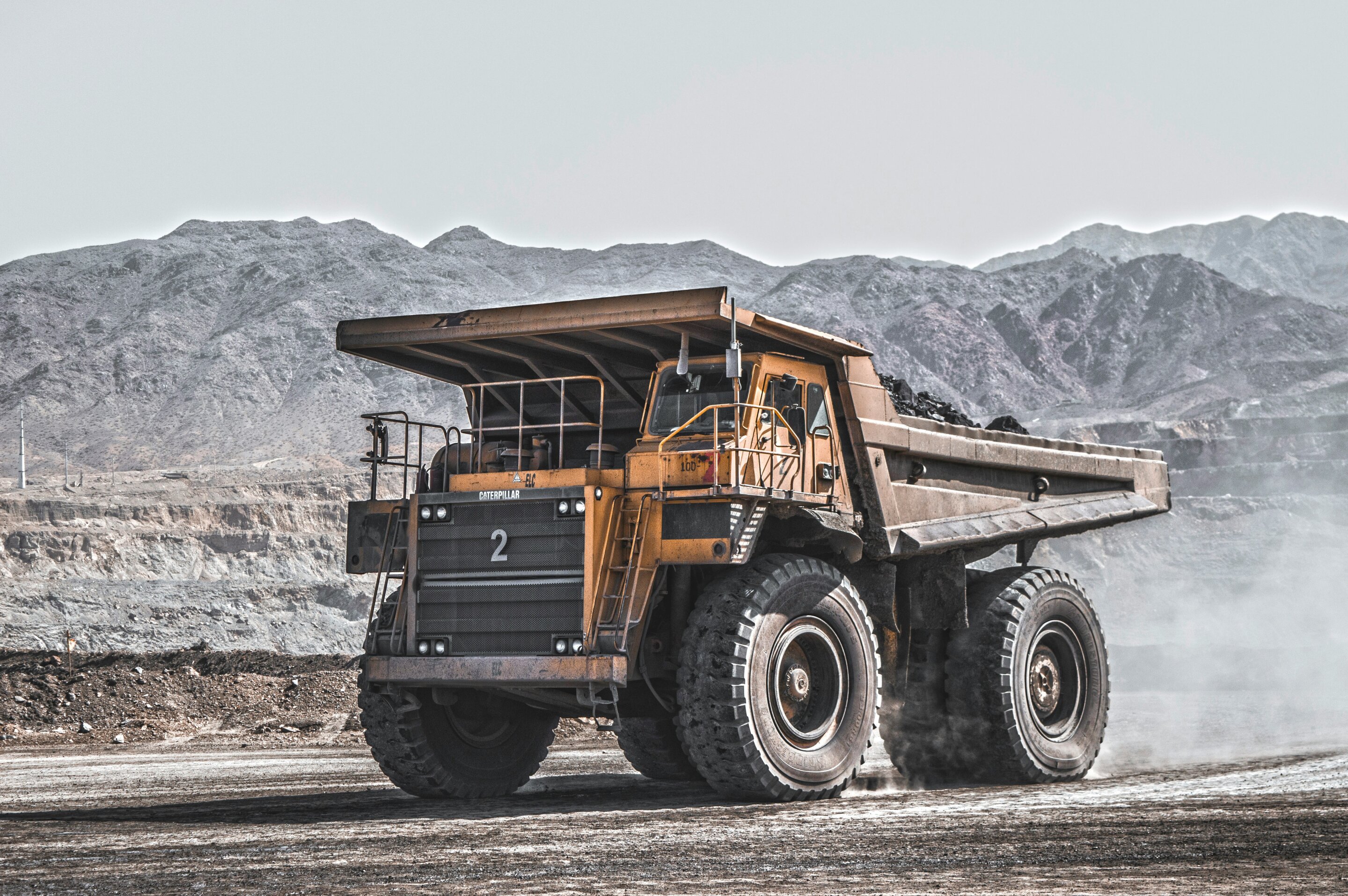
The lithium lore According to the MIT Climate Portal, lithium is retrieved either by evaporating brine pools or through hard rock mining. In the former, salty brine is pumped from underground deposits and left in pools to evaporate, leaving behind lithium and other elements. Hard rock mining “looks more traditional” and uses heavy machinery to dig up and crush spodumene. Both types of mining use a lot of water and have rather large carbon footprints.