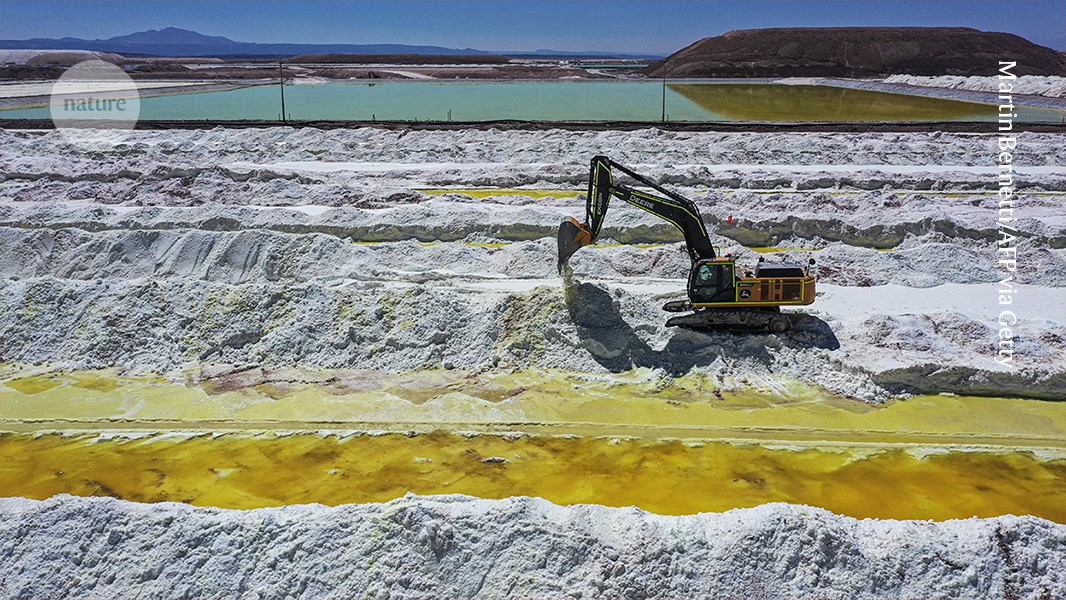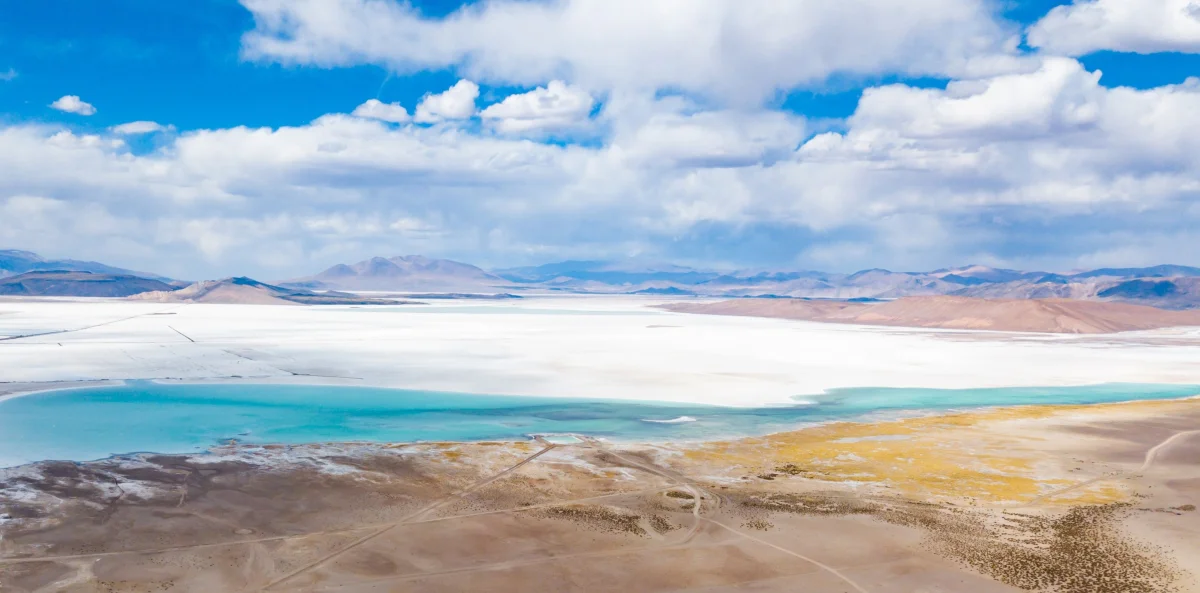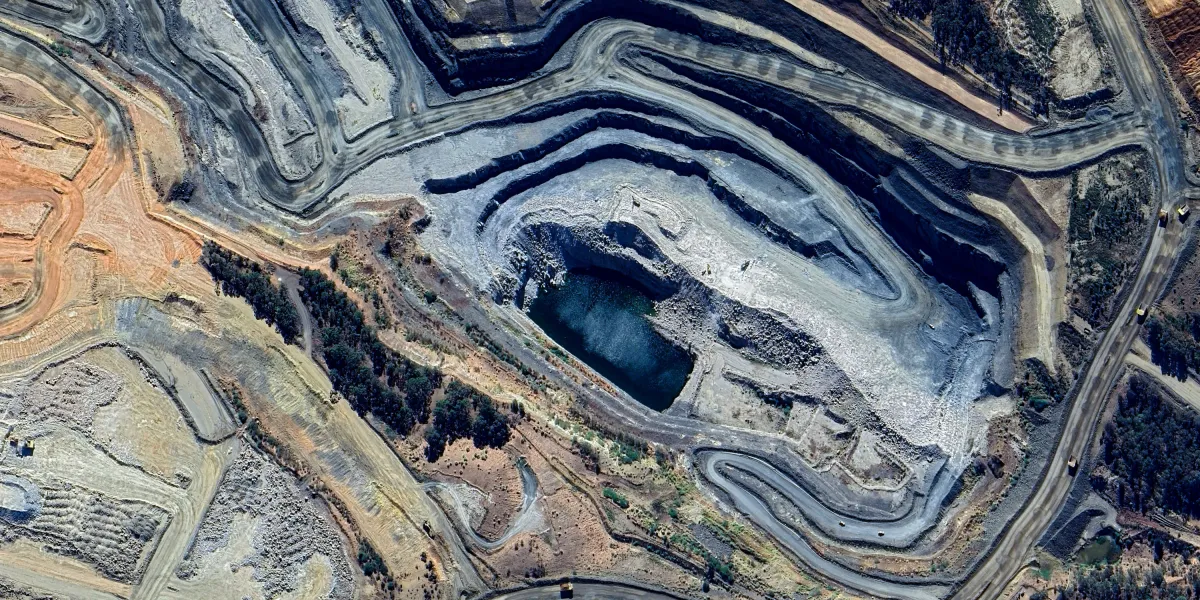
Demand for lithium is soaring as automakers ramp up electric vehicle production and energy companies build larger battery systems to support wind and solar power. But producing lithium remains a slow and environmentally costly process. Current extraction methods work best with high quality deposits found in only a limited number of regions, while also consuming huge amounts of land and water.
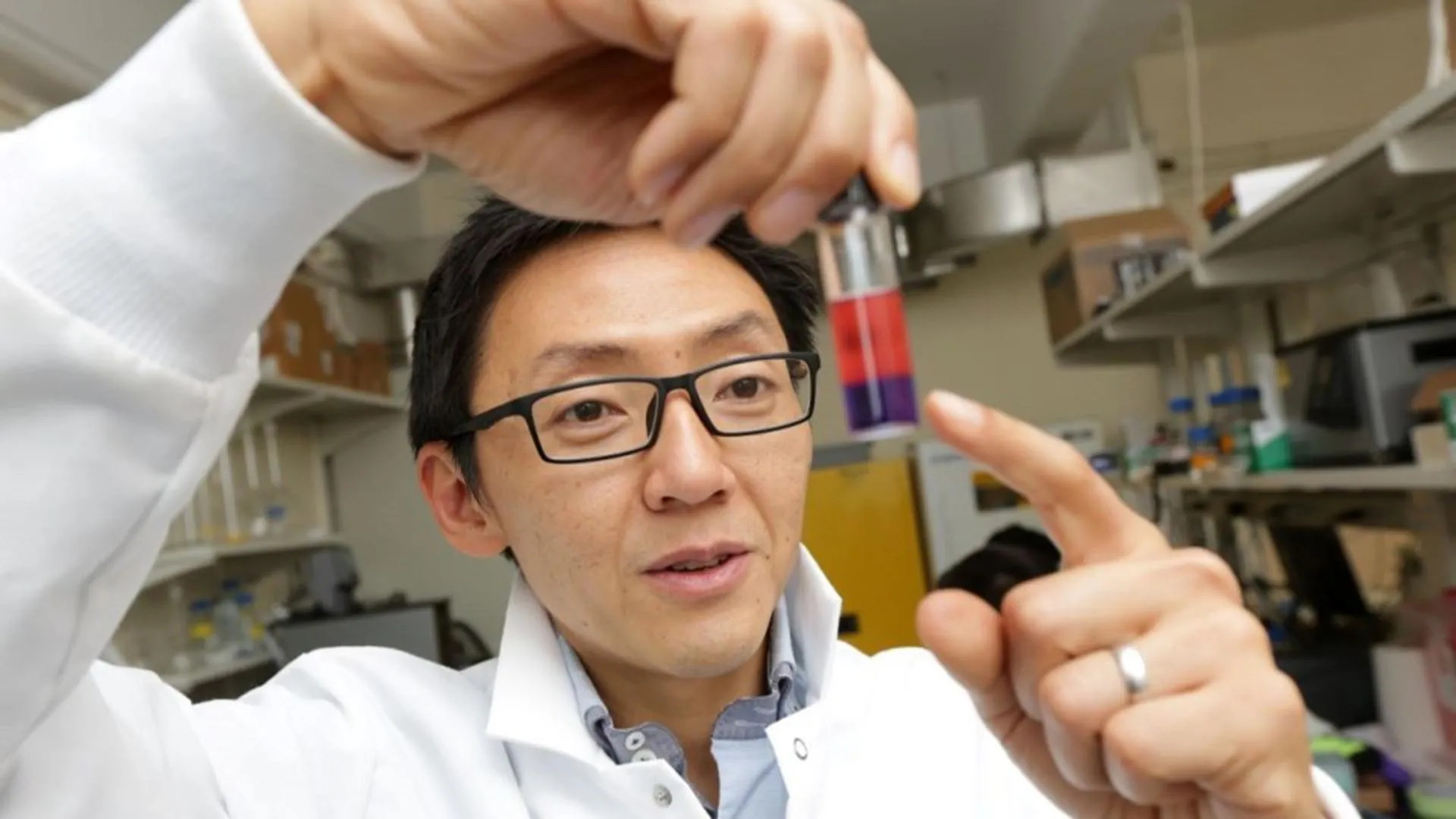
Now, researchers at Columbia Engineering have developed a new lithium extraction technique that could speed up production, reduce pollution, and tap reserves that existing technologies struggle to access.
Their findings, published in the journal Joule, describe a process called switchable solvent selective extraction, or S3E (pronounced S three E). The method uses a temperature responsive solvent to pull lithium directly from salty underground brines, even when lithium concentrations are low or mixed with other minerals that are difficult to separate.
New Lithium Extraction Method Shows Strong Selectivity
According to the research team, S3E demonstrated impressive selectivity during testing. The system extracted lithium at rates up to 10 times higher than sodium and 12 times higher than potassium. It also removed magnesium, one of the most common contaminants in lithium brines, through a chemical precipitation step that separates the unwanted material.