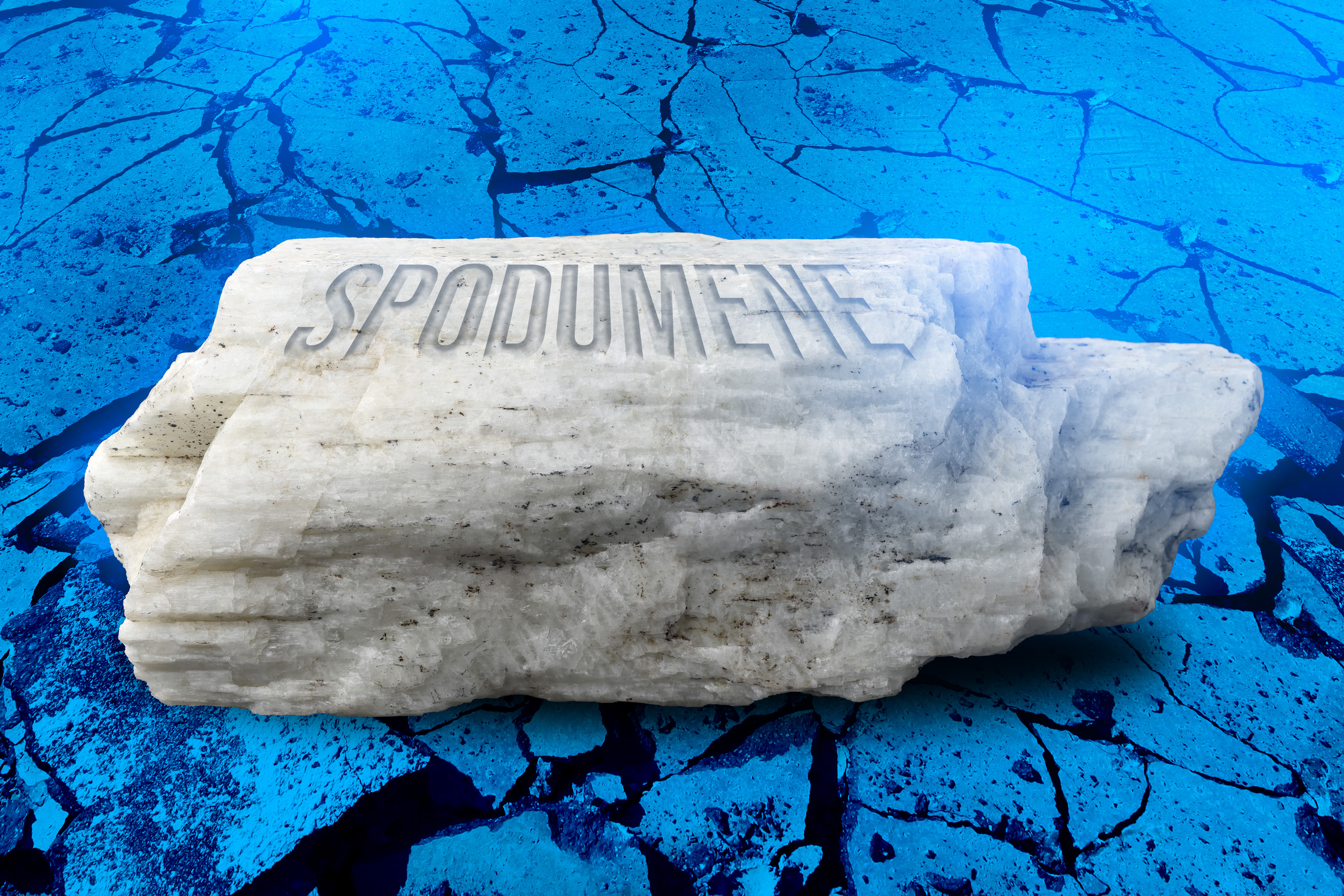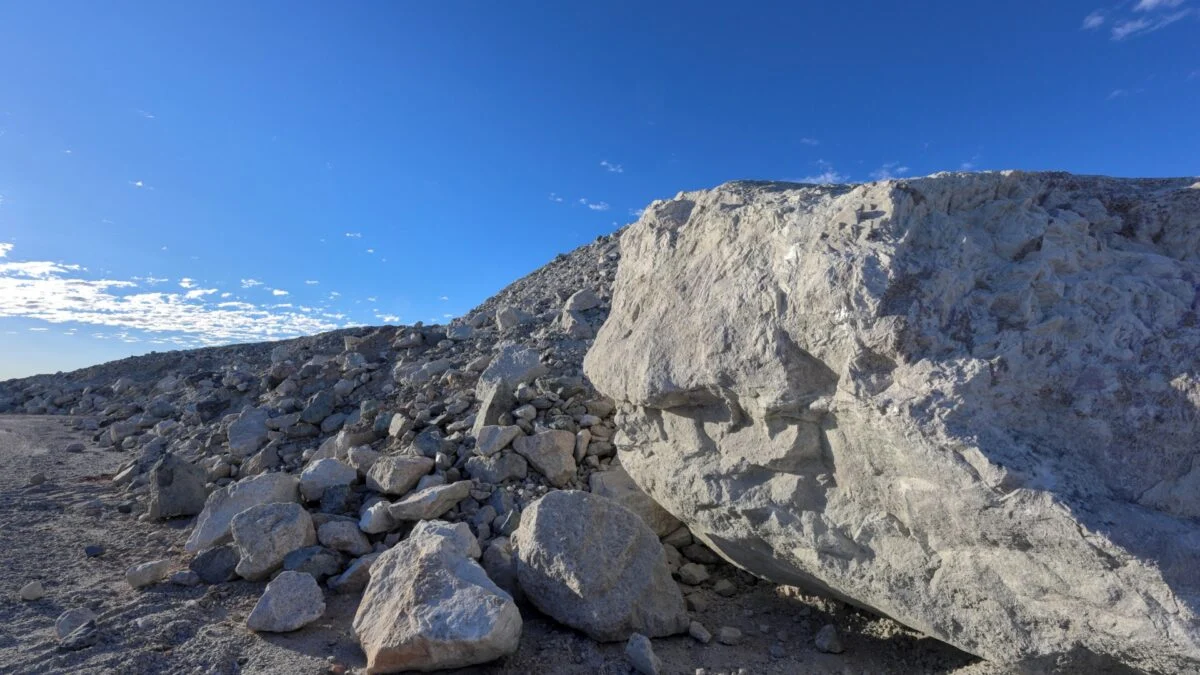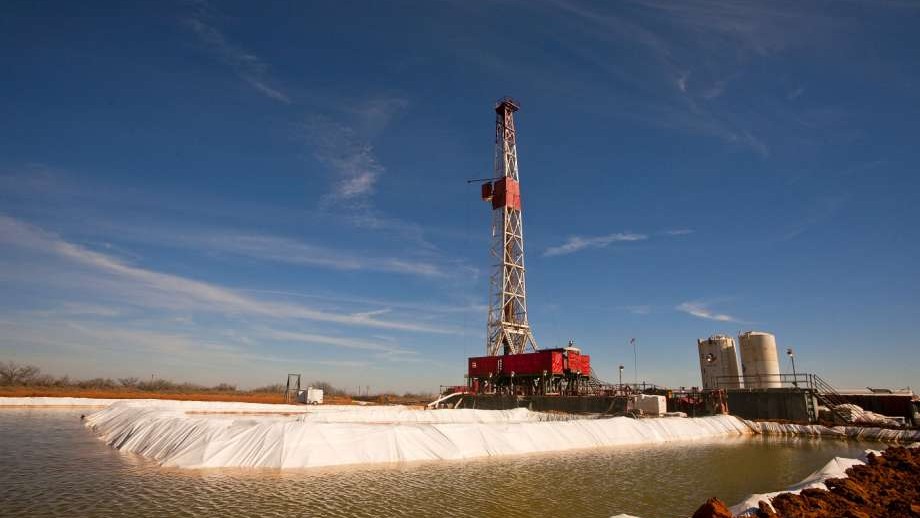
The U.S. may not have enough water to support its lithium ambitions, a new Northwestern University study has found. An essential ingredient for electric vehicle (EV) batteries and other clean energy technologies, lithium is largely mined in Australia and Chile and then processed and refined in China. In recent years, however, the U.S. has pushed to develop its own lithium industry to reduce reliance on foreign supply chains.
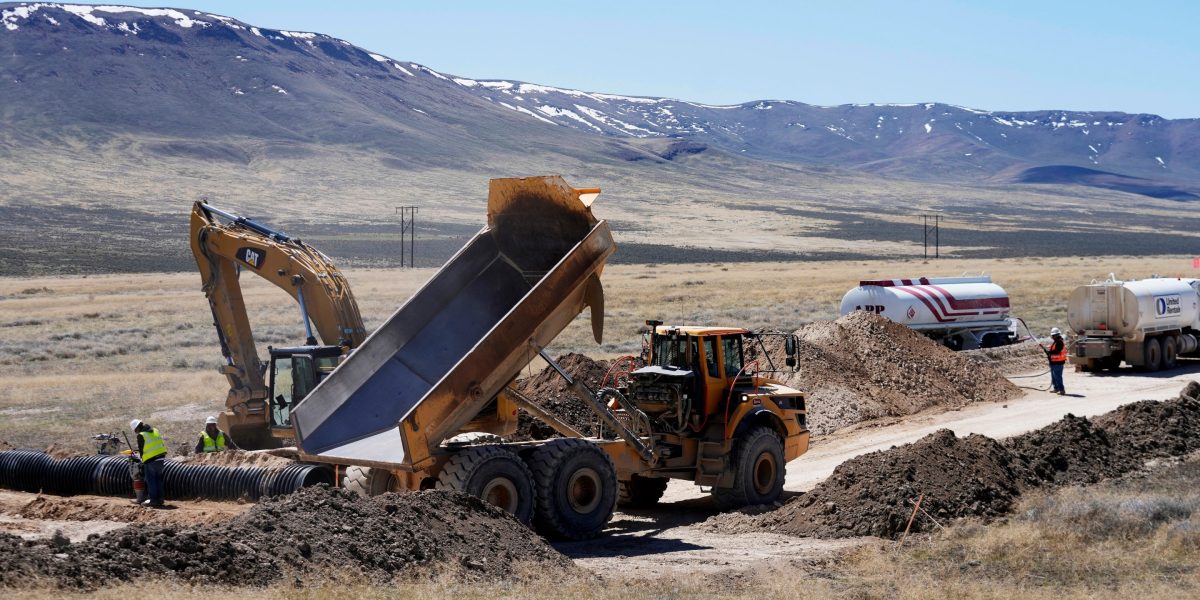
In the new study, researchers found that most proposed U.S. lithium mines—many located in already parched areas—could face significant water shortages. These shortages could worsen as climate change reshapes water availability and as competition for resources intensifies among farms, households, industry and power generators.
The study was published in Communications Earth & Environment.
"Even if all of the proposed mines become operational, the U.S. does not have enough lithium to meet national demand, regardless of all of the variables that we considered in our analysis," said Northwestern's Jennifer Dunn, who led the study. "We will likely still have to rely on foreign partners to supplement our lithium supply."
An expert on the environmental impacts of emerging technologies, Dunn is a professor of chemical and biological engineering at Northwestern's McCormick School of Engineering, director of the Center for Engineering Sustainability and Resilience and a member of the Paula M. Trienens Institute for Sustainability and Energy. Jenna Trost, a Northwestern Ph.D. candidate in Dunn's lab, is the paper's first author.