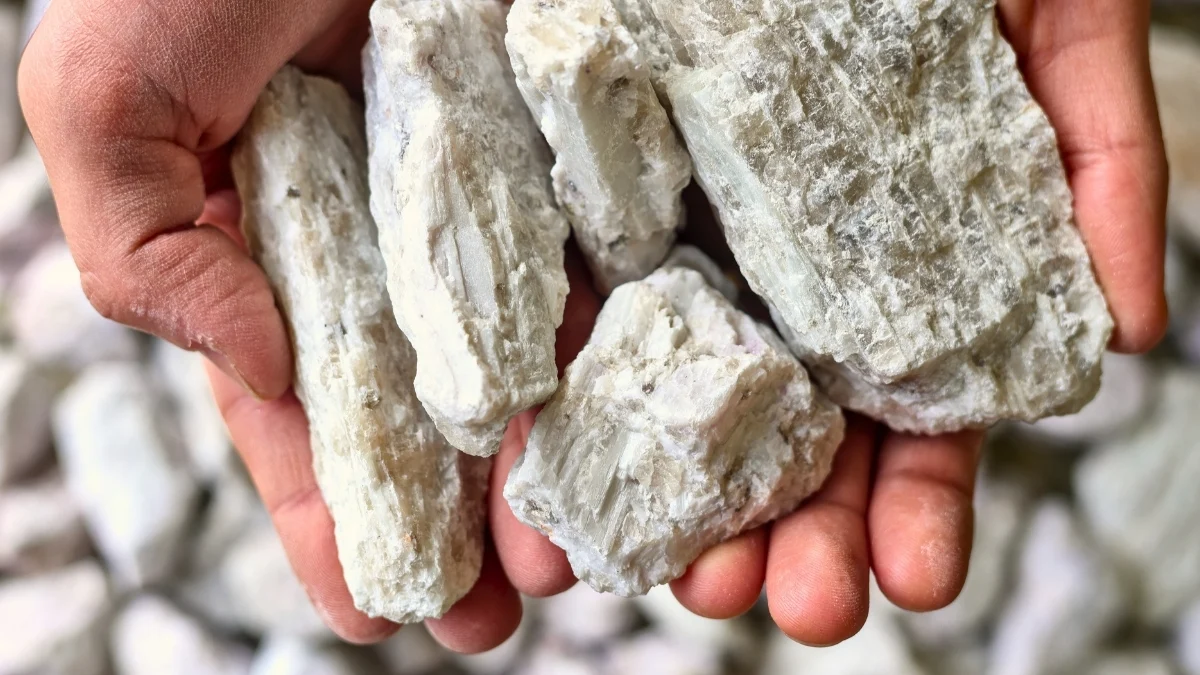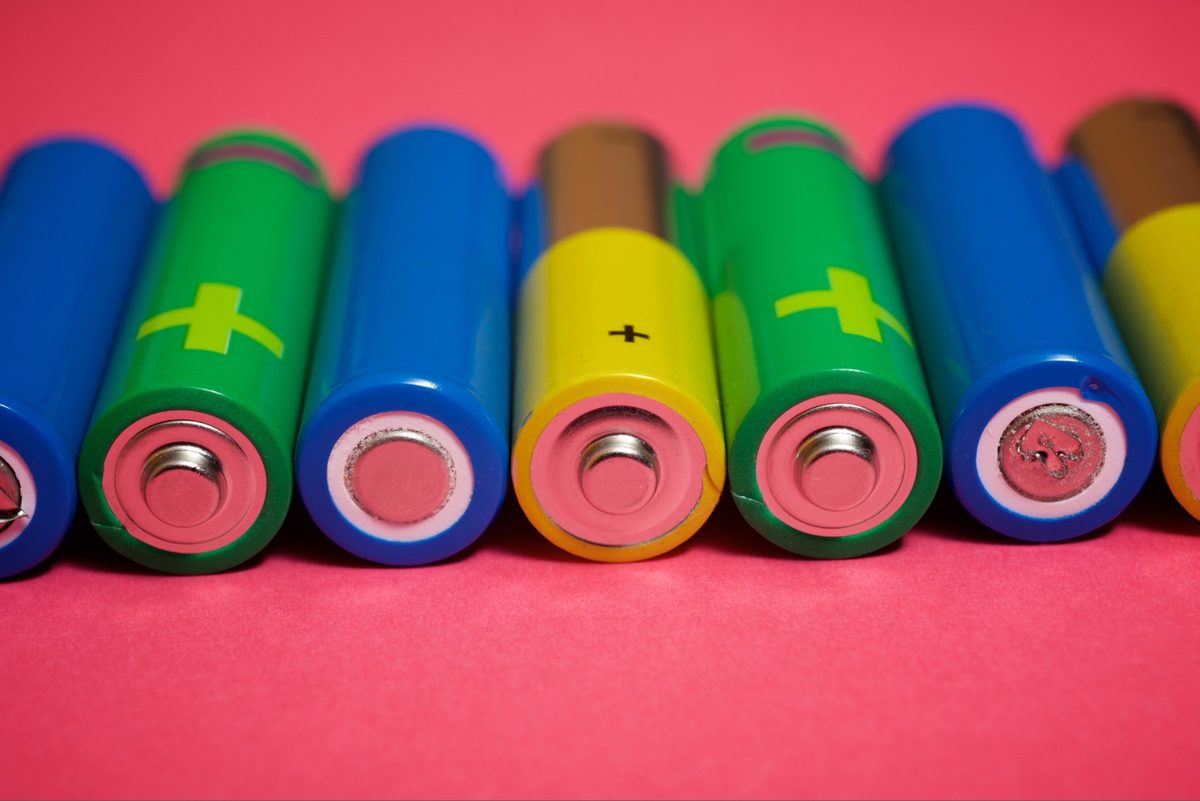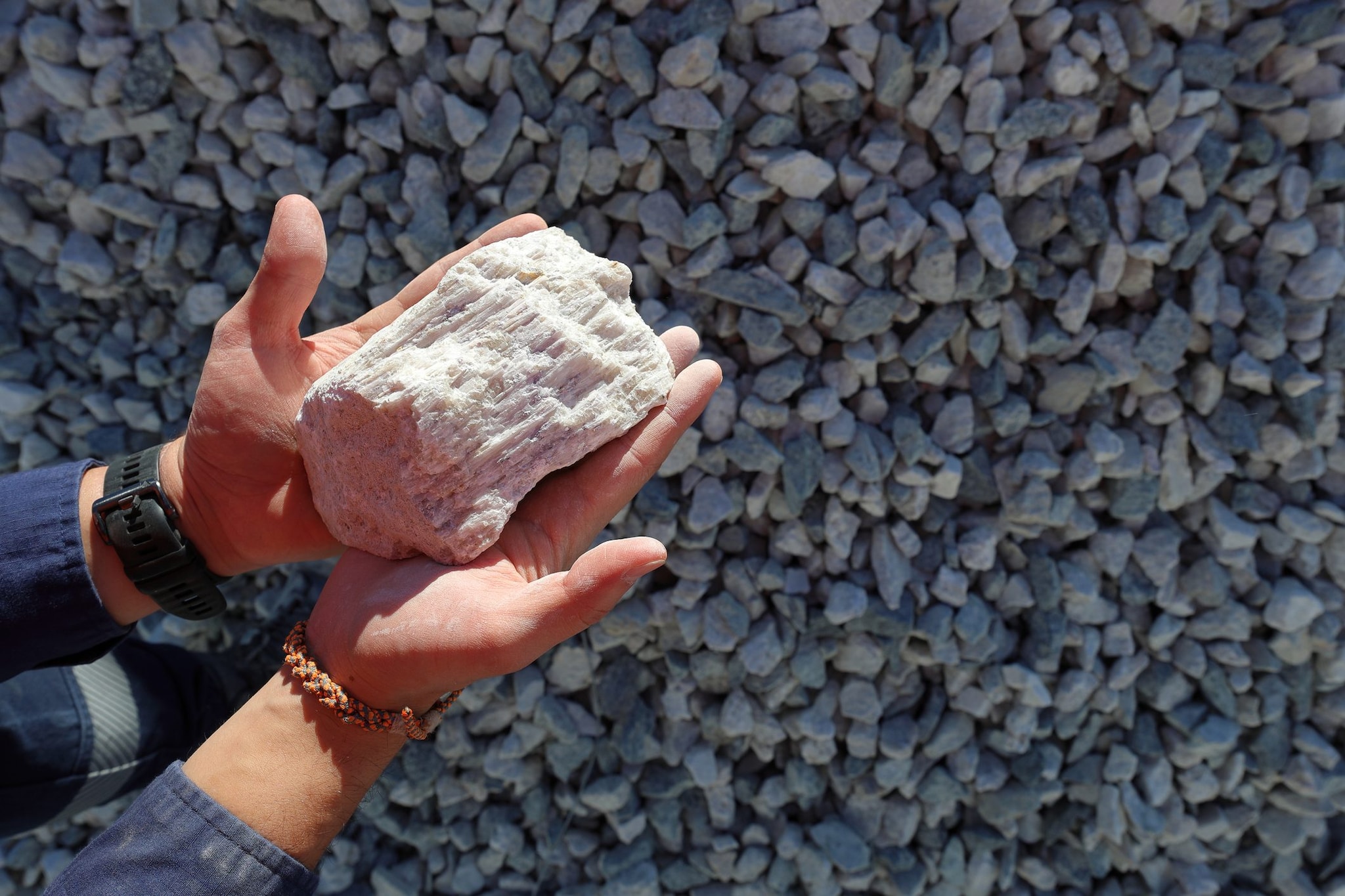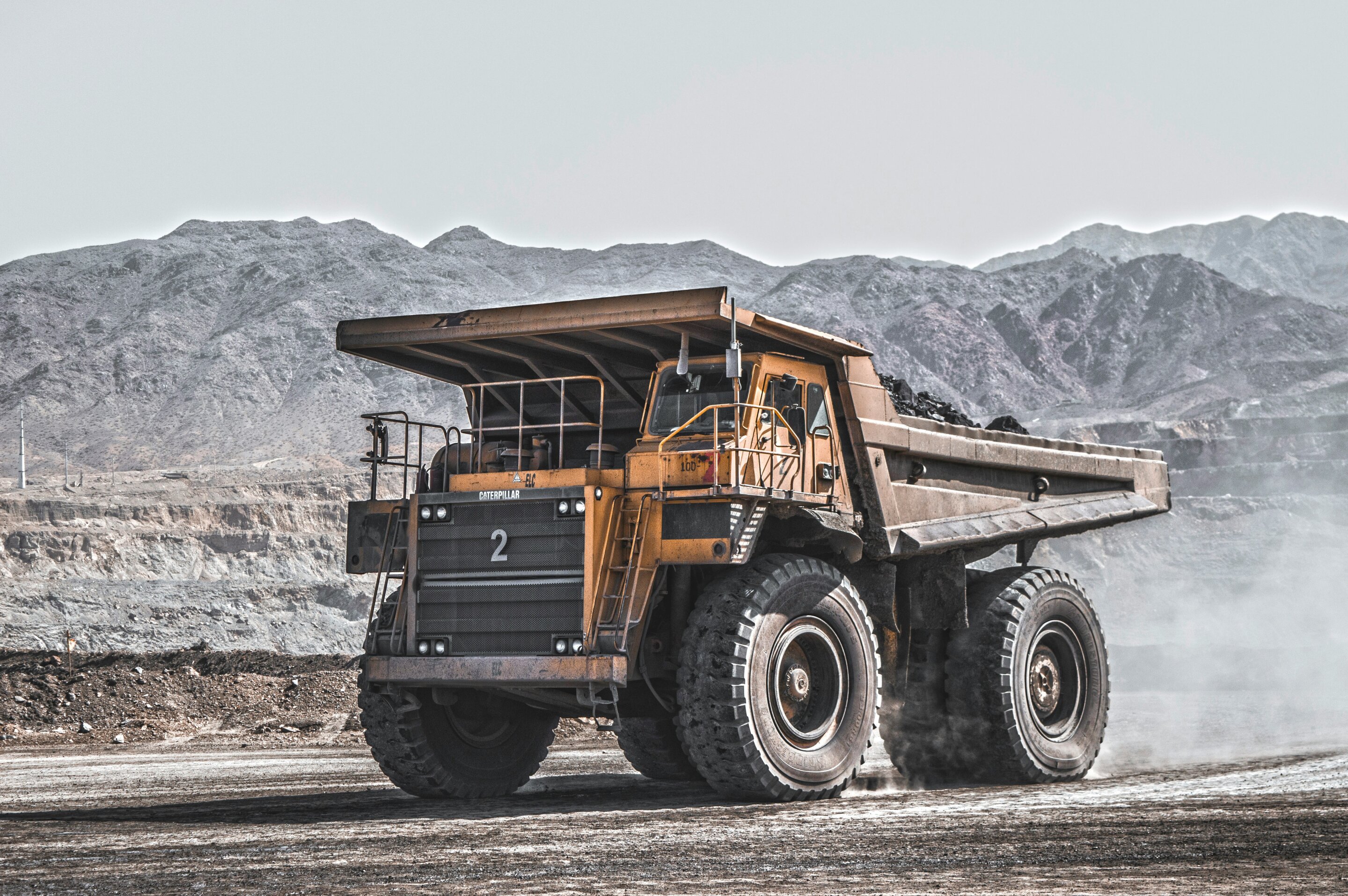
The United States Geological Survey has made a potentially game-changing discovery in the Appalachian region. New research suggests that the ancient mountain range may be home to over 300 years' worth of lithium resources, presenting a potentially critical opportunity for the United States to wean itself off of international lithium deposits and build up domestic lithium markets.Sometimes referred to as 'white gold', lithium has become increasingly ubiquitous and indispensable in global technological and clean energy supply chains. Lithium-ion batteries power an overwhelming majority of rechargeable devices, and are critical in the electric vehicles and energy storage markets, among myriad other applications. As such, global demand for lithium has soared in recent years. While markets have been volatile as production has surged, projections for future lithium consumption have only continued to grow at a breakneck pace – the International Energy agency predicts that lithium demand will balloon over 40-fold by 2040.Recognizing a major opportunity to shore up its own energy independence and gain geopolitical leverage, China has spent the last decade steadily cornering the international market on lithium production and processing. Today, Beijing controls an estimated 72 percent of the global lithium-ion battery market, and Chinese companies control a quarter of the world's lithium mining capacity. Even more striking, in 2024, more than 80 percent of the world's battery cells were made in China, raising major questions and concerns about vulnerability in global tech and energy supply chains. And the current energy crisis emanating out of the Strait of Hormuz is only strengthening China's position in global markets.With all this in mind, the timing could not be better for the United States to make a massive lithium discovery under its own soil. The U.S. Geological Survey study, published last month in the scientific journal Springer Nature, found that Appalachia may be home to 2.3 million metric tons (2.5 million US tons) of recoverable lithium oxide in a special kind of rock called pegmatites, which are formed when magma cools and crystalizes deep underground.“This research shows that the Appalachians contain enough lithium to help meet the nation’s growing needs—a major contribution to U.S. mineral security, at a time when global lithium demand is rising rapidly,” U.S. Geological Survey Director Ned Mamula said in a press release. “The United States was the dominant world producer of lithium three decades ago, and this research highlights the abundant potential to reclaim our mineral independence,” Mamula went on to say.The research team ran extensive models to determine exactly how much of those lithium deposits could be economically viable to extract, and where. They found that the most promising regions for extraction are in Maine, New Hampshire, and parts of Vermont, where 900,000 metric tons of lithium oxide could be extracted at a feasible cost. The Southern Appalachian region, and especially North and South Carolina, could potentially furnish another 1.43 million metric tons. “For perspective, this could furnish every person in the world with 60 smartphones,” ScienceAlert reports.However, it may be a long time before that lithium actually makes its way into the hands of tech manufacturers. “Regulatory and financial hurdles still stand in the way, and developing a lithium project can take a decade or more,” reports Gizmodo. Plus, these projects can expect a lot of backlash from the communities and the defenders of the fragile ecosystems where they want to set up shop. Lithium extraction is notoriously environmentally unfriendly and water-intensive, and can cause major health issues for local communities if waterways are compromised by the toxic forever chemicals involved in the mining process.By Haley Zaremba for Oilprice.comMore Top Reads From Oilprice.comGermany Launches Formal Sale Process for UniperIran’s Floating Oil Stockpile Jumps 65% as U.S. Naval Blockade BitesJODI: Saudi Arabia Crude Exports Sink To Record Lows
Appalachian Region Could Hold Key to U.S. Battery Supply Chain Independence | OilPrice.com
The USGS has identified over 2.3 million metric tons of recoverable lithium in the Appalachian region, enough to cover more than 300 years of U.S. demand.
621 words~3 min read