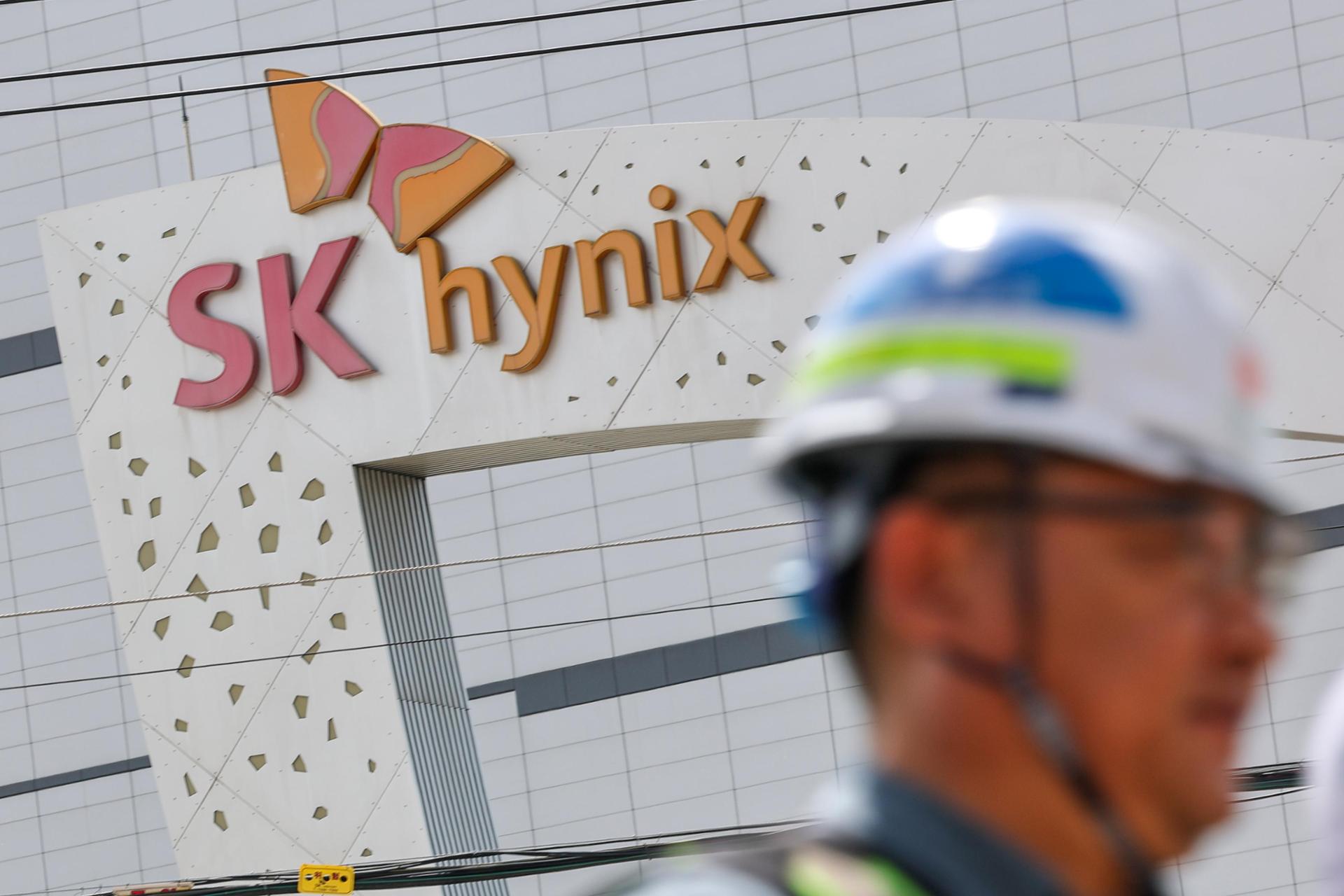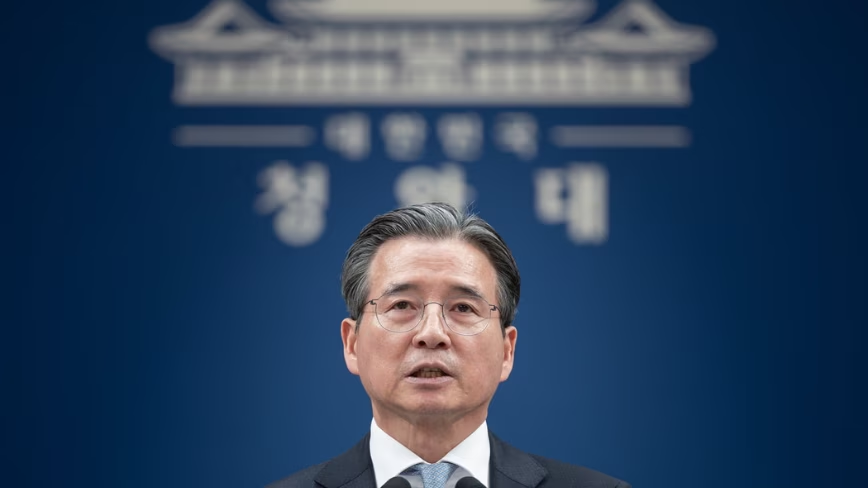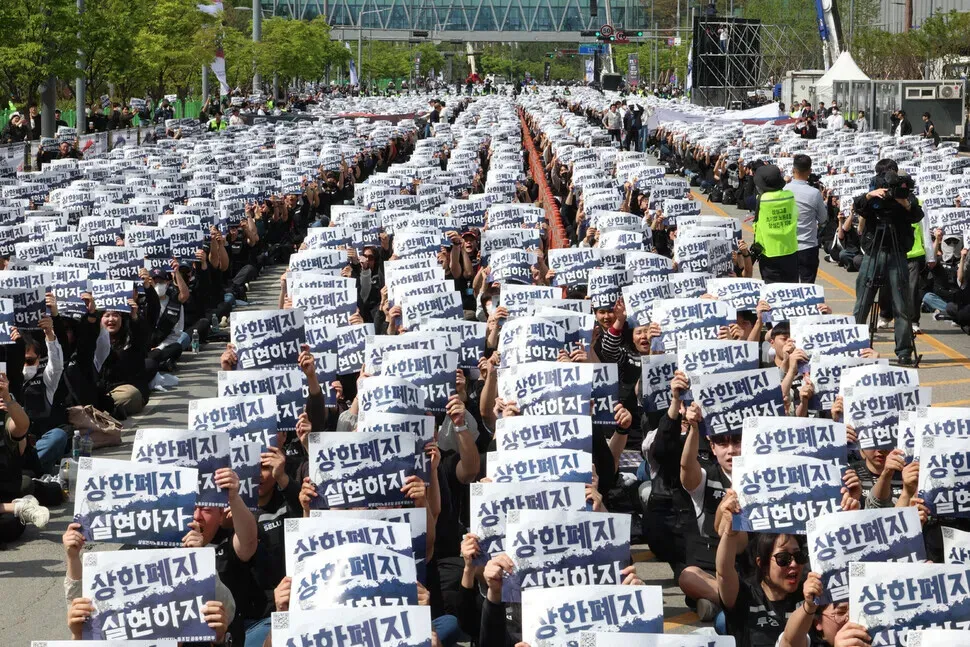
Chipmakers’ “excess profit” becomes hot potato as calls grow for broader distribution South Korea's Deputy Prime Minister and Minister of Economy and Finance Koo Yun-cheol (Yonhap) South Korea is facing a growing debate over how to use an unprecedented windfall from the semiconductor boom, as surging chip profits feed into tax revenue, employee bonuses and broader calls for redistribution.The immediate focus is on how the government should handle the expected tax increase — whether to use it for fiscal spending, save it as a buffer or invest it for future generations. At the same time, it is also opening the door to a broader question over how the benefits of the chip super cycle should be shared across society.Finance Minister Koo Yun-cheol said the government plans to channel a significant portion of future excess tax revenue into a “sovereign wealth fund,” using the proceeds to build long-term investment resources for future generations.“When the economy is strong, and excess tax revenue emerges again, we will put part of it into the sovereign wealth fund,” Koo said in a local YouTube interview Saturday. “We will invest it, generate returns and create a virtuous cycle that expands national wealth.”National tax revenue, which stayed in the 340 trillion won to 370 trillion won ($225.6 billion to $245.5 billion) range from 2023 to 2026, is projected to reach at least 415 trillion this year under the supplementary budget, according to government officials.Some forecasts put the figure as high as 500 trillion won, as Samsung Electronics and SK hynix posted stronger-than-expected first-quarter operating profits of 57.2 trillion won and 37.6 trillion won, respectively. The earnings boom is expected to lift corporate tax revenue, while large employee bonuses and a buoyant stock market are also set to boost earned income tax and securities transaction tax receipts.Saving, spending or sharing?Koo said the sovereign wealth fund is expected to also draw on assets such as shares the government receives in place of tax payments. Simply selling such shares could weigh more market prices, he said, adding that the government is considering placing them in the fund and raising their value before putting them to use."When tax revenue increases, it is important to distribute and spend it, but we are preparing legislation so part of it can be reinvested in future growth through R&D and part can be placed in a fund and grown into future assets," Koo said."The government will not interfere in the fund's operation," he said, adding that it would hire top professionals for the work.As a possible reference for Korea's use of chip-driven excess tax revenue, Norway's sovereign wealth fund, the Government Pension Fund Global, is gaining renewed attention in Seoul after presidential chief of staff for policy Kim Yong-beom pointed to it as a model.Built with proceeds from oil and gas sales, the fund has grown into the world's largest sovereign wealth fund, with its assets increasing nearly 10,000-fold since it began investing in 1996.Others say the excess tax revenue should be used to reduce the national debt and secure fiscal room. Under the current National Finance Act, surplus funds generated from excess tax revenue must first be used to settle local government and education grants before being directed toward public fund repayments and government bond redemptions.Attention is also turning to the idea of returning part of the windfall to the public through a "citizen dividend," an idea floated by Kim."Parts of the gains should be structurally returned to the public," Kim said in a Facebook post earlier this month.Chip profits for broader society?The excess tax revenue debate is now spilling into a more contentious question: Should chipmakers’ supercycle profits be shared more broadly beyond the companies themselves?Labor Minister Kim Young-hoon last week described semiconductors as a “public good” in the AI era and called for talks on a Korean-style social solidarity wage system.“Samsung Electronics’ success today is built not only on labor and management, but also on support from the state, local communities and society,” Kim said Wednesday, adding that any redistribution should be discussed through social dialogue.The remarks drew immediate backlash from the conservative main opposition People Power Party, which criticized the idea as government intervention in a private company’s profit distribution.Industry Minister Kim Jung-kwan also pushed back, saying chip profits should be reinvested into future growth. Cheong Wa Dae, however, left the door open to discussion, saying Kim’s remarks raised issues that warrant broader public debate.The idea is not new. In 2011, former Prime Minister Chung Un-chan proposed an “excess profit-sharing” scheme under which large companies would share part of the profits earned above their annual targets with suppliers.Facing strong resistance from business groups and within the government, the idea was later softened into a “cooperative profit-sharing” model and absorbed into voluntary corporate agreements backed by government incentives, rather than a legally mandated system.
Chip boom sparks debate over tax windfall, profit sharing
South Korea is facing a growing debate over how to use an unprecedented windfall from the semiconductor boom, as surging chip profits feed into tax revenue, emp
803 words~4 min read