South Korea’s semiconductor industry is printing so much tax revenue that the government now has a genuinely enviable problem: figuring out what to do with all the money.
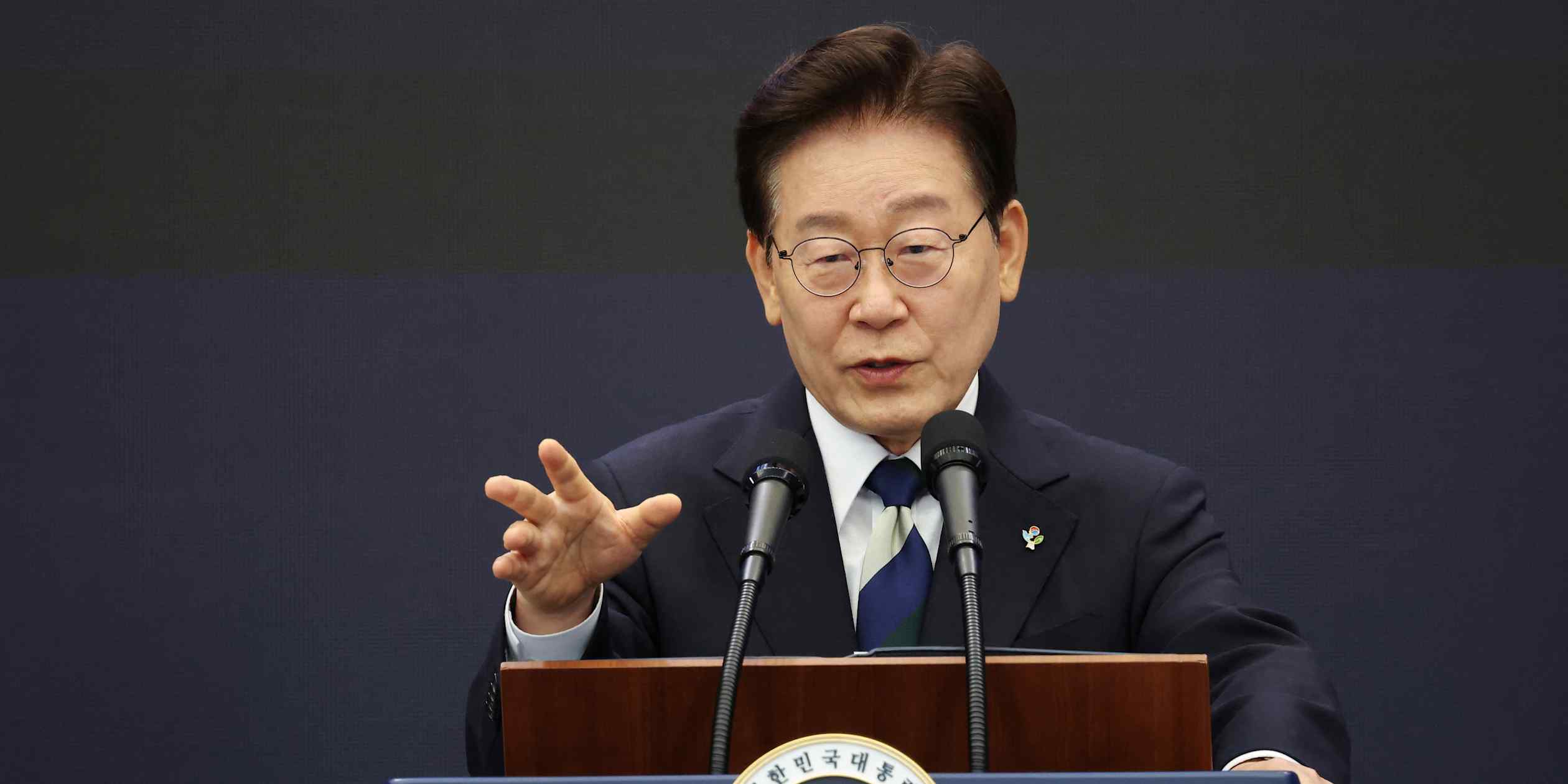
President Lee Jae-myung has been leading discussions about deploying surplus tax revenue from the chip sector into a “Future Response Fund” targeting strategic industries like AI, semiconductors, and energy transition. The alternative? Funneling the cash into a sovereign wealth fund slated to launch in the second half of 2026. Either way, the estimated surplus for 2026 sits between 50 trillion won and 70 trillion won, roughly $34 billion to $46 billion, blowing past prior government forecasts.
The chip boom backing the fund
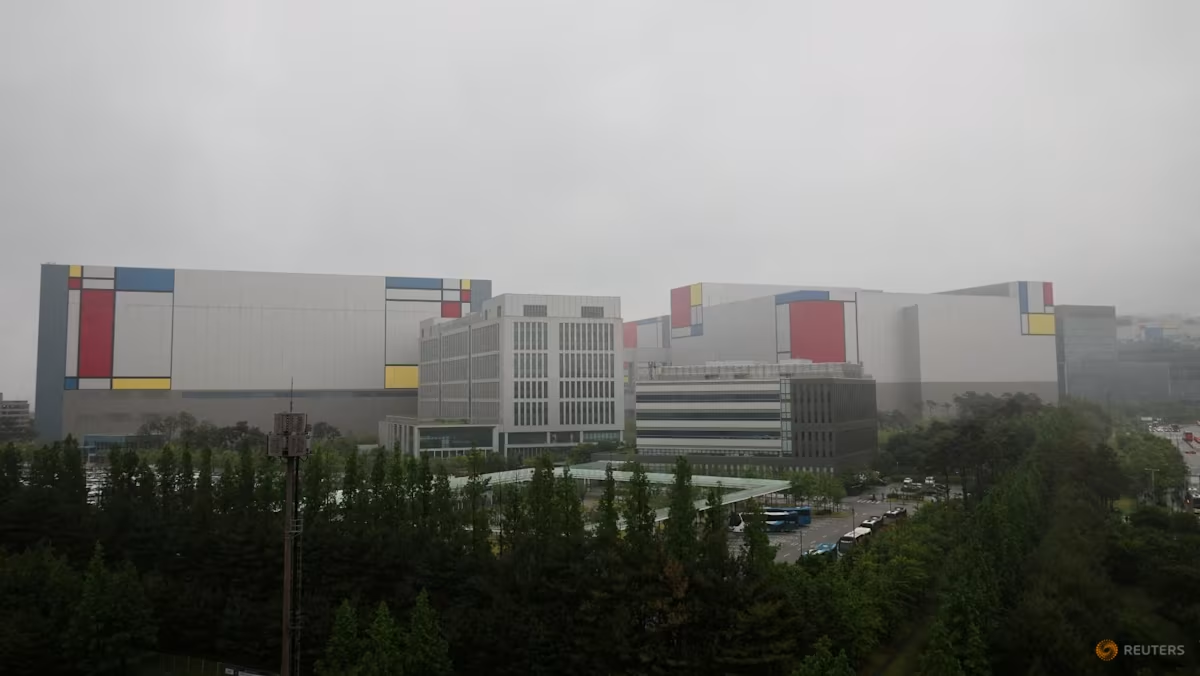
The revenue windfall traces directly to surging global demand for AI-driven memory chips. South Korea’s two semiconductor titans, Samsung Electronics and SK Hynix, are the primary beneficiaries of that demand wave, and their corporate tax contributions have ballooned accordingly.
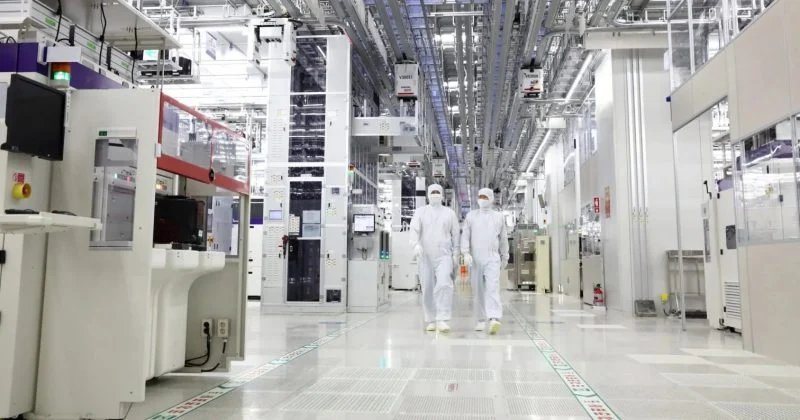
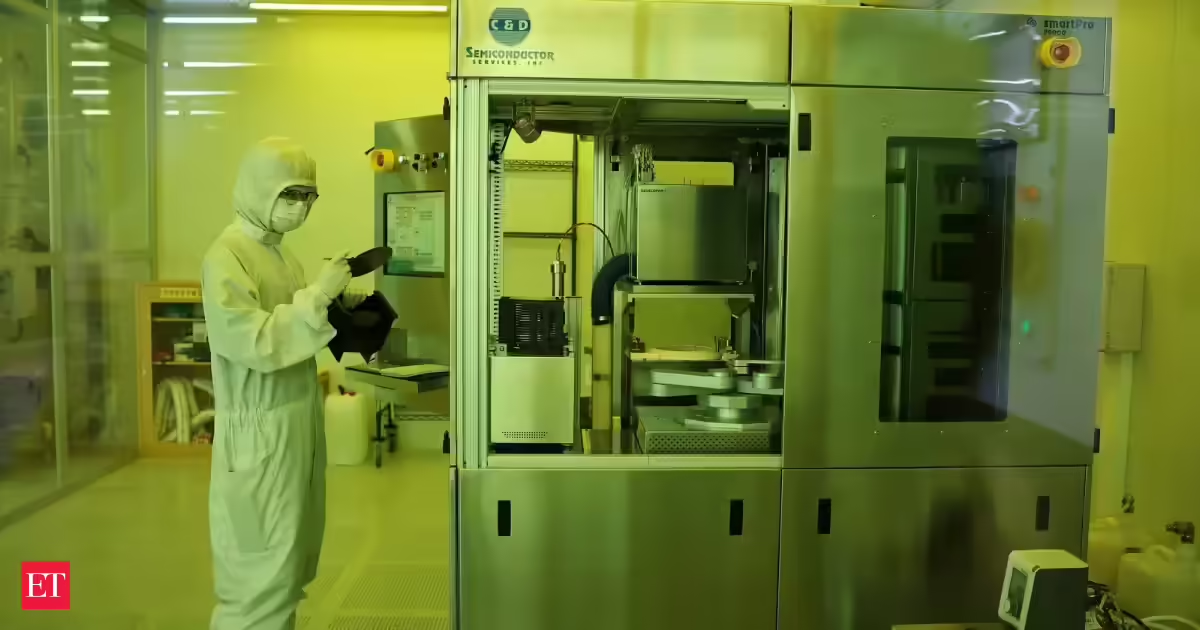
On June 29, 2026, Samsung and SK Hynix announced a combined public-private investment commitment of approximately 800 trillion won, around $520 billion, dedicated to building new fabrication plants and expanding high-bandwidth memory capacity.