South Korea just decided to do something unusual with a tax windfall: save it. The country’s government announced plans on July 5 to create a “Future Response Fund” that would funnel excess tax revenues from its booming semiconductor industry into long-term investments rather than burning through them on immediate spending.
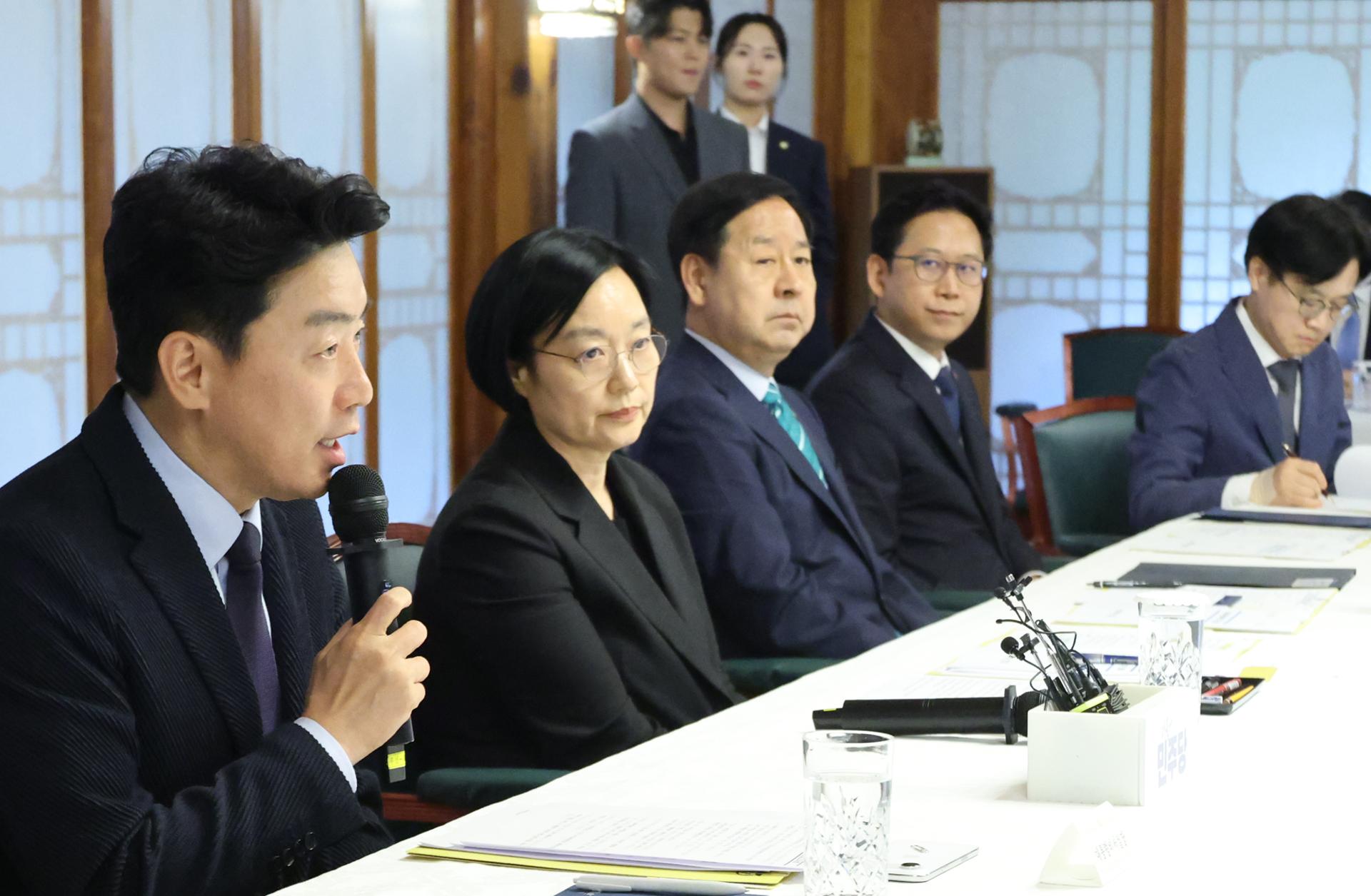
Presidential Chief of Staff Kang Hoon-sik unveiled the initiative during a meeting with the ruling Democratic Party, led by President Lee Jae Myung. The logic is straightforward. Global AI demand has turned South Korea’s chip sector into a cash machine, and Seoul wants to make sure the proceeds outlast the cycle.
From chip profits to national strategy
The fund is the latest piece of what’s becoming an aggressively ambitious industrial policy. Just days earlier, on June 29, the Lee administration launched its “Three Mega Projects,” a sprawling initiative targeting semiconductor hubs, AI data centers, and physical AI development. The combined investment target for those projects exceeds $880 billion.
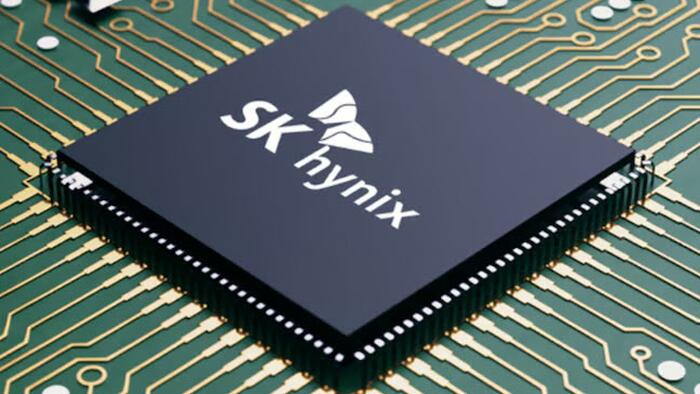
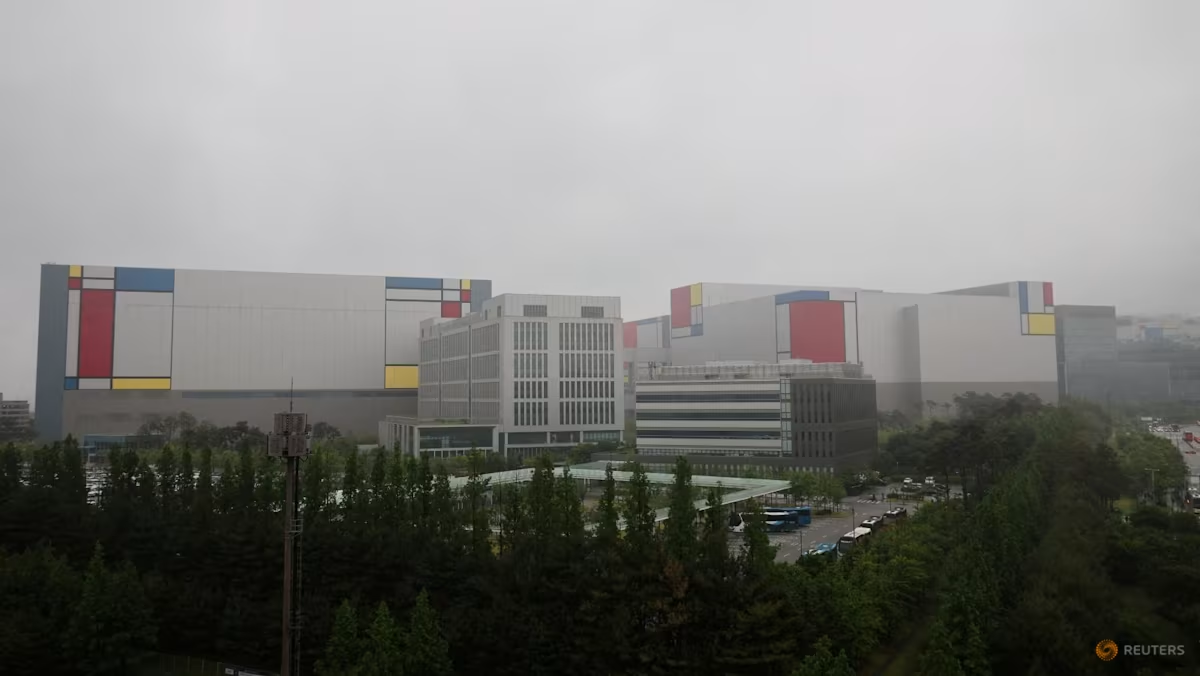
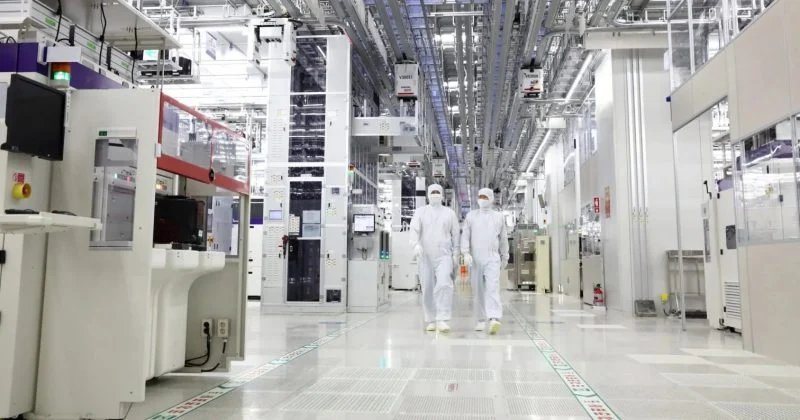
Samsung Electronics and SK Hynix are the anchor tenants of this expansion, which makes sense given they collectively dominate global memory chip production.