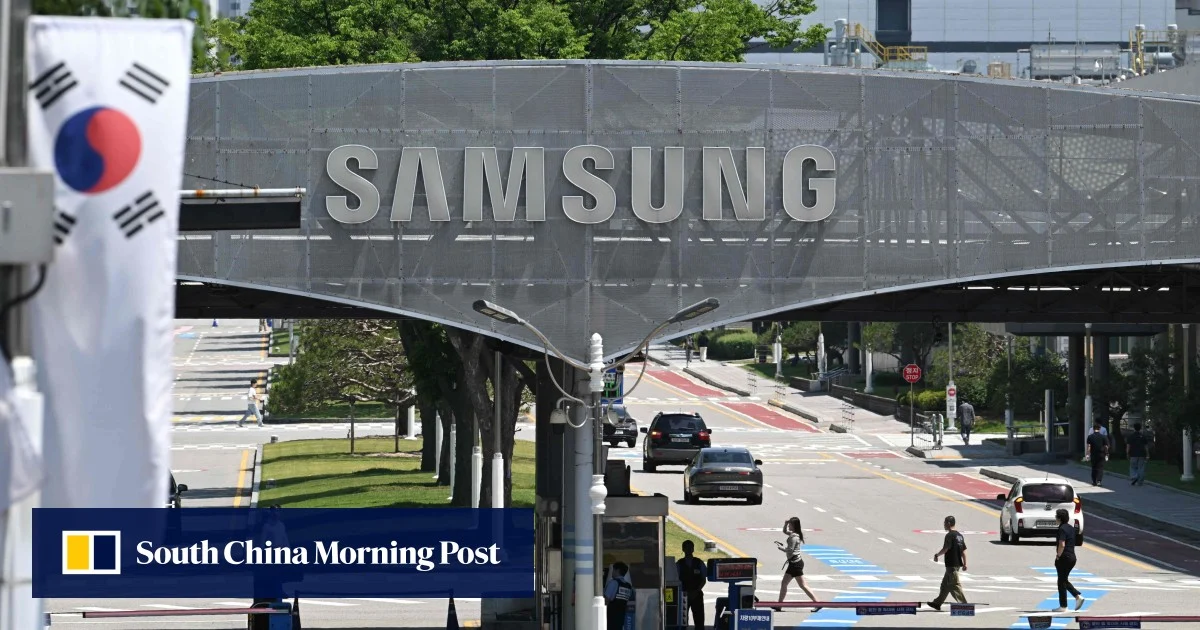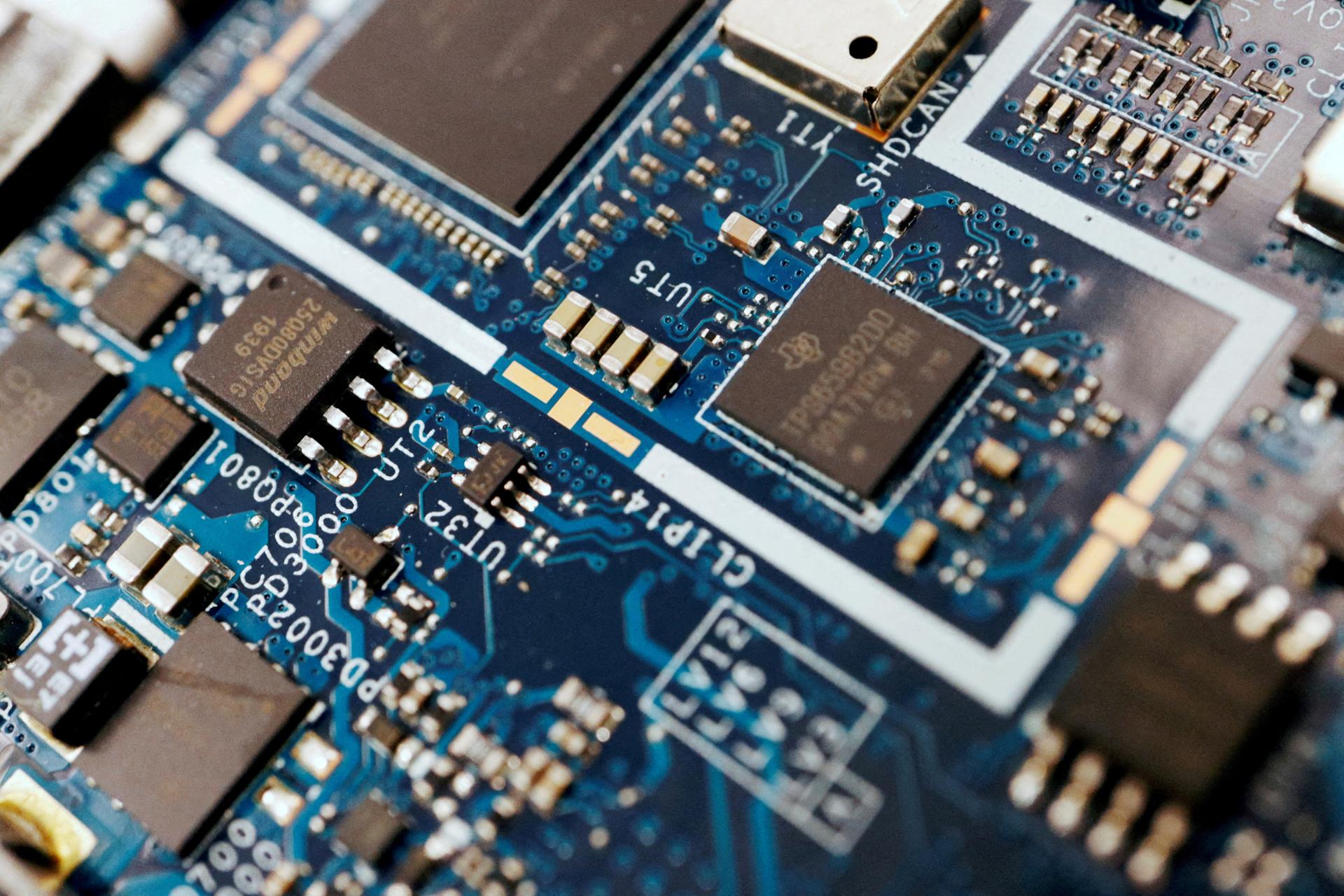
A semiconductor boom is a fine problem for a country to have, until you start asking where the money goes. That is roughly the question South Korea’s top economic policymaker put to the public this week.
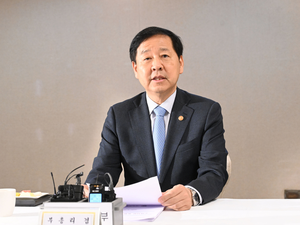
Kim Yong-beom, who heads policy planning in the presidential office, warned that the windfall from the AI-driven chip surge could end up not in wages or productive investment but in the one place Korean money has reliably flowed before, which is real estate.
His concern rests on a striking number. Korea is on course for double-digit nominal growth for the first time in more than two decades, a pace driven almost entirely by the soaring profits of its chipmakers rather than by any broad recovery across the economy.
That makes the boom narrow, and narrow booms have a way of concentrating their rewards. The risk Kim named is that excess liquidity, as it has in past cycles, finds its way into property and stays there.
He was blunt about the stakes. “If the national wealth earned by semiconductors is absorbed into unearned real estate income and the fruits of growth are concentrated among only a few, this boom will not last long,” he said.