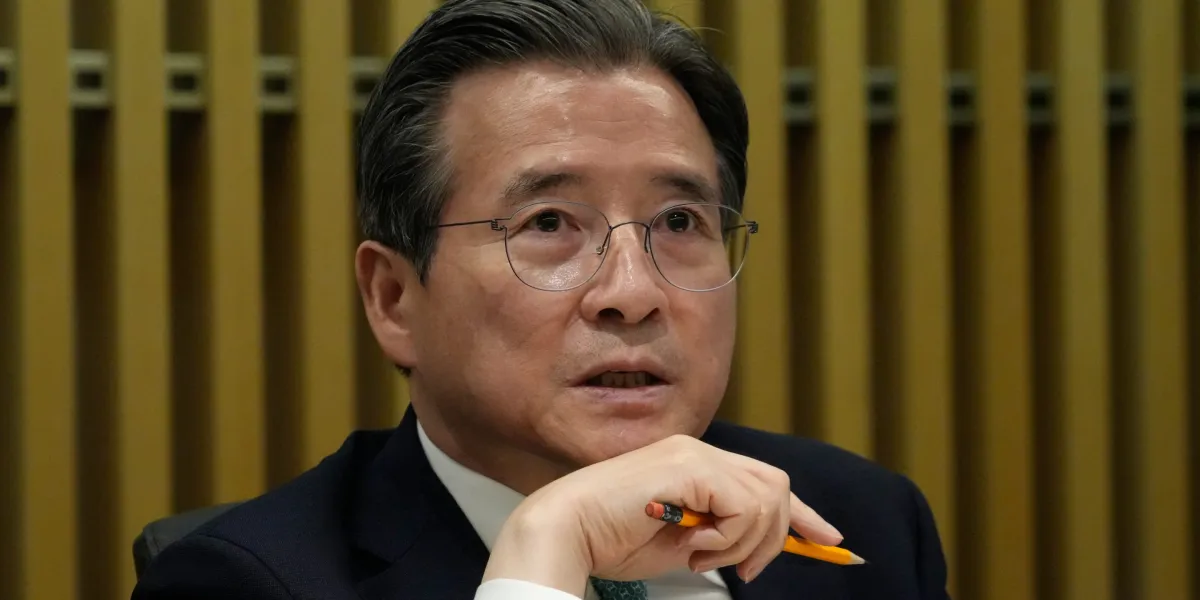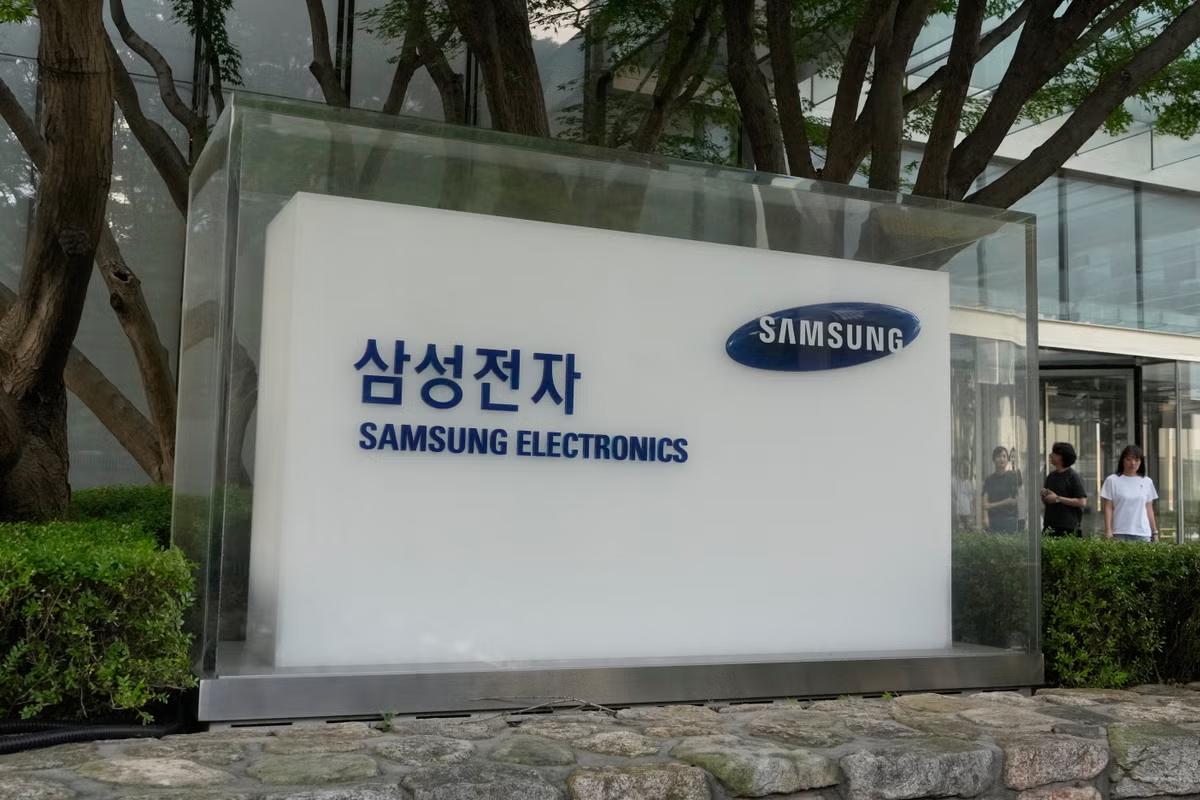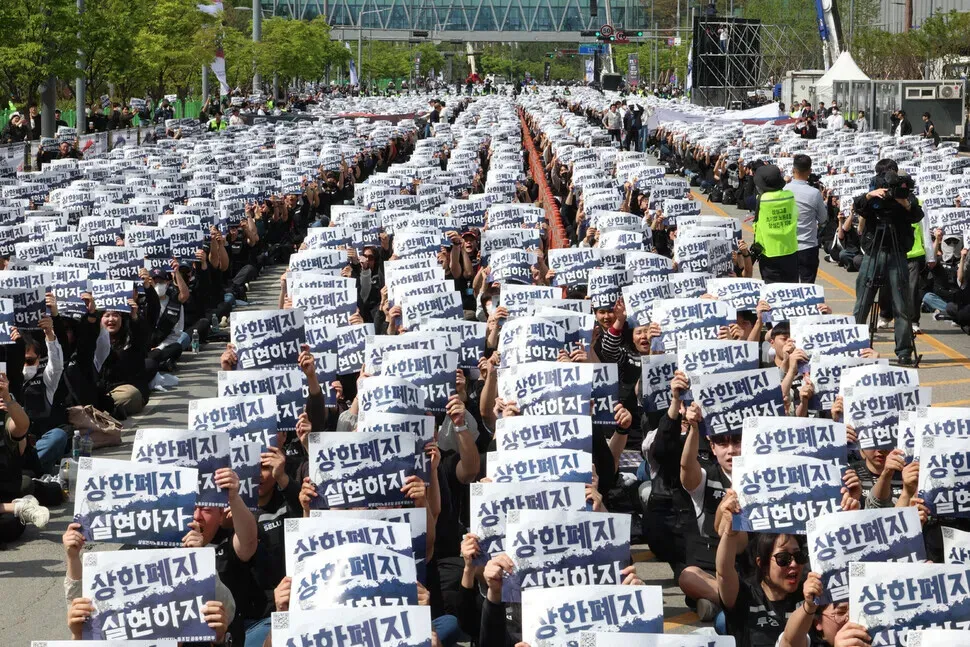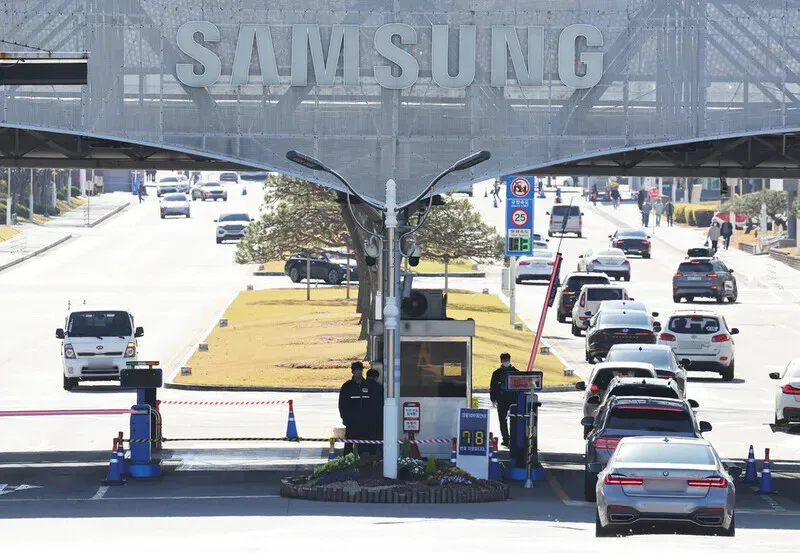
As expected, Korea’s two semiconductor superstars, Samsung Electronics and SK Hynix, raked in record-high revenues in the first quarter of the year. Samsung Electronics is reveling in its unprecedented 57 trillion won in operating profits, an astronomical amount that no other Korean conglomerate has come close to. However, the festivities were cut short, as this bumper profit may actually be an obstacle to Samsung Electronics’ continued success. First off, the Samsung Electronics labor union is threatening to go on strike if its demands for a greater share of bonuses aren’t met. Shareholders are expectantly waiting for their extra dividends. The more profit the company reaps, the more intense the conflict will become as different stakeholders vie for larger shares of the pie. Meanwhile, for others, there’s a growing sense of being left behind. That’s especially true of workers at Samsung’s subcontractors, who don’t even have a seat at the table as others negotiate how to divvy up excess profits. Despite being the ones doing the grueling labor, they are forced to walk on eggshells as others make decisions. Forced to watch from the sidelines as workers at main contractors celebrate their bonuses, they will keenly feel that even the value and achievements of their labor exist within a hierarchy. This is not the first time that controversy has surfaced over the distribution of windfall profits for chipmakers. In 2018, when smartphone shipments rapidly surged, the semiconductor industry set a record by becoming the first single product category in Korea to surpass US$100 billion in annual exports. Korea’s two chip giants also posted record-breaking earnings at that time. SK Hynix proposed a performance bonus equivalent to 1,700% of base pay, but the union objected. Subcontractors were excluded from discussions over how excess profits are distributed, just as they are today. The Moon Jae-in administration tried to address this issue by promoting a policy called the “cooperative profit-sharing system,” under which large corporations and their subcontractors voluntarily shared profits. The policy was not entirely new. In 2011, Lee Myung-bak’s Korea Commission for Corporate Partnership proposed an “excess profit sharing” scheme. However, the proposal was shelved after Lee Kun-hee, the chairperson of Samsung Electronics at the time, slammed the idea, saying, “I don’t even know whether the concept is used in a socialist country, a capitalist country or a communist one.” Seven years later, the big businesses employed similar arguments to oppose Moon’s cooperative profit-sharing system. Companies pushed back against the policy, arguing that it was difficult to measure subcontractors’ contributions fairly and raising concerns about how losses would be managed. In the end, the Moon administration failed to turn the proposal into law. Eight years have passed since then. This time around, excess profits have increased, opposition from labor unions has grown stronger in proportion, and more people are paying attention to the marginalization of subcontractors.During a press briefing on April 27, Industry Minister Kim Jung-kwan explicitly pointed to who was being left out of the discussion. “The question is whether we can view Samsung's performance as an outcome achieved only by the company's management, engineers and other workers,” Kim said. “In a way, this is an outcome of the overall chip ecosystem, which encompasses untold infrastructure, subcontractors, and communities. With that in mind, a mature decision needs to be made [about profit division] together with all the constitutive parts of that ecosystem.”He’s right. At the same time, the responsibility for solving this problem falls to the government and the National Assembly as well. Everyone here has a valid point that needs to be respected, from the management arguing that investments need to be made for the future, to the union arguing that appropriate pay is needed to keep talented workers from leaving for greener pastures, to the subcontractors arguing that they should get a share of the profits because they already are the first ones to take a hit when there are losses. That’s why it’s so important that guidelines are finally established for how excess profits should be split in a way that keeps every part of the ecosystem thriving. Sources in the industry expect the semiconductor super cycle to last three or more years. It’s up to the actors in the chip ecosystem to make a decision about whether they want tensions to continue flaring that long, or if they want to enjoy the festivities — and let others as well.
[Reporter’s notebook] Korea’s chipmakers are partying, but not everyone’s invited
Record revenue has revived debate about how excess profits should be divvied up
732 words~3 min read