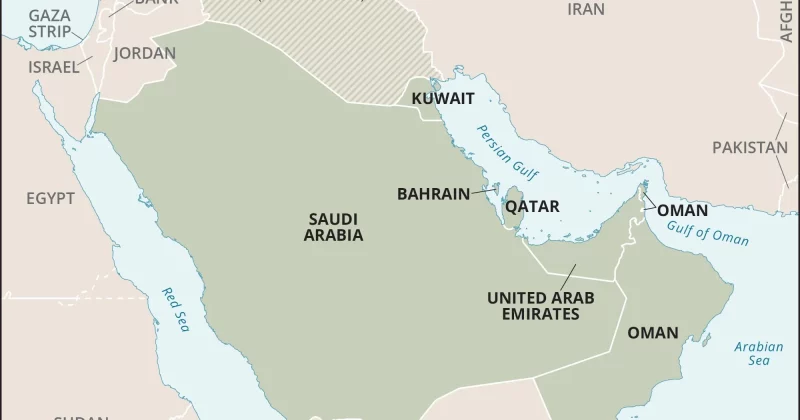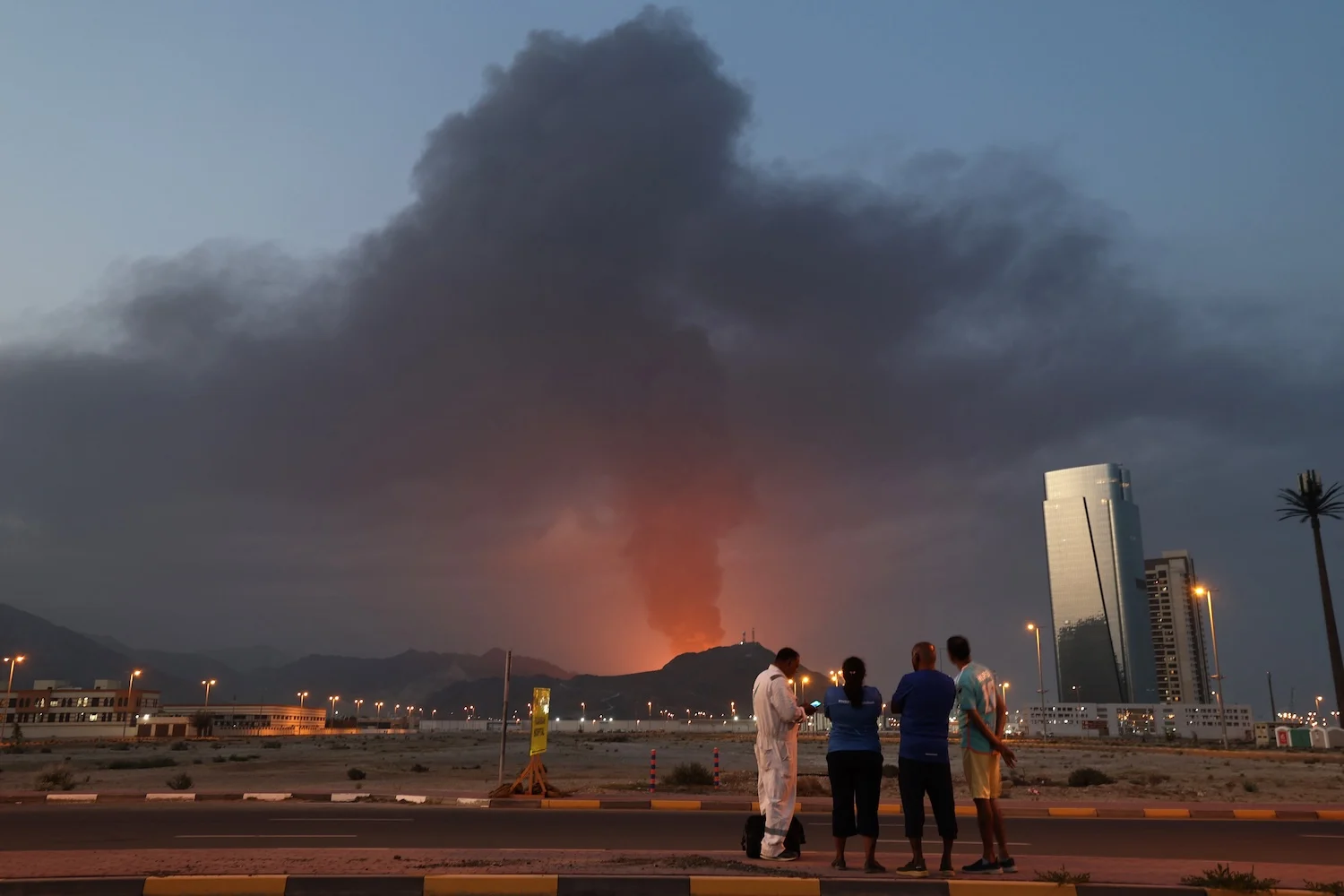
The Iran war, which has impacted West Asia, is fundamentally reshaping how governments, investors and citizens think about food systems in the Persian Gulf. It has reinforced a key learning for the organisations in the region that shorter, more diversified supply chains are not just efficient—they’re resilient, say executives of food companies in the region.
The war led to the United Arab Emirates (UAE), which imports 85-90 per cent of its food, facing a real-time stress test. Dubai, in particular, has responded in a way that has surprised the global community. Food companies have turned to technology to help them tide over the current crisis.
“While challenging dynamics, we are grateful to say that our business has been incredibly resilient. We remain both ahead of the year-to-date plan and profitable, but with some margin compression and increased working capital demands,” said Sky Kurtz, Founder and CEO of Pure Harvest.
Model’s advantage
Pure Harvest serves as a formidable example of the importance of domestic and “friend-shored controlled-environment” agriculture production capabilities to de-risk the region’s food system, he said.