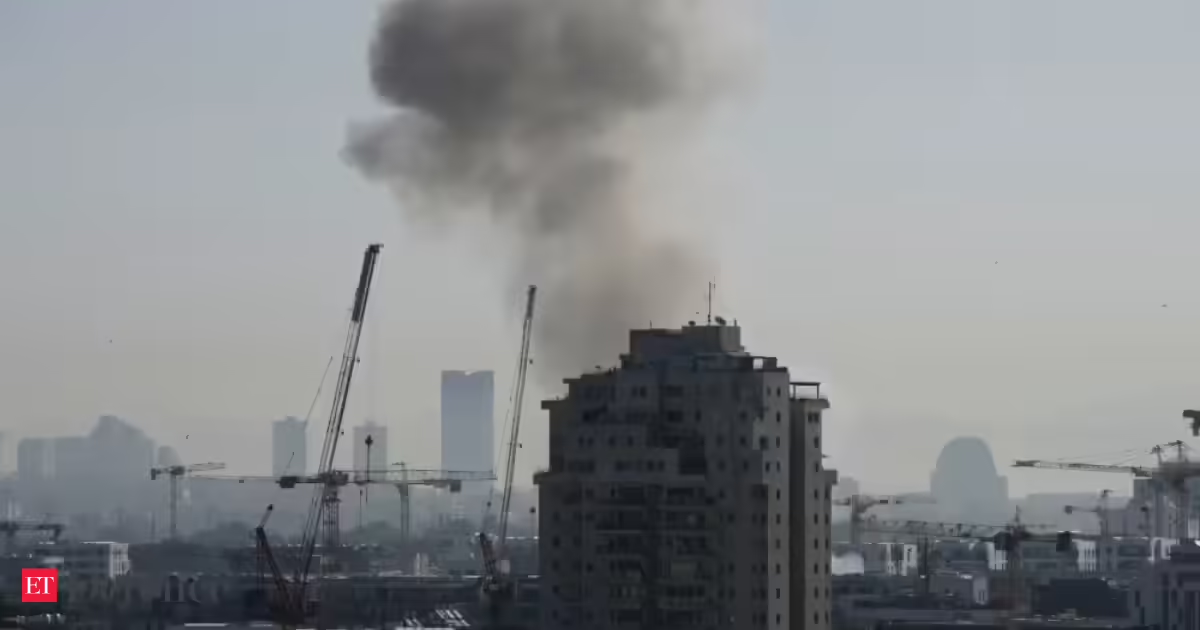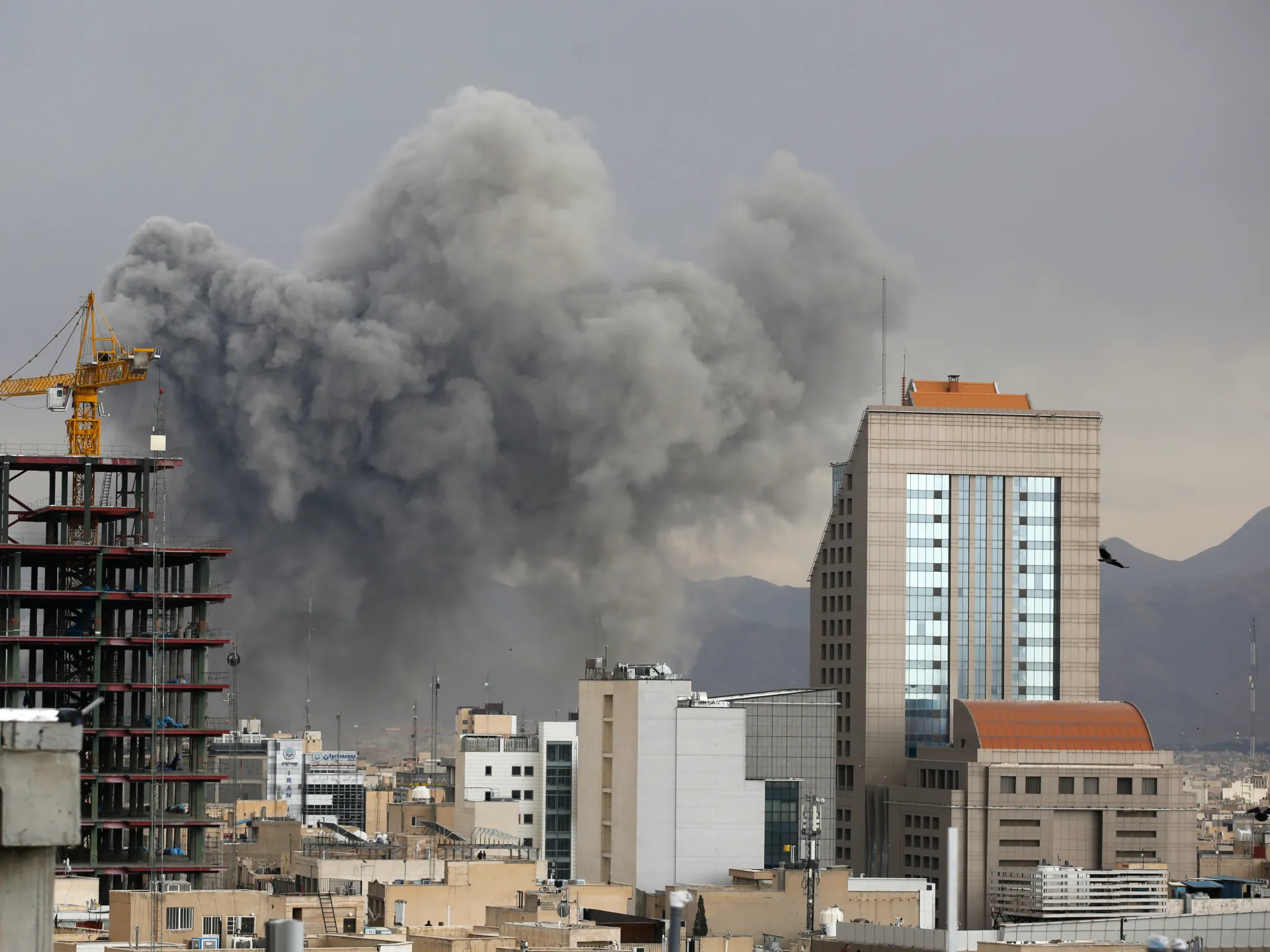
For the regional Gulf Cooperation Council (GCC) states — Bahrain, Kuwait, Oman, Qatar, Saudi Arabia and the United Arab Emirates (UAE) — the consequences of the US-Israeli conflict with Iran extend far beyond immediate military threat.
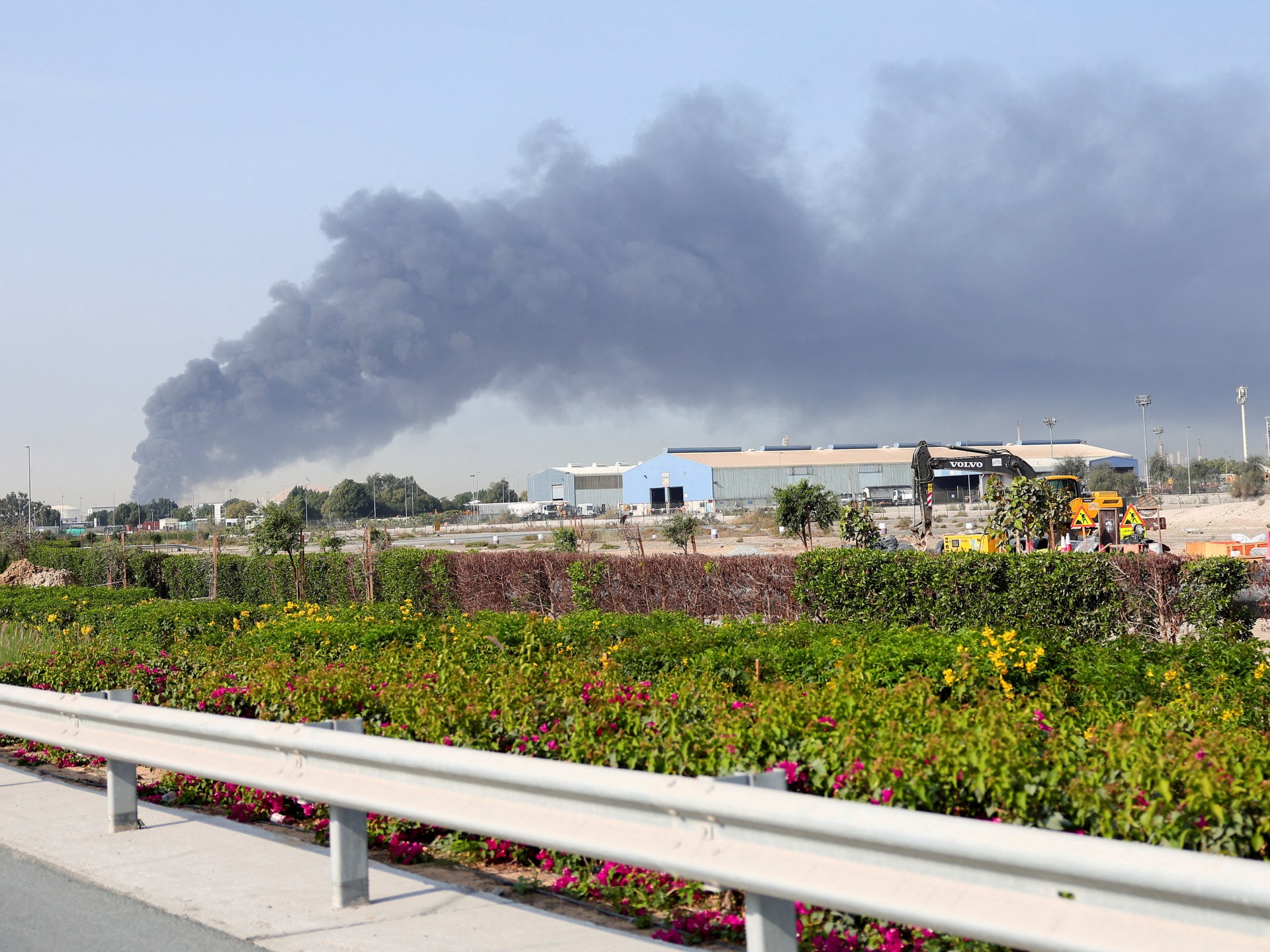
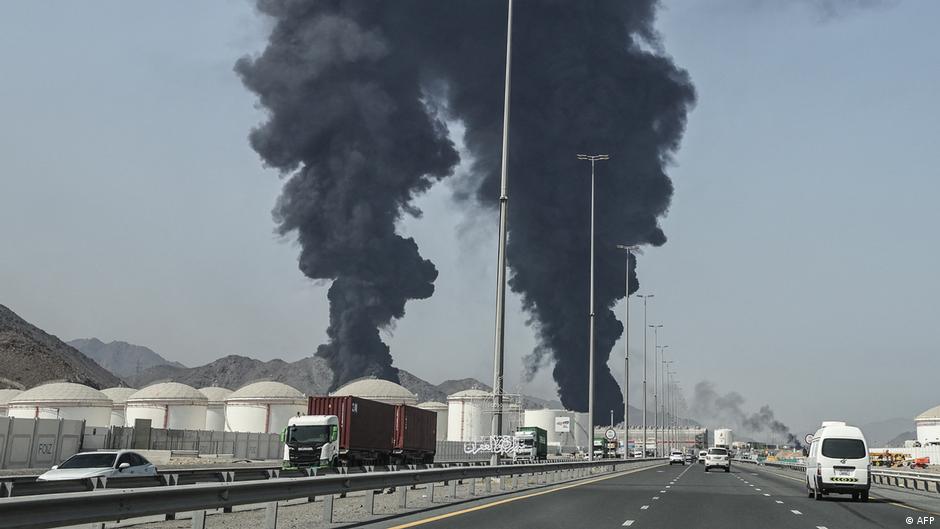
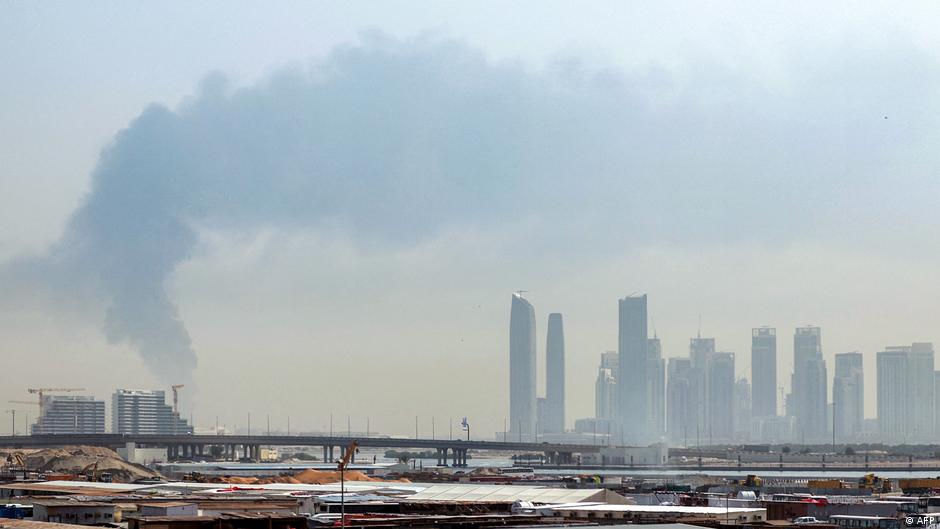
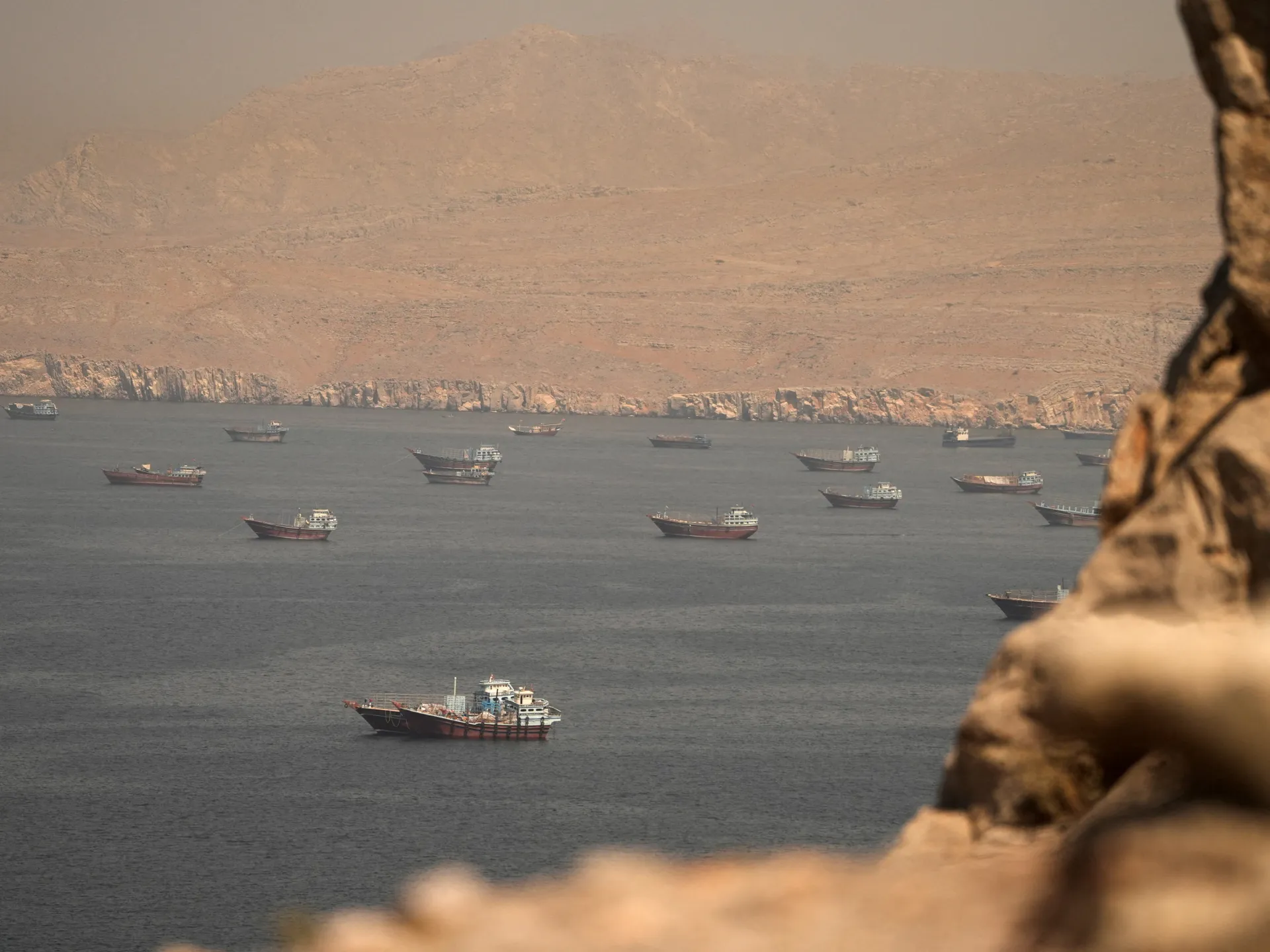
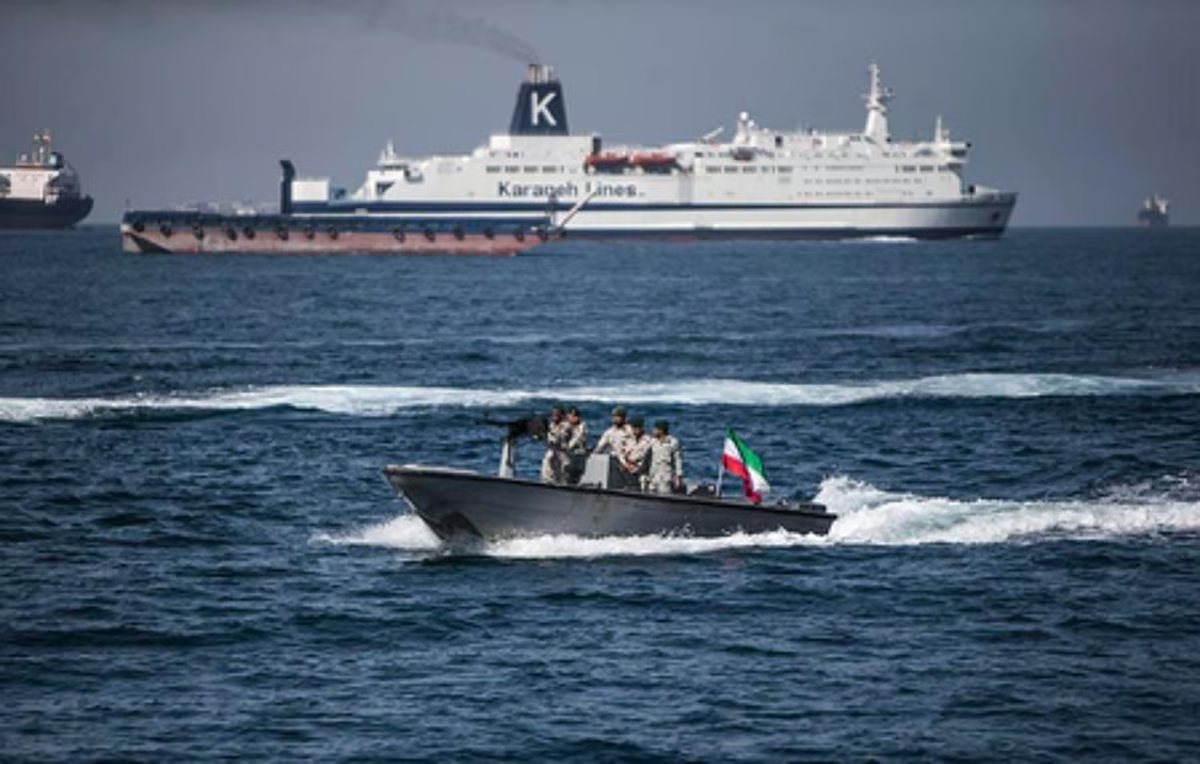

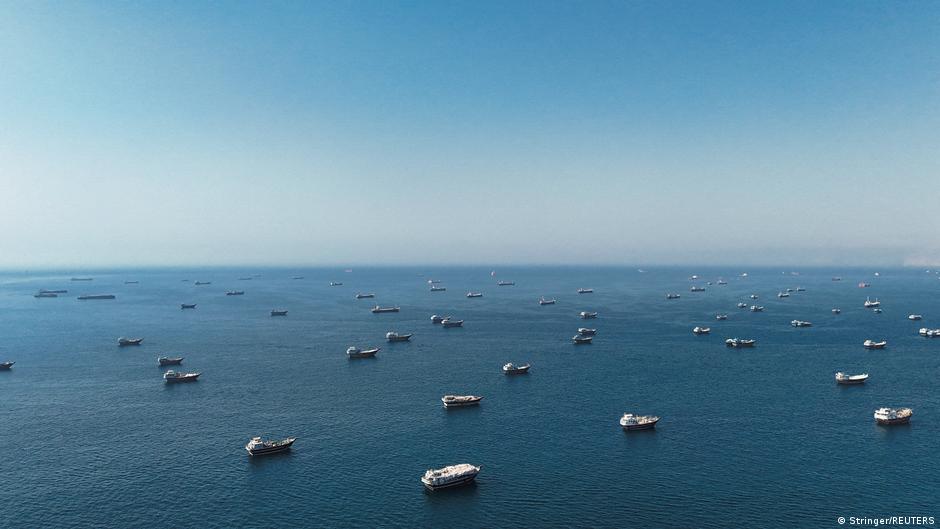
Since February 28, when the US and Israel launched joint strikes on Iran, and despite a nominal ceasefire, the GCC countries, have been performing a difficult balancing act. Key infrastructure in the region is being targeted by thousands of ballistic missiles and drones while the blockade of the Strait of Hormuz by — imposed by both Iran and the US — has had a major impact on trade and economic stability. At the same time, Gulf governments have been trying to avoid being drawn deeper into the conflict.
'Sea change in perception of security and politics'
In recent years, the Gulf states, and particularly Saudi Arabia, have implemented ambitious economic reforms aimed at diversifying their economies and reducing dependence on oil revenues. Increasingly, these overhauls have shaped foreign policy too, as tourism, aviation, logistics, and artificial intelligence have become core pillars of national development strategies .
But a new era is underway, according to Cinzia Bianco, a Gulf analyst at the European Council on Foreign Relations who recently returned from the UAE. "The Iran war has prompted a sea change in their perception of security and politics," she told DW.The UAE left the OPEC group on May 1, 2026, and benefits from higher prices per barrelImage: Addictive Stock/IMAGO