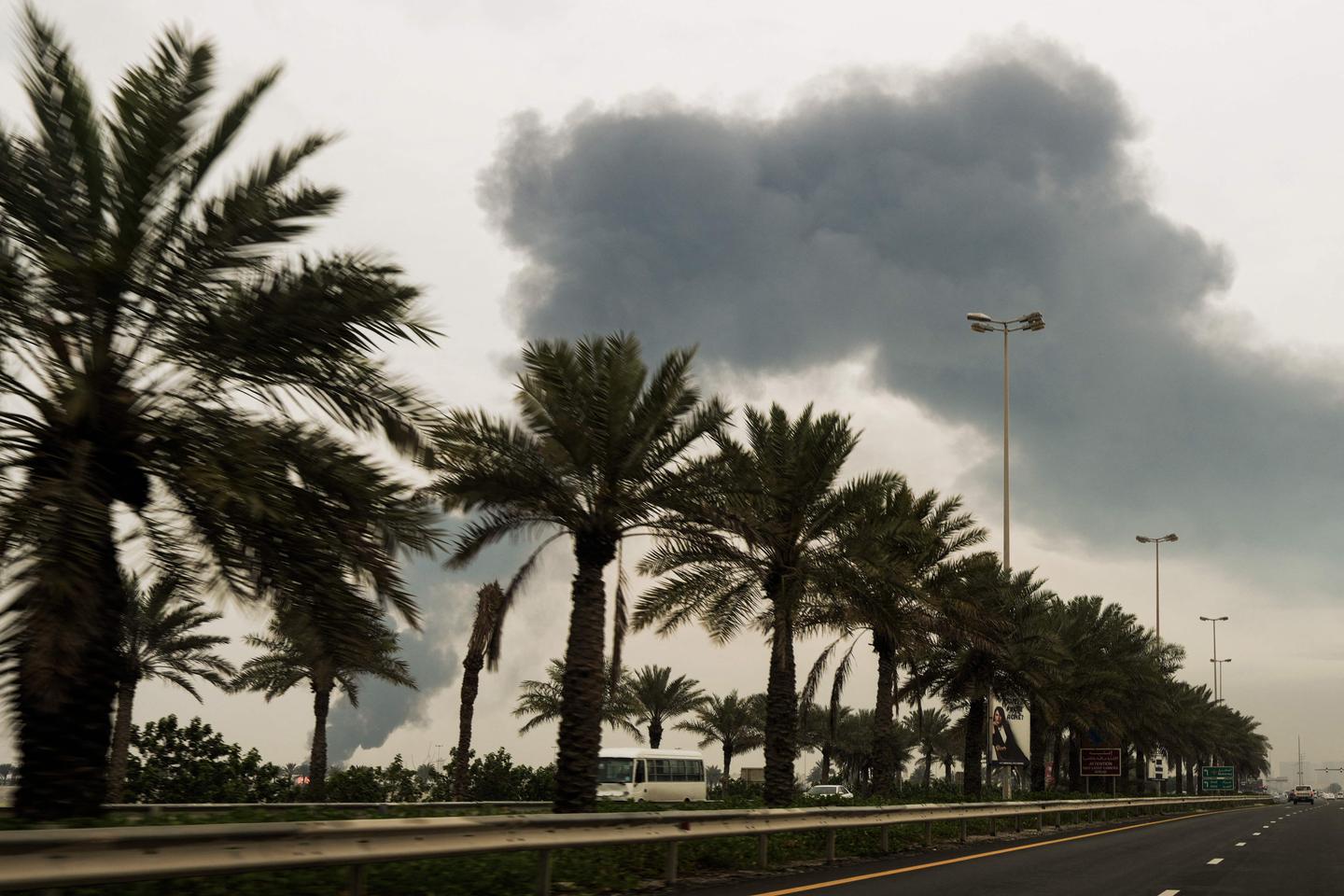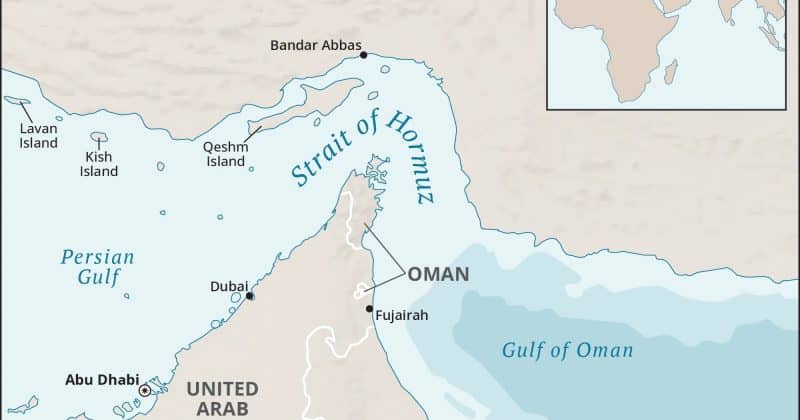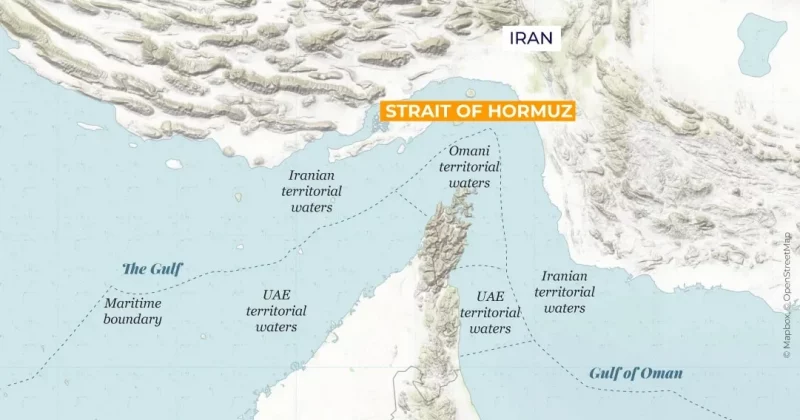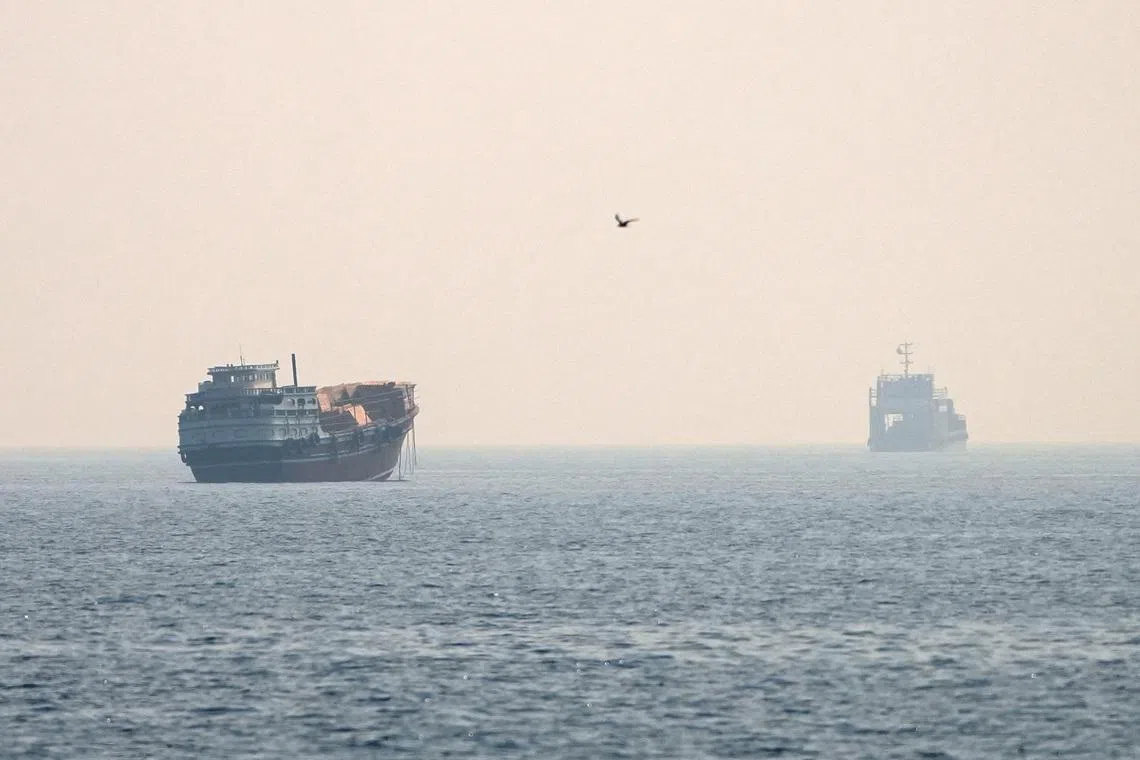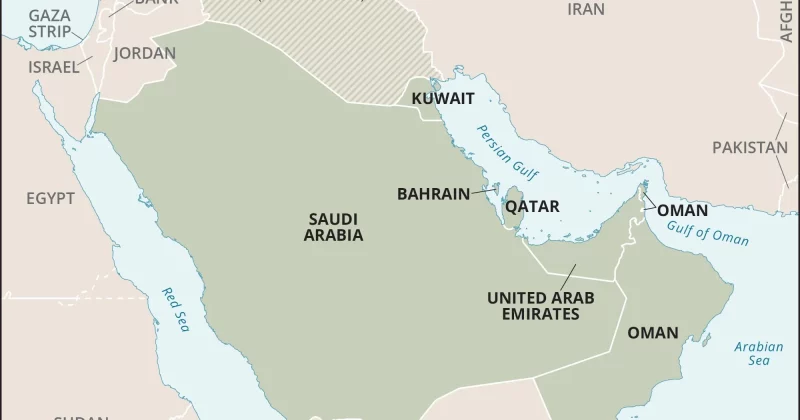
The Strait of Hormuz, a narrow waterway that handles roughly 20% of global oil and LNG flows, has become the conflict’s economic ground zero. Disruptions along this corridor have hammered energy exports for Saudi Arabia, the UAE, and their neighbors, slashing the fiscal surpluses that once made Gulf sovereign wealth funds the envy of the investing world.
A region’s finances under siege
With the Strait of Hormuz facing conflict-related closures, revenue streams are under direct threat. Reduced export capacity means smaller budget surpluses, which means less capital available for the sovereign wealth funds that have been quietly reshaping global finance for years.
Gulf states are now expected to reduce investment spending significantly during and after the conflict. When entities like Saudi Arabia’s Public Investment Fund or Abu Dhabi’s Mubadala pull back, the ripple effects touch markets from New York to Tokyo.
Defense costs are climbing at the same time revenues are falling. The fiscal math that once allowed these nations to simultaneously build futuristic cities and bankroll Western tech companies simply doesn’t work anymore.