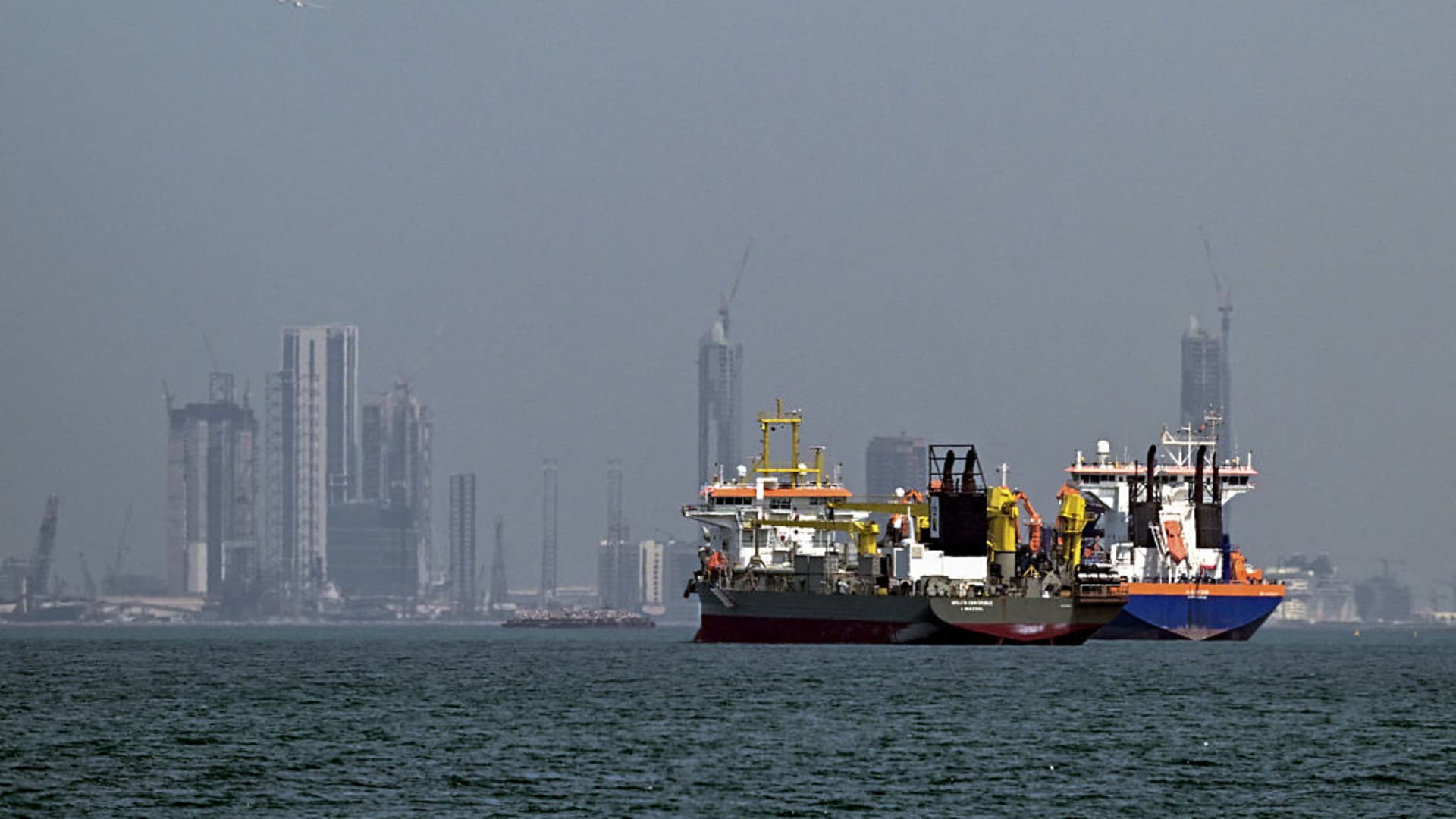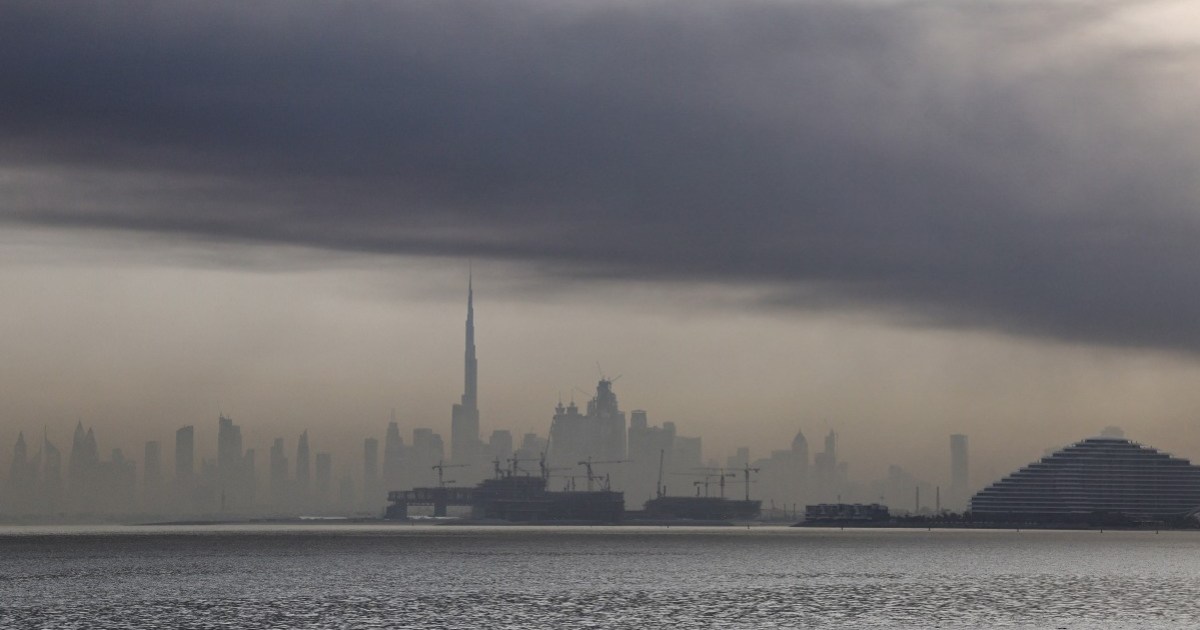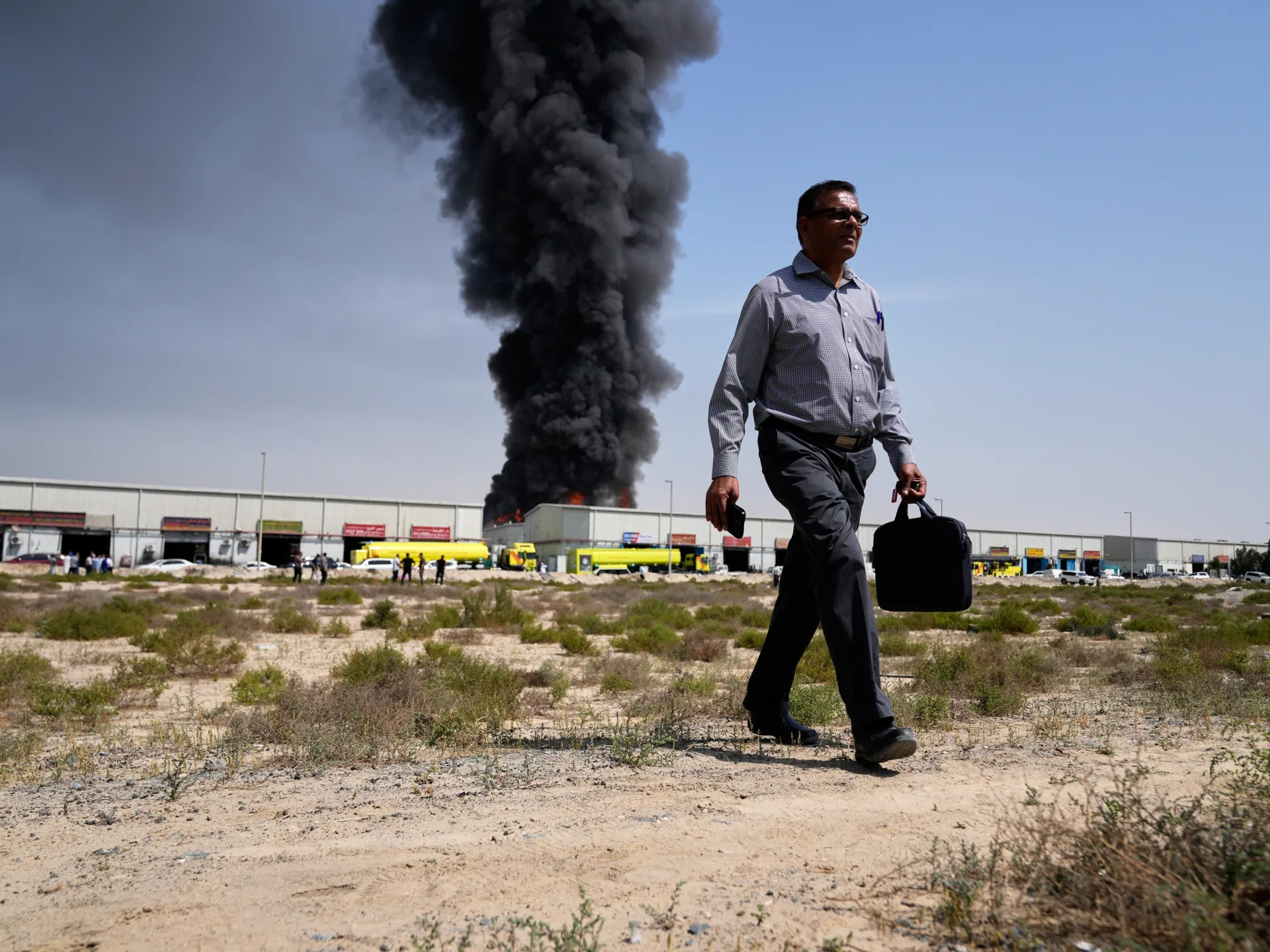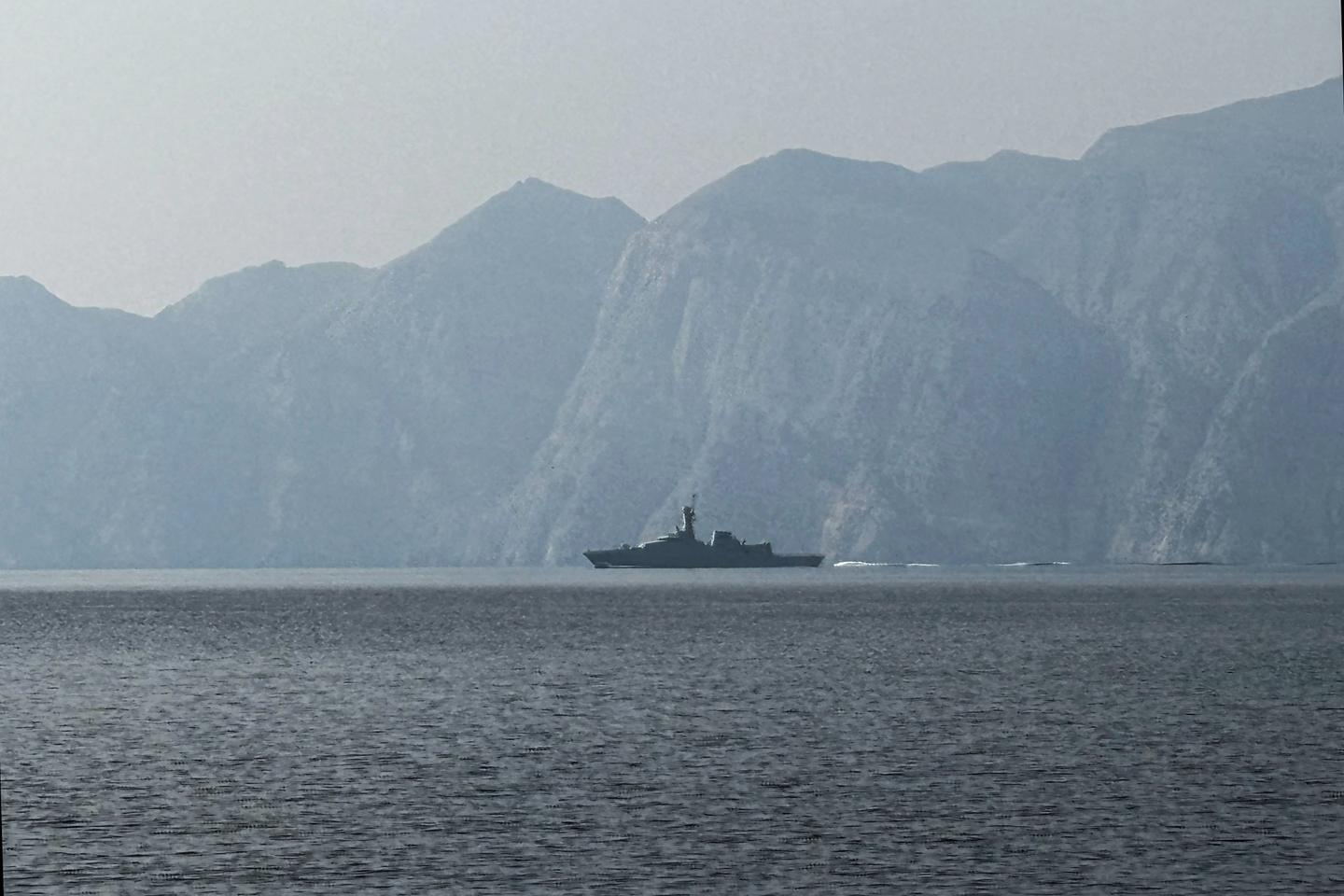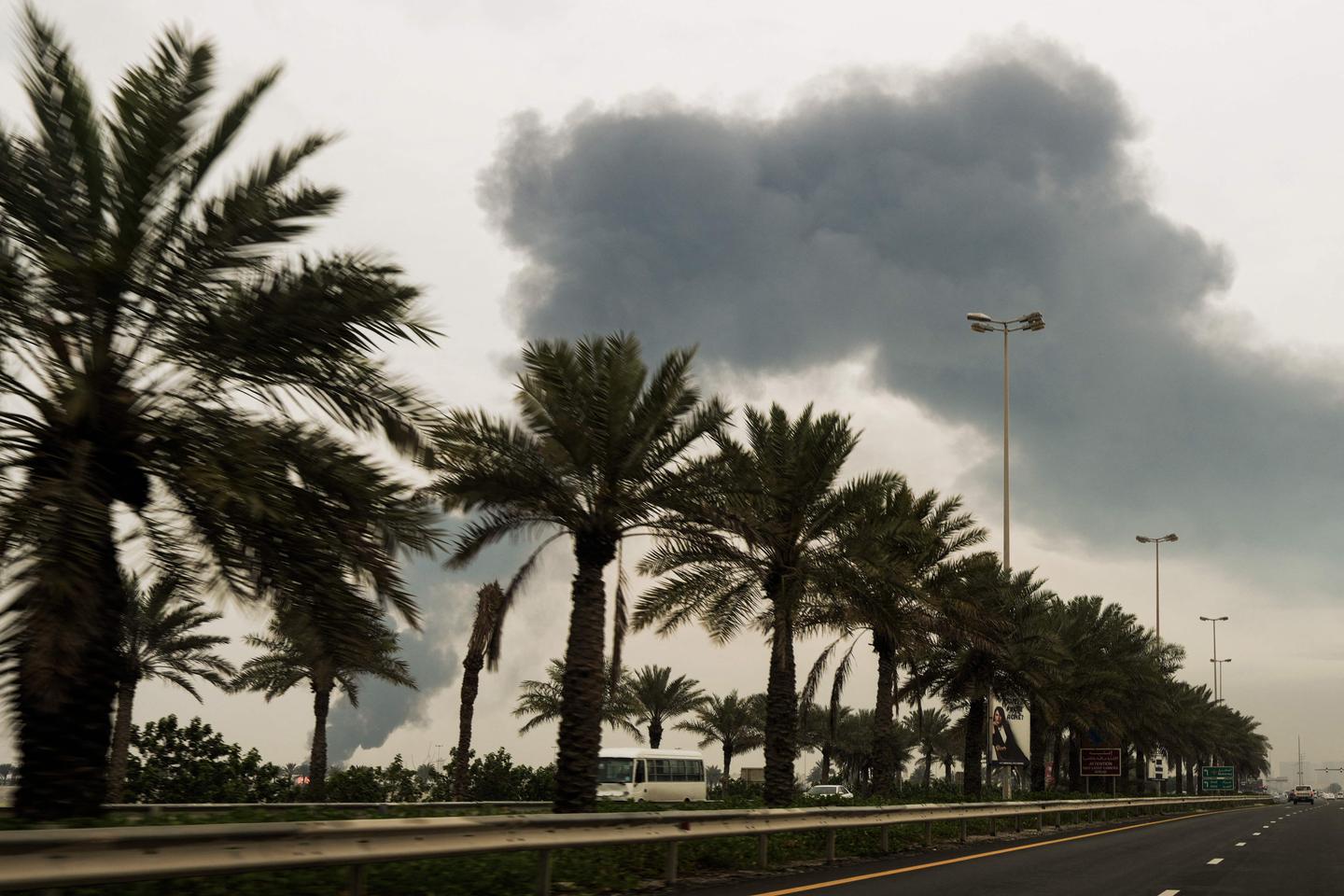
A plume of smoke rises after a suspected Iranian strike on fuel tanks in Muharraq, Bahrain, on March 12, 2026. FADHEL MADHAN / AFP
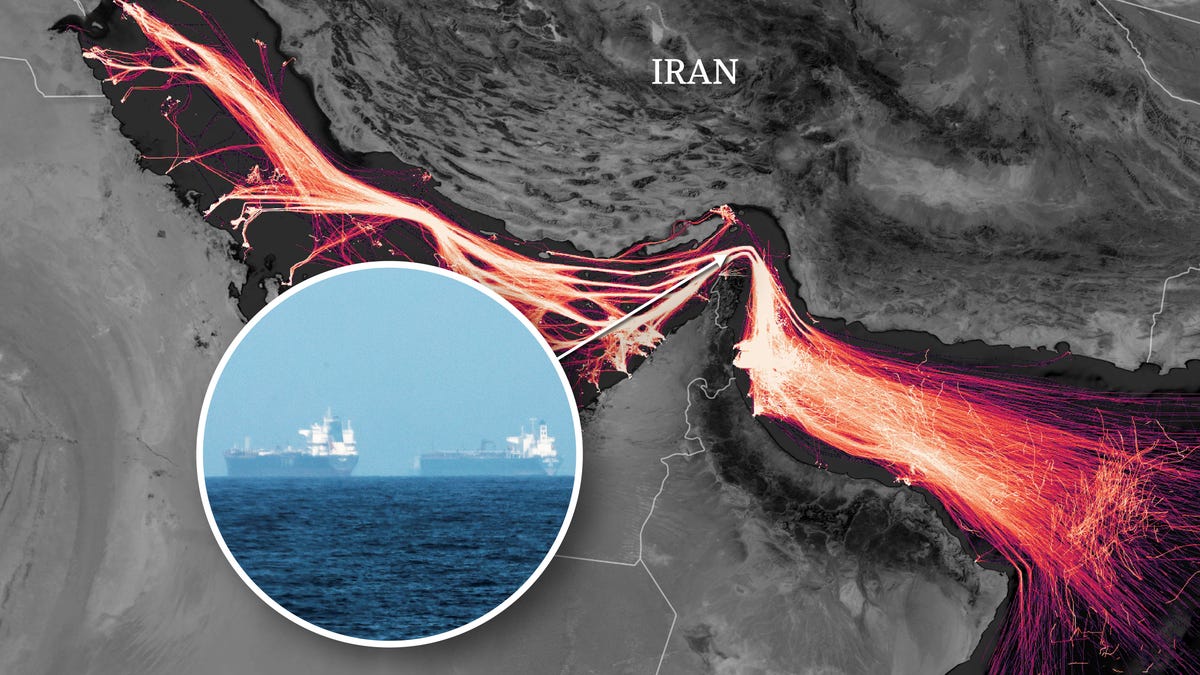
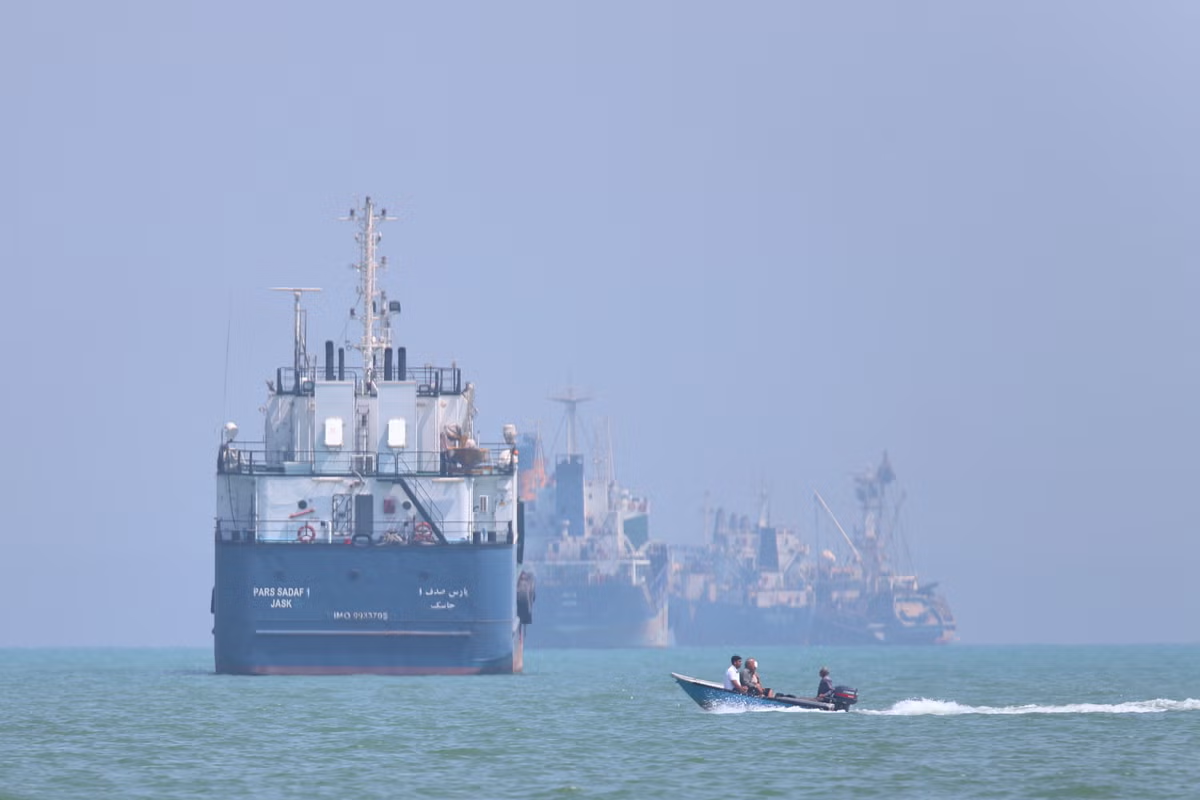
By attacking oil tankers, refineries, banks, US tech giants and blocking all supplies passing through the Strait of Hormuz, Iran is trying every means possible to strangle the Gulf economies and increase pressure on their American ally. On Wednesday, March 11, the Iranian military announced it would target "economic centers and banks" in the region. Meanwhile, Tasnim news agency, which is close to the regime in Tehran, published a list of "future targets" that included the Middle East offices of US technology companies such as Amazon, Google, Microsoft, IBM and Oracle.
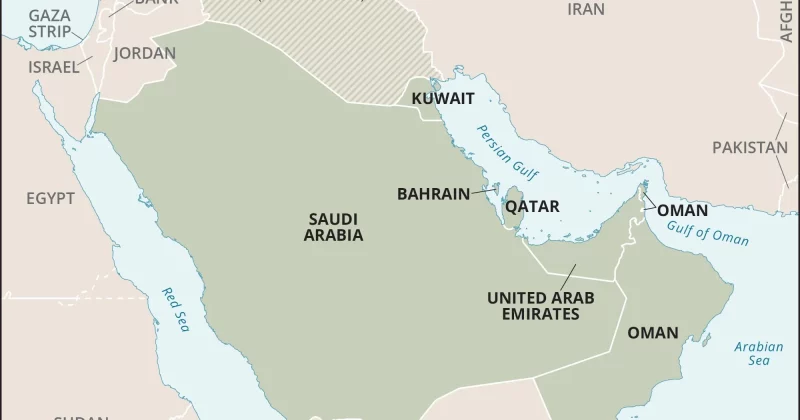
Even though the six Gulf countries have diversified their economies, hydrocarbons still represent about 30% of their GDP and between 50% and 85% of their fiscal revenues. Based on a scenario in which the strait remains closed until the end of April, the American investment bank Goldman Sachs calculated that the sharpest drop in oil production in 2026 would occur in Qatar, Kuwait, and Bahrain (down 25%) – three states most dependent on Hormuz for their exports. Saudi Arabia (down 12%) and the United Arab Emirates (down 16%) would be less affected, as they can more easily bypass the strait.