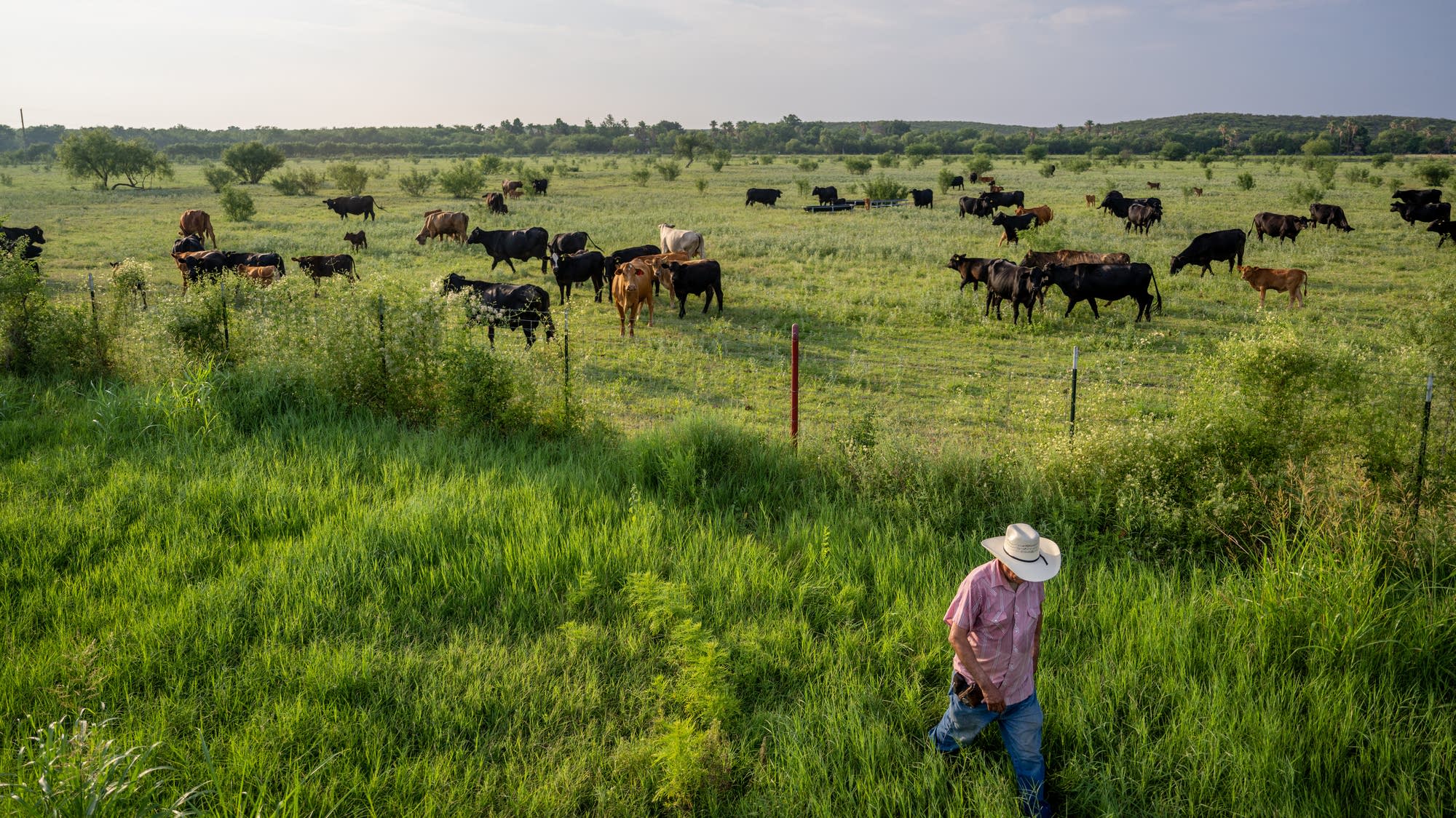
With farmers fleeing attacks, fears are growing over food shortages and rising living costs, writes Festus Akanbi
W
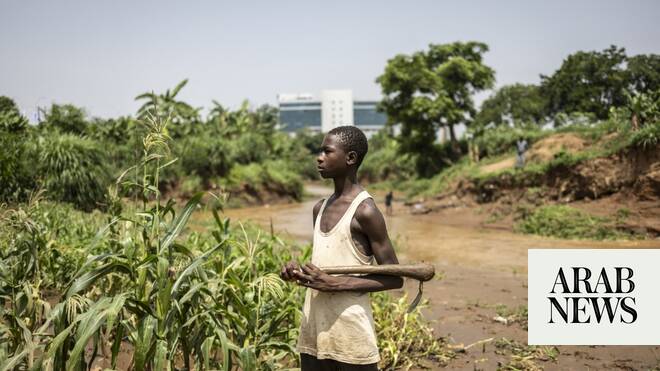
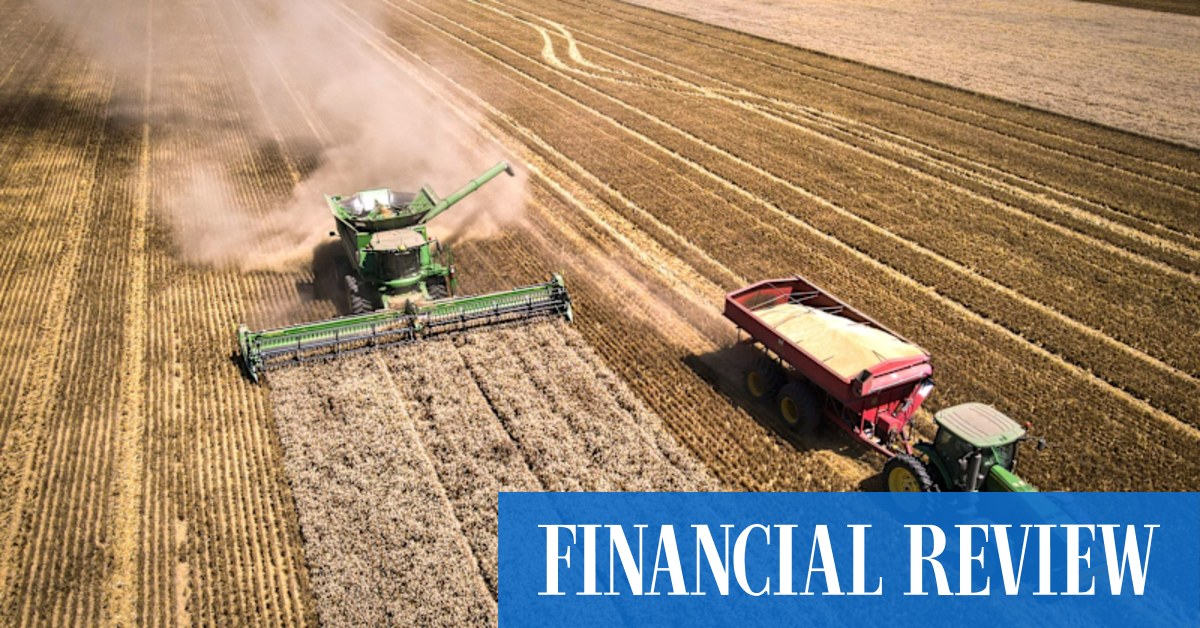
hat should ordinarily be Nigeria’s season of hope is rapidly turning into a season of fear. Across vast farming belts stretching from Benue and Niger to Oyo, Ondo, and Ekiti, the sound of cutlasses and tractors is gradually being replaced by gunshots, kidnappings, and hurried migration from villages once known for agricultural abundance.
Nigeria’s deepening insecurity crisis is no longer merely a humanitarian tragedy; it is fast becoming one of the gravest threats to national food security, economic stability, and social cohesion in decades.
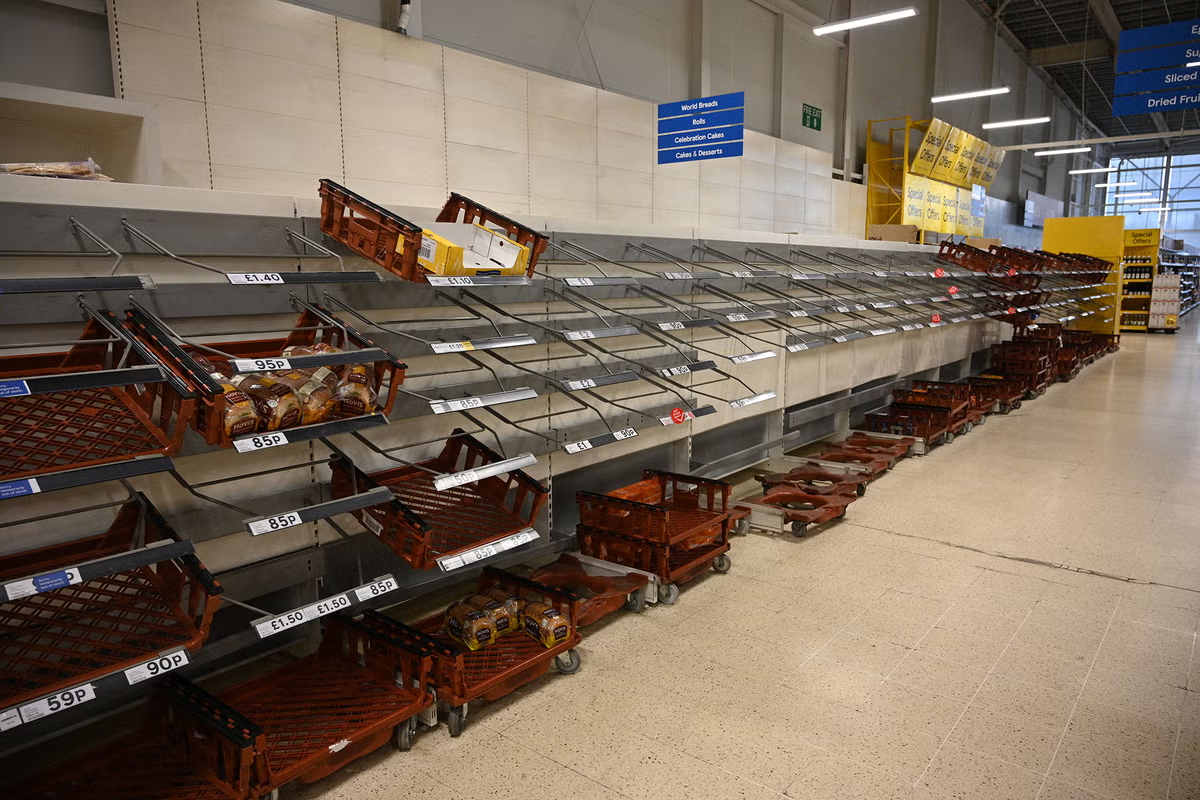
The warning signs are already visible. According to data from Nigeria’s National Bureau of Statistics (NBS), food inflation stood above 40 per cent for much of 2024 before moderating slightly in recent months, remaining one of the strongest drivers of the country’s cost-of-living crisis. Yet analysts fear the worst may still lie ahead because the current danger is not driven merely by exchange rate pressures or fuel costs, but by the physical abandonment of farms themselves.