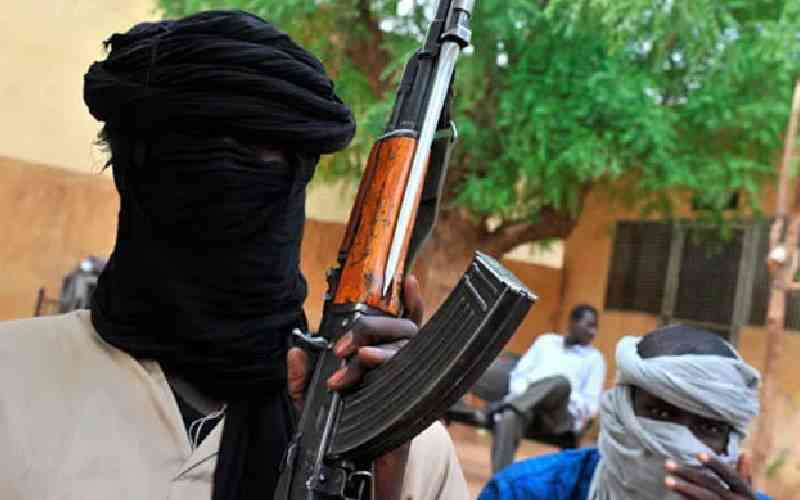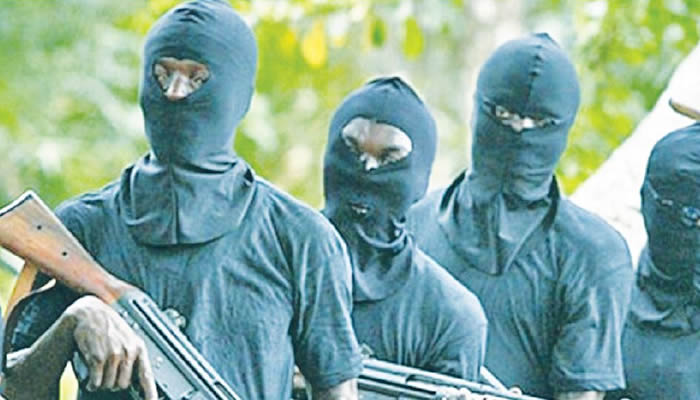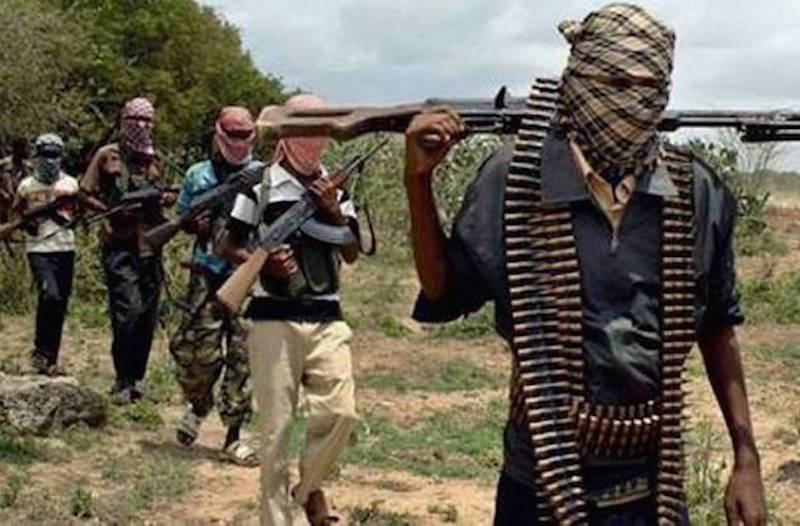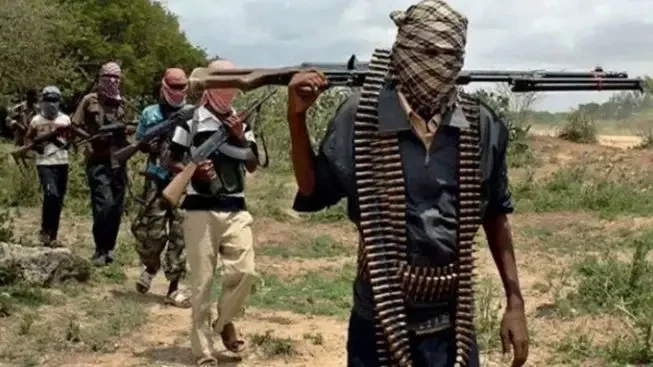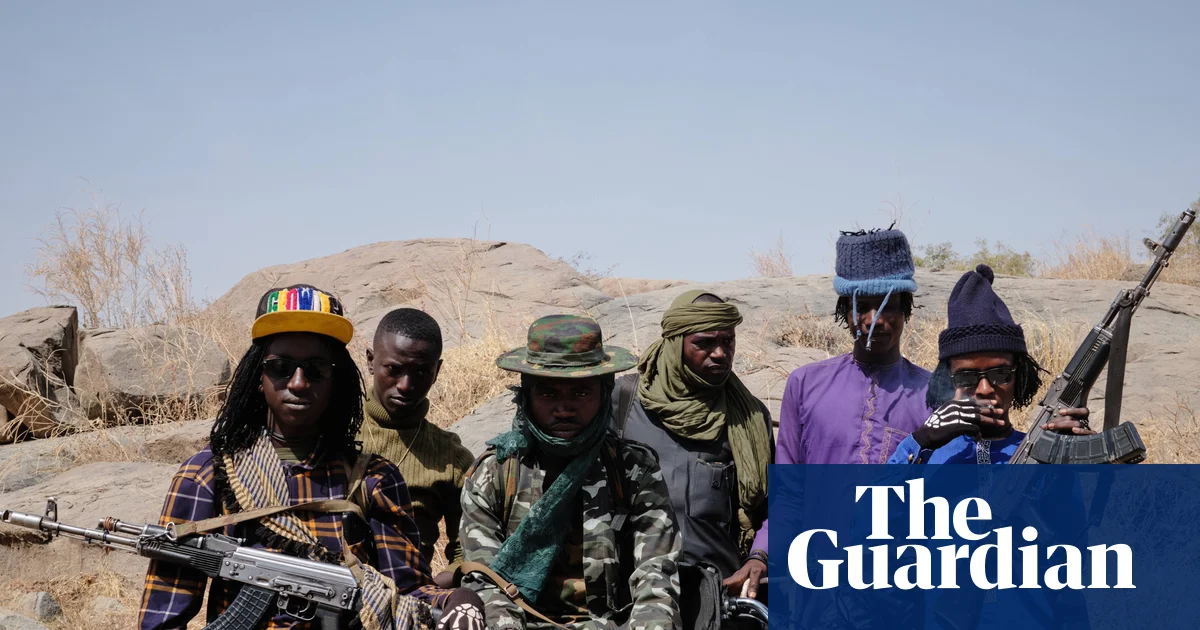
Beneath the shade of the wide-spreading branches of a neem tree, five young gang members wearing camouflage and beanies and cradling AK47 rifles took refuge from the harsh midday sun. They passed around cold bottles of water and a popular energy drink called Fearless.To their left, a dreadlocked teenager with his own rifle rested on one of three motorcycles parked on the sparse grass. To their right, another teenager sat with his back to the others, rolling a spliff.The rendezvous of some of the most dreaded men in Nigeria took place near Batsari, a settlement in the north-western state of Katsina. The settlement lies within the Rugu forest reserve, which covers much of the state and stretches across the border into Niger’s Maradi region.Local people would describe these men as terrorists or bandits – a reference to armed criminal groups who kidnap for ransom, killing those who resist, and engage in cattle rustling. But Abu “Abu Radde” Bello, the 32-year-old gang leader, said he rejects those terms.
Abu ‘Abu Radde’ Bello, the leader of a gang in Katsina state
“We are not happy that people call us criminals and terrorists,” he said after midday prayers. “We are just trying to fend for our families. In the process, people are disturbing us – and that brings conflicts.”Bello’s denials – expressed in neutral language – belie the brutal nature of Nigeria’s banditry crisis. Hundreds of gangs like his have roamed across vast swathes of un-policed land in northern Nigeria since 2011, razing villages to the ground and maiming, torturing, raping and killing with unrestrained ruthlessness.