Banditry is widespread in Nigeria. It has been defined as “a loose collection of various criminal groups involved in kidnap-for-ransom, armed robbery, cattle rustling, rape and sexual violence, pillage and attacks on traders, farmers and travellers, particularly in Nigeria’s northwest region”.
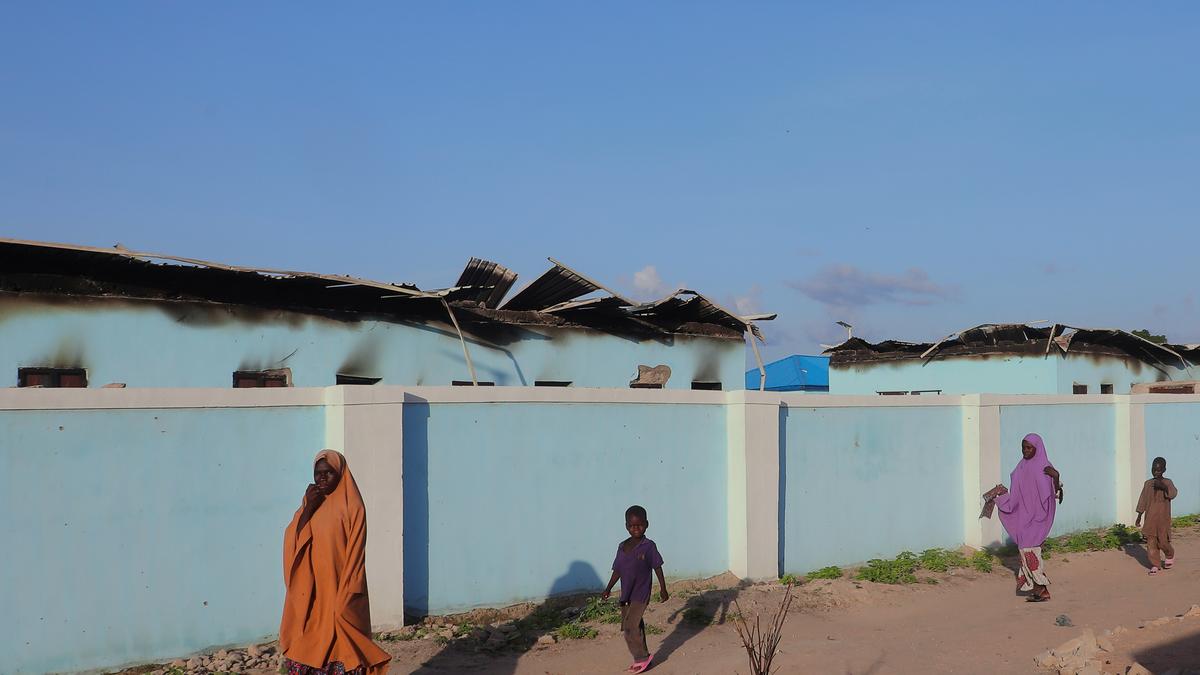
This criminal activity has caused deaths, displacement, destruction of property and widespread fear. In 2025 alone, 599 attacks were reported, with 2,742 casualties. This was a sharp increase from 2024, when 256 attacks and 1,585 deaths were recorded. Banditry has also extended its reach to the northwest and southwest of Nigeria.
Studies have examined its costs and implications, and possible mechanisms for addressing it. Still, knowledge about the nature and character of banditry remains limited.
As a sociologist, I investigated this national security threat with a view to understanding how the victims experienced it.
The study unpacks the method and timing of attacks and identities of the bandits, providing insights that can inform security planning. Knowing more about how bandits operate can help government and vulnerable communities to design preventive measures and adopt safety behaviours.