A new report has revealed that violent conflict across the northern part of the country is deepening poverty and weakening the ability of households to recover from economic shocks.
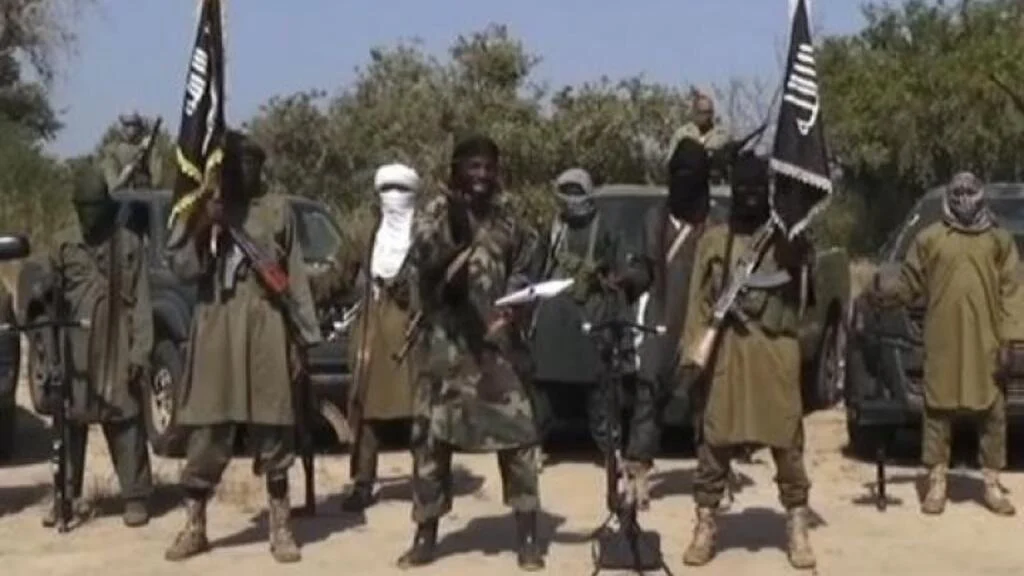
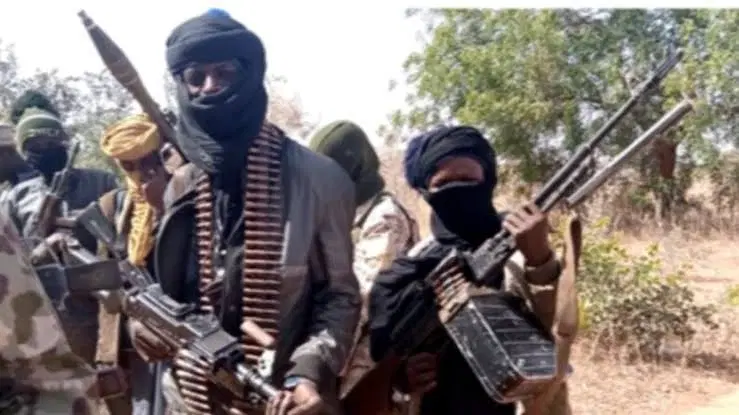
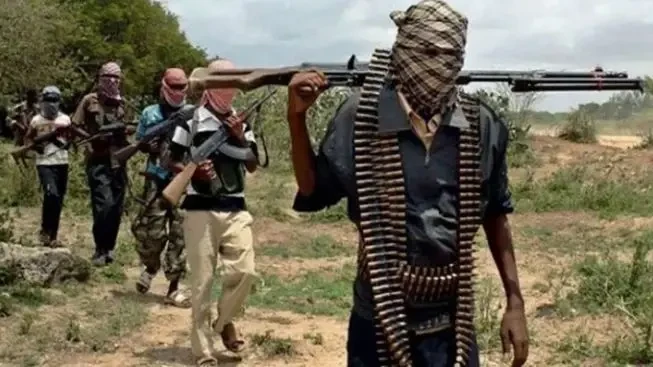
The report, titled “Insecurity, Livelihoods and Welfare in Northern Nigeria,” identified three major forms of insecurity affecting the region: Boko Haram/ISWAP insurgency in the North-East, farmer-herder conflicts in the North-Central, and banditry and kidnapping in the North-West.
The findings were unveiled on Thursday in Abuja during a high-level webinar convened by the Chronic Poverty Advisory Network of the Institute of Development Studies, United Kingdom; the Development Research and Projects Centre; and the Foreign, Commonwealth and Development Office-supported Strengthening Peace and Resilience in Nigeria project.
The Minister of Humanitarian Affairs and Poverty Reduction, Dr Bernard Doro, opened and closed the session, reflecting on the implications of the findings for the ministry’s One Humanitarian–One Poverty Response System policy.
Presenting the report, CPAN Deputy Director, Dr Vidya Diwakar, said the study explored the relationship between insecurity and household welfare using data from the Nigeria Living Standards Survey 2022/23, the Nigeria Demographic and Health Survey 2024, Armed Conflict Location and Event Data from 2010 to 2025, and extensive fieldwork conducted by dRPC.