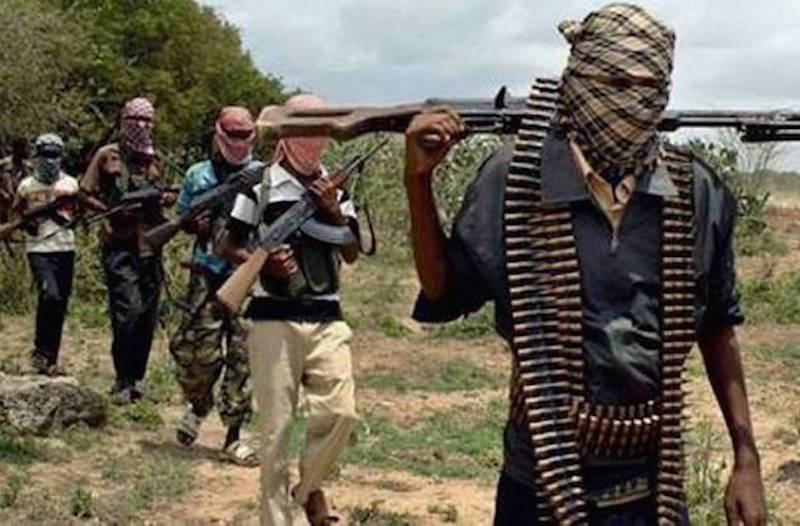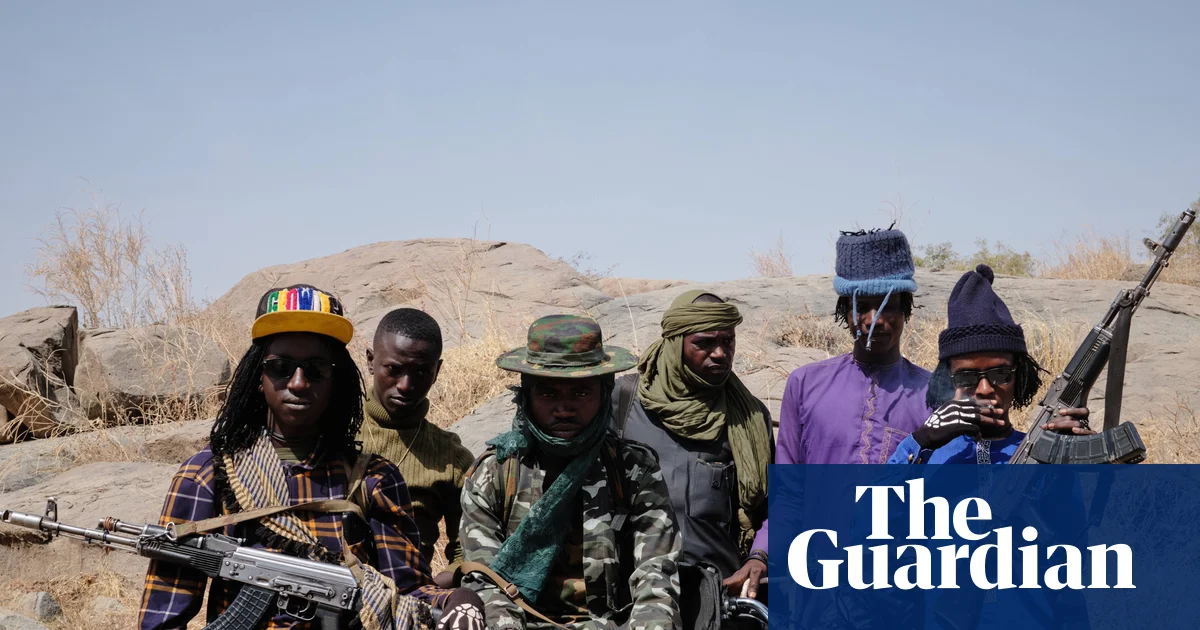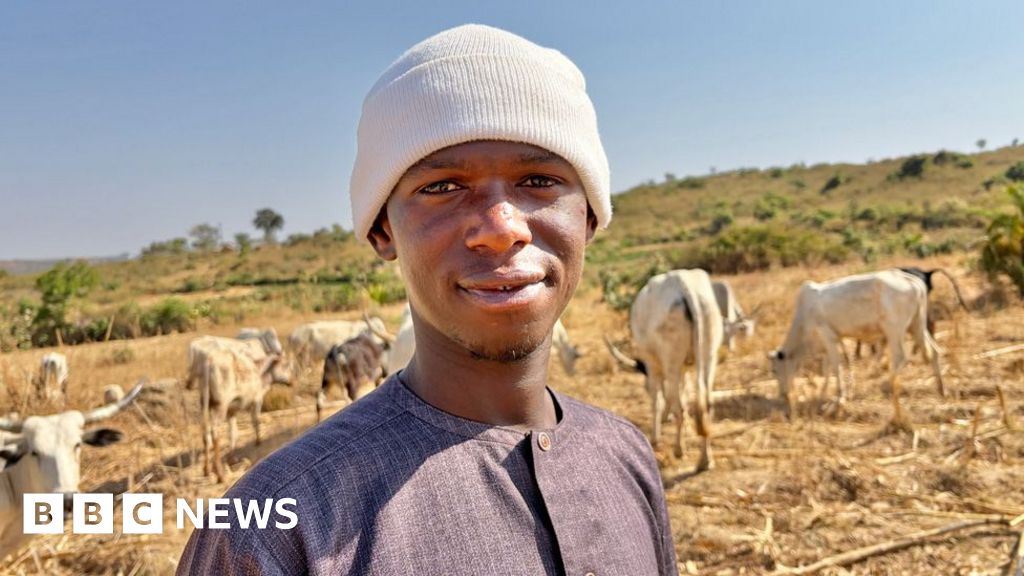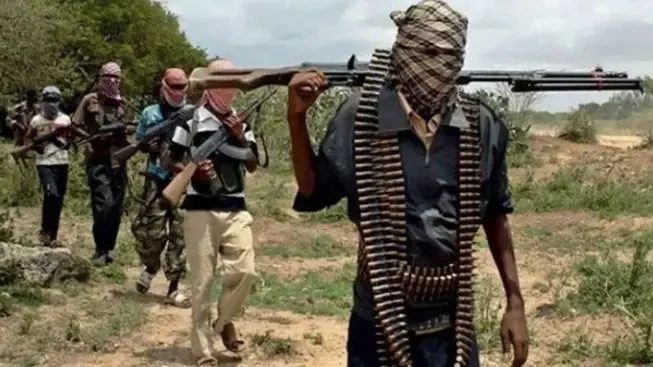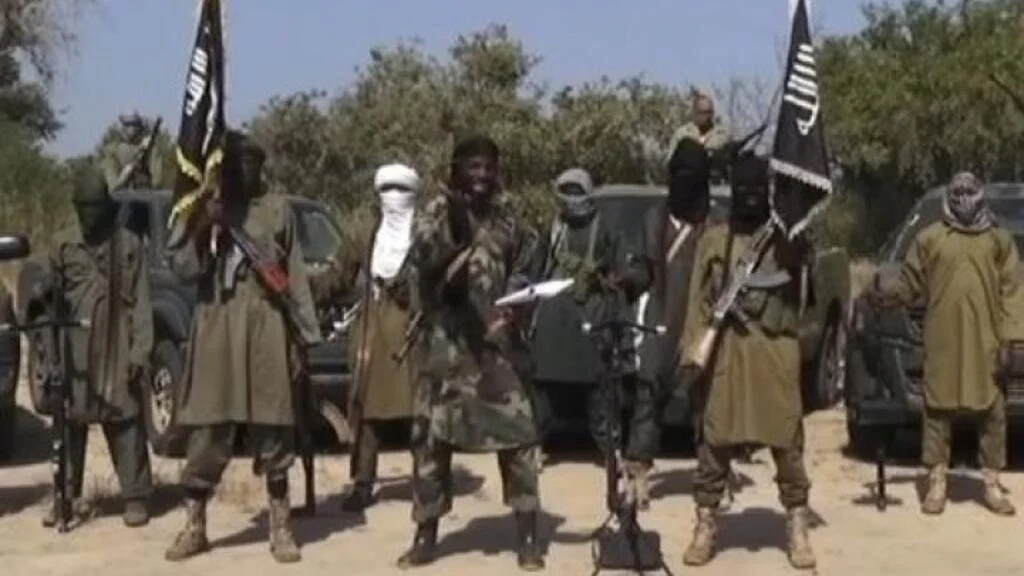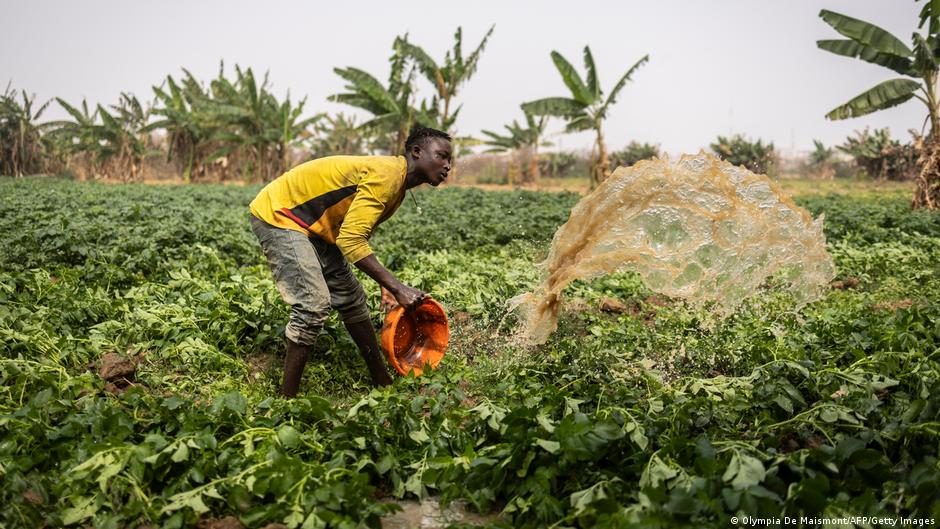
Across the Sahel region, where many Fulani herders have historically lived, rising temperatures, drought and desertification have reduced grazing land. Now, pastoralists are increasingly driving their stock beyond traditional ranges and coming into conflict with sedentary farming communities.
The WZB Berlin Social Science Center has drawn on over two decades of data from across Nigeria to examine links between drought patterns, conflict incidents, and the religious composition of local communities.
Sociology professor Ruud Koopmans, who co-authored the study, said the data challenged the perception that climate change was the main driver of violence. Instead, he pointed to religious divisions as the decisive factor.
Religion influences violent conflict in Sahel
"Where these Muslim pastoralists meet farmers, who are in majority Christian, that is where we have the largest number of violent confrontations," says Koopmans, who is based at Berlin's Humboldt University.