Start with the scale, because the scale alone should have ended the argument over whether this is a crisis.
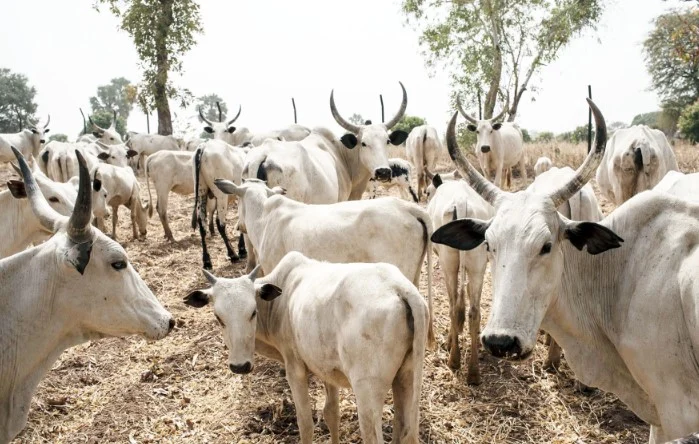
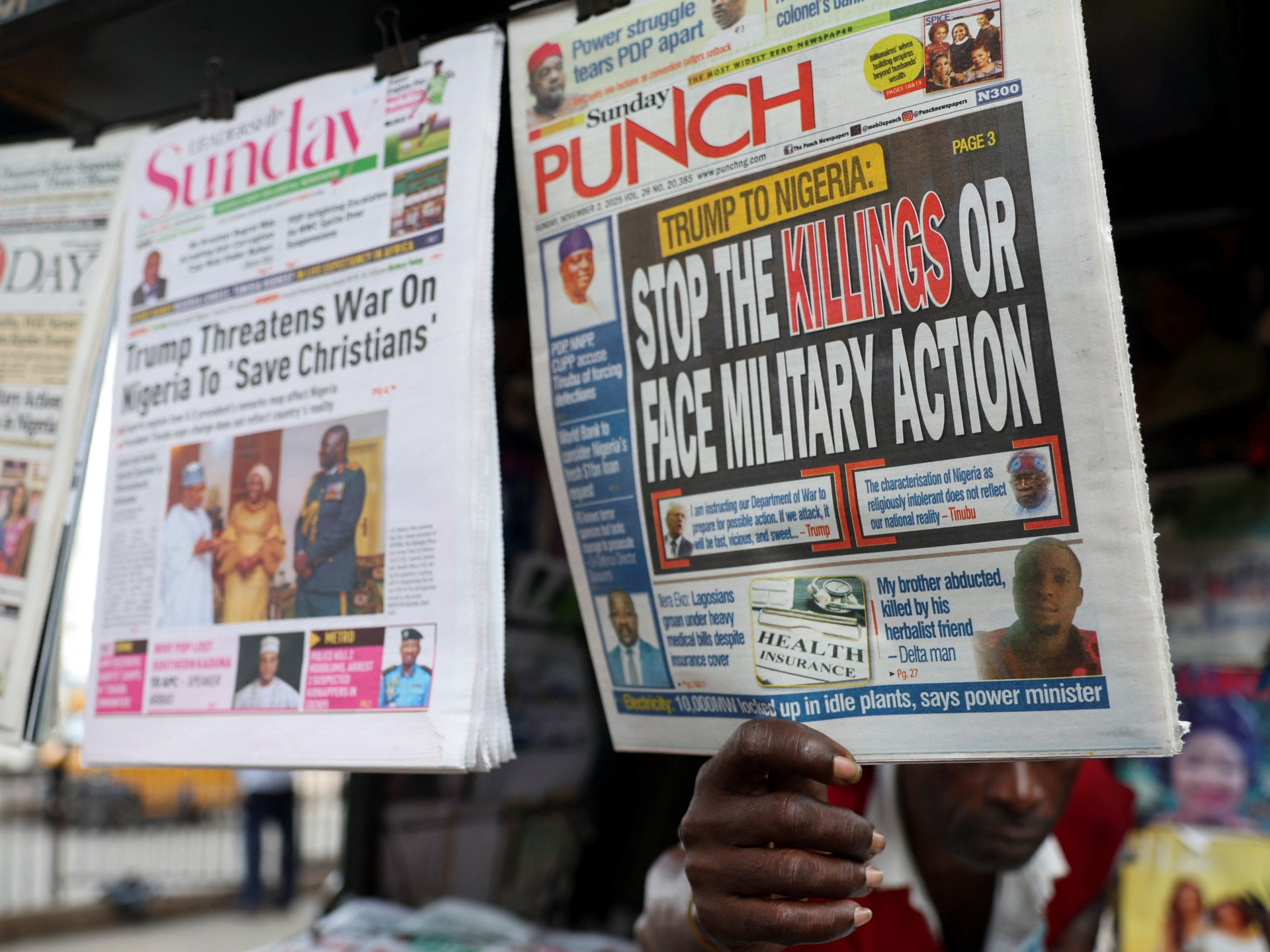
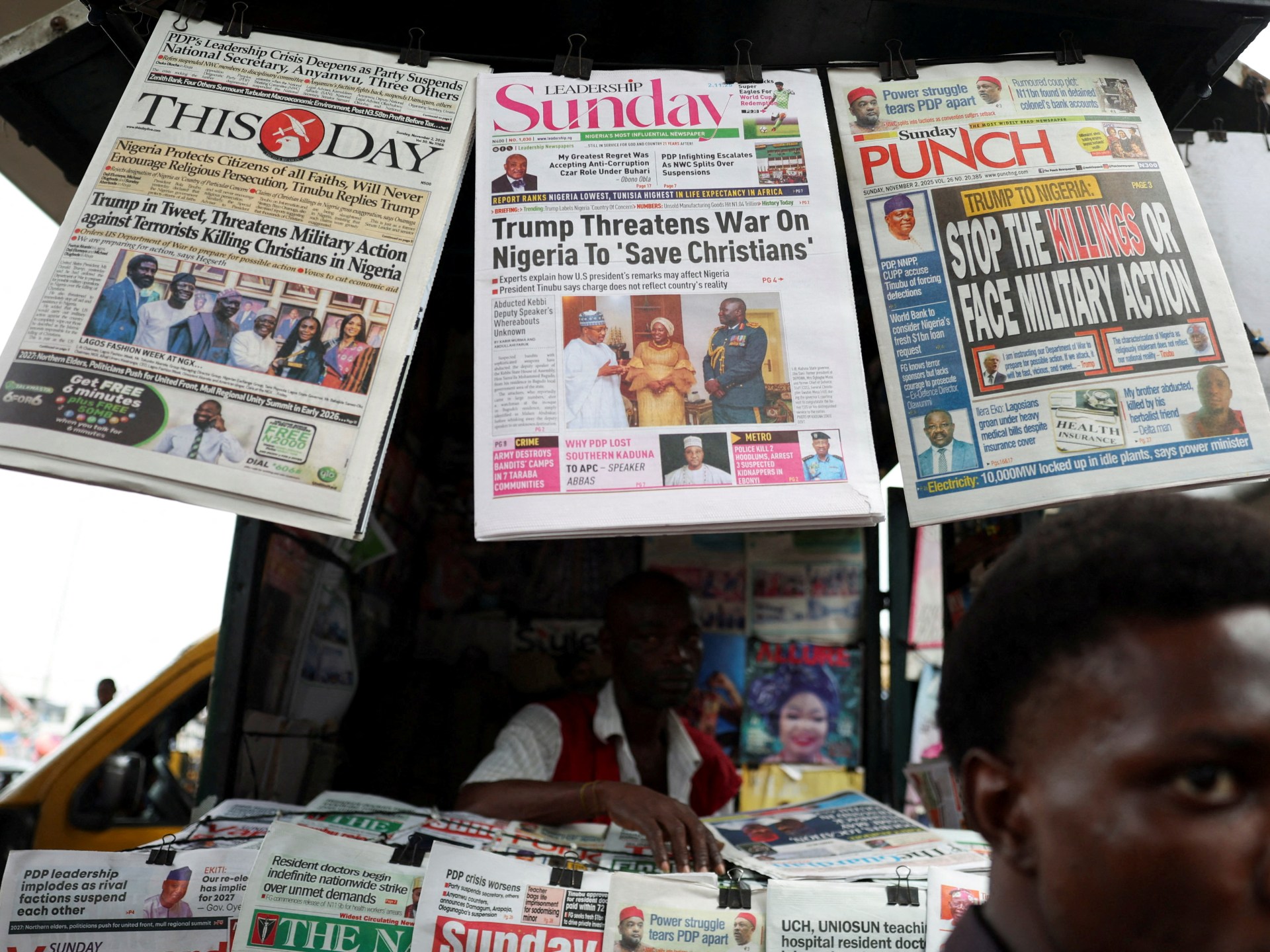
For years, two competing stories have dominated how the world talks about violence in Nigeria. One, favored by Abuja and by many Western diplomats anxious not to inflame religious tension, describes "farmer-herder clashes" fueled by climate change and land pressure , a story of drought and desperation, not design. The other, gaining ground in Washington and in parts of the American press, describes a one-sided Christian genocide, a campaign of Islamist extermination that the Nigerian state is too weak or too complicit to stop.
Both stories are wrong in the same way: each is simple enough to fit a headline, and each misses what is actually happening on the ground. A new six-year compilation of violence data, drawn from Nigerian field partners and cross-checked against the Armed Conflict Location and Event Data Project, points to something messier and, in its way, more alarming than either narrative allows: a mutation of Nigeria's conflict from religious war into ethnic war with a religious face, one that now kills and kidnaps Muslims and Christians alike, for related but distinct reasons, while the group driving it operates with more organization and geographic reach than the jihadist movement that made Nigeria's insecurity famous in the first place.