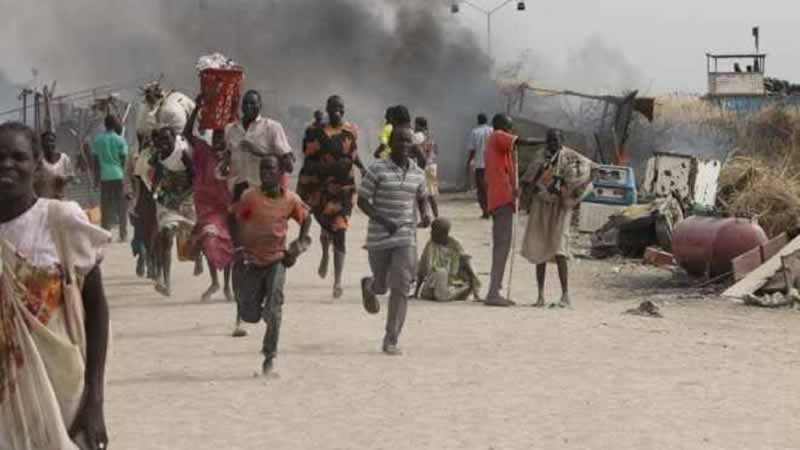
Anywhere one turns in Nigeria today, there is fear everywhere. The nature of this fear is that it does not discriminate. It is universal. It transcends ethnicity, religion, political affiliation, and social status. This fear is known to all. It is the fear of kidnappers and bandits.
Across the nation’s highways, farms, schools, communities, and even places once considered safe, such as churches and mosques, many Nigerians now live with the unsettling reality that danger could strike at any moment.
The media is awash with tales of woe. Hardly a day passes without reports of abductions, attacks on communities, or ransom demands. Travellers think twice before embarking on road journeys. Farmers fear venturing into their fields. Parents worry about the safety of their children in schools. Traditional rulers, religious leaders, businessmen, civil servants, and ordinary citizens alike are no longer insulated from the threat. Some churches are skipping services and avoiding vigils. The fear is real, and it is spreading. More troubling is the growing perception that nobody and no community is completely safe.
The question on the lips of many is: How did Nigeria arrive at this point? We once lived together without fear or favour. People embarked on night journeys without apprehension. Gradually, kidnapping reared its ugly head and was initially confined to specific regions and motivations. Over time, however, it evolved into a lucrative criminal enterprise. Banditry expanded from isolated attacks into organised criminal networks. This ugly development confirms the belief that criminality flourishes when it becomes profitable, and perpetrators face limited or no consequences.