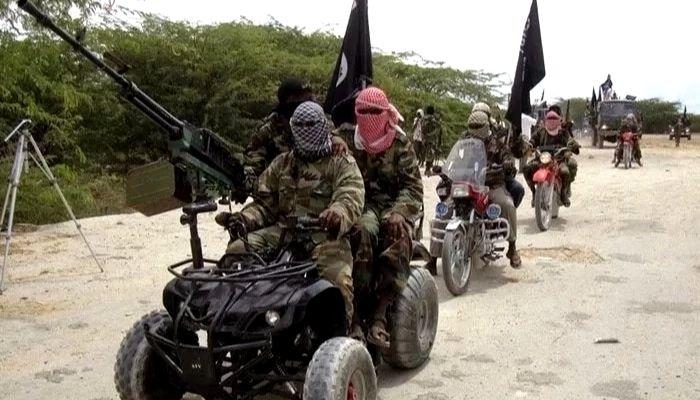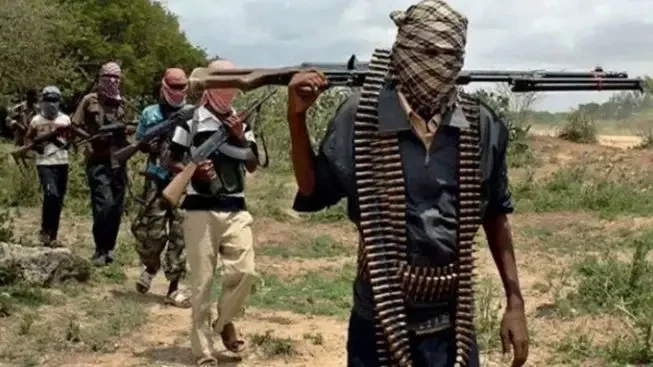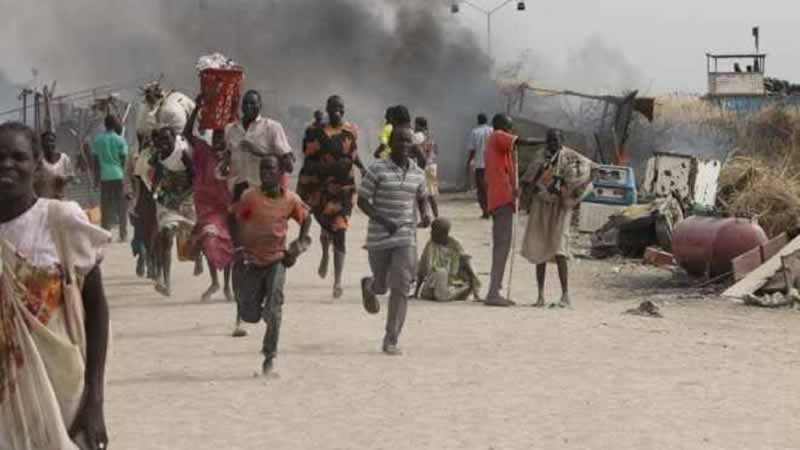
For many Nigerians today, insecurity is no longer treated as an emergency. It has quietly become part of daily life.
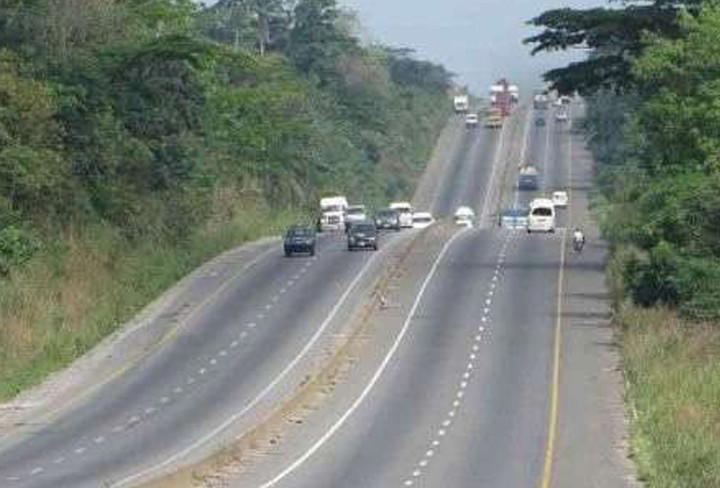
People adjust travel times without hesitation. Businesses close earlier than planned. Parents worry when children leave for school. Drivers avoid certain roads after dark. Conversations about kidnappings, robberies, and violent attacks now happen with disturbing regularity as though danger itself has become routine.
This normalisation may be one of the most dangerous developments in Nigeria’s security landscape.
It is not just the persistence of insecurity, but society’s growing adaptation to it.
A crisis without borders