Once upon a time, terror in Nigeria felt distant to many Southerners. Today, highways, schools, farms, and rural communities across the Southwest increasingly echo the fears long familiar in the Northeast. As kidnappings and massacres spread with chilling frequency, an even darker question emerges, has Nigeria started normalizing bloodshed and fear? Adedayo Adejobi reports.
There was a time when a major terror attack in Nigeria could stop the nation emotionally in its tracks. People argued passionately in buses and market squares. Newspapers carried screaming headlines for days. Student groups marched angrily through campuses. Civil society organisations mobilised protests. Religious leaders thundered from pulpits. The nation mourned loudly because the violence still felt abnormal.
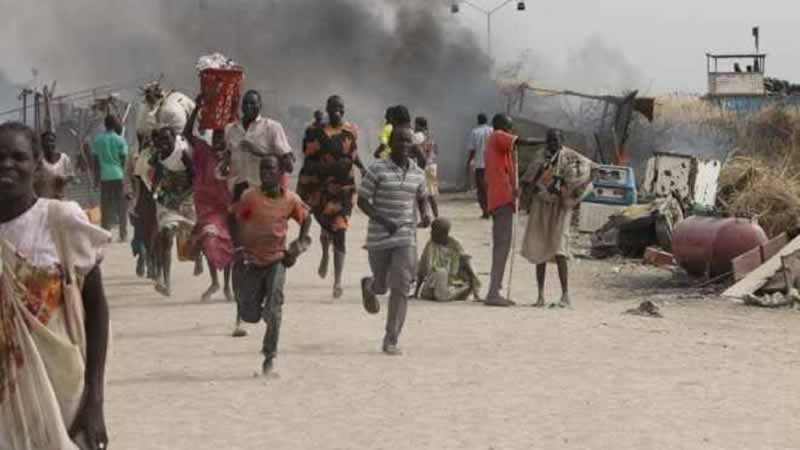
Today, something far more disturbing is happening. Massacres now arrive almost rhythmically. Another highway ambush. Another village raid. Another school attack. Another kidnapping. Another grieving family negotiating ransom payments in silence. Another government condolence statement swallowed quickly by the next tragedy.
The killings continue, but the outrage weakens.
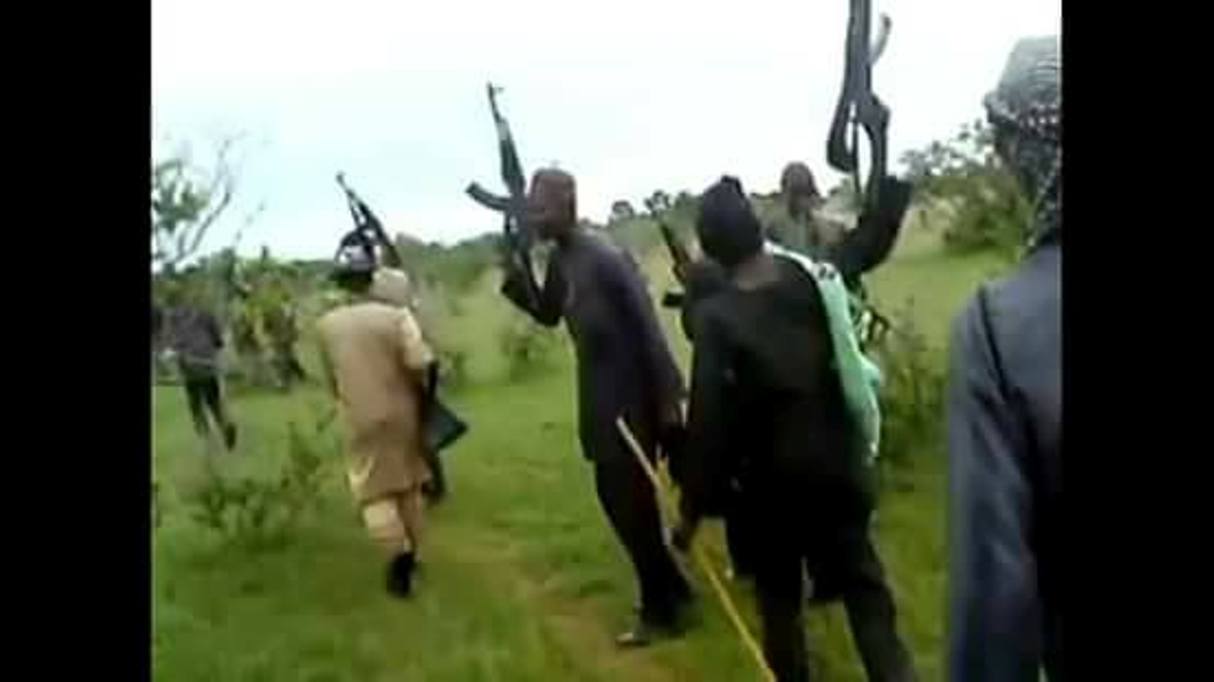
Barely days after the horrifying attacks linked to Ogbomoso, reports emerged of another abduction along the Ogbaku Ejemekwuru Road, where armed men reportedly intercepted travellers and dragged several victims into nearby forests. Across parts of the Southwest and Northeast, fear is no longer episodic. It is becoming woven into ordinary life.