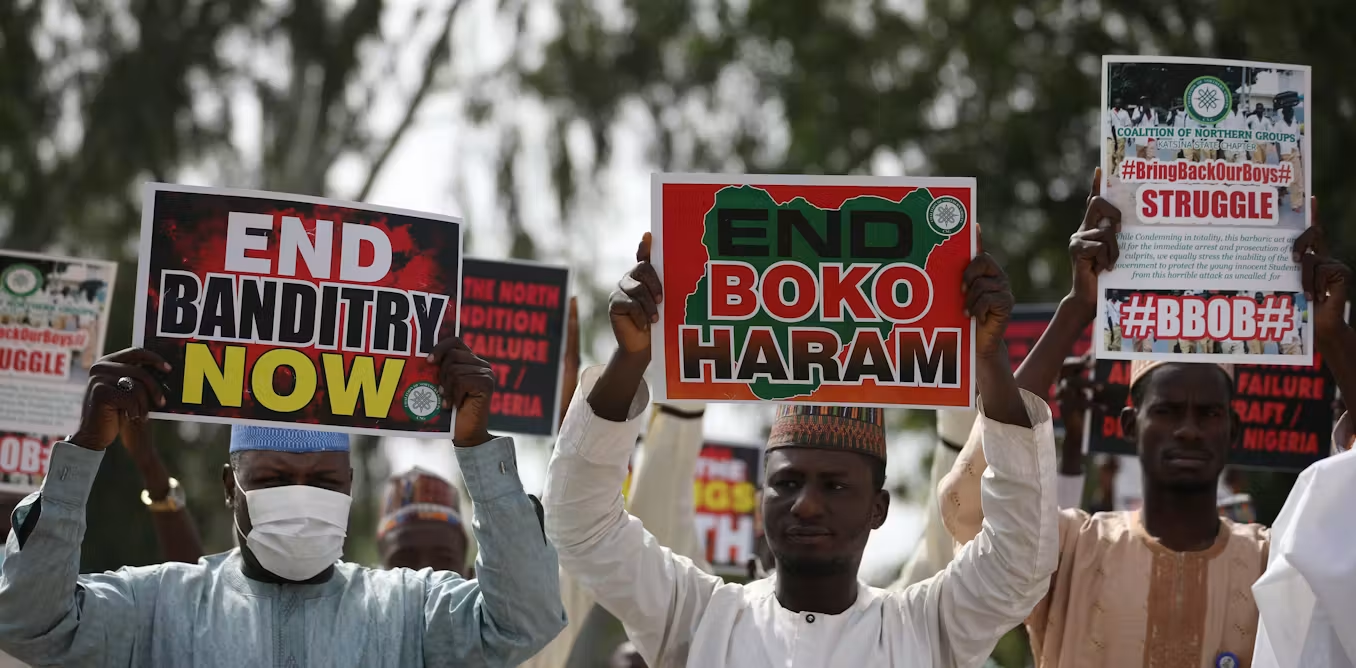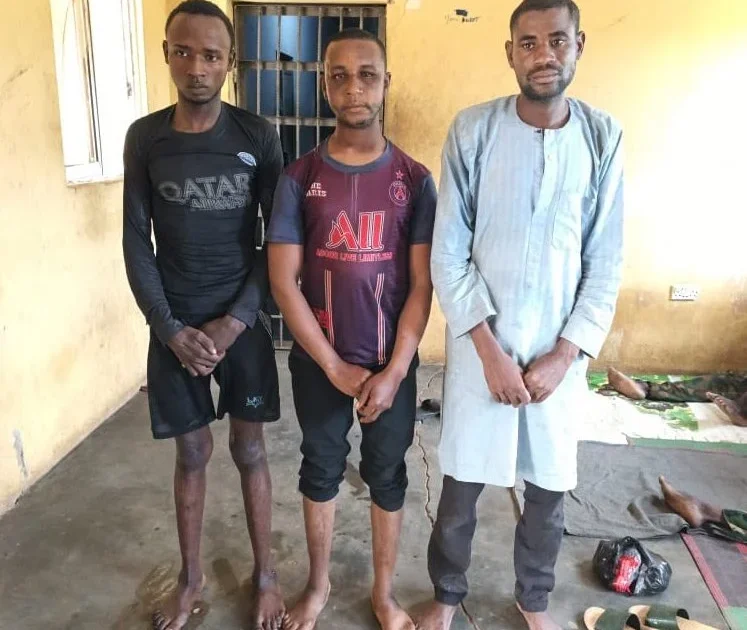
In Nigeria’s war against banditry, the most dangerous weapon is not always in the hands of those pulling the trigger. It is in the hands of those who pass the information. These persons can compound and complicate all efforts.
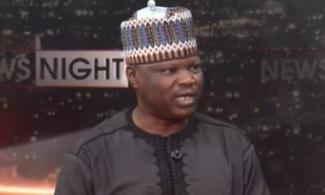
For several days, colleagues repeatedly forwarded a video of Governor Umar Radda lamenting how informants across different spheres are making the fight against banditry in Katsina State more difficult. In the clip, he recounted that within five minutes of concluding a high-level security meeting, a notorious bandit had already been briefed on its outcome.
The question that immediately arises is quite unsettling. How does such sensitive information travel that quickly? Many who sent the clip to me were doing so from a place of innocent curiosity, but not without a hint of expectation. They knew I had at one time been a member of the State Security Council and assumed I understood the inner workings of such meetings. Having watched the clip several times, I noted that the governor was specific in referring to a high-level security meeting, and not a State Security Council session, or in fact a Core Security meeting, which handles day-to-day security issues of the state. Pointedly, however, he did not elaborate on the composition of the meeting or the class of attendees. The distinction is significant, and I will briefly address it.