Nigeria today stands at a troubling crossroads.
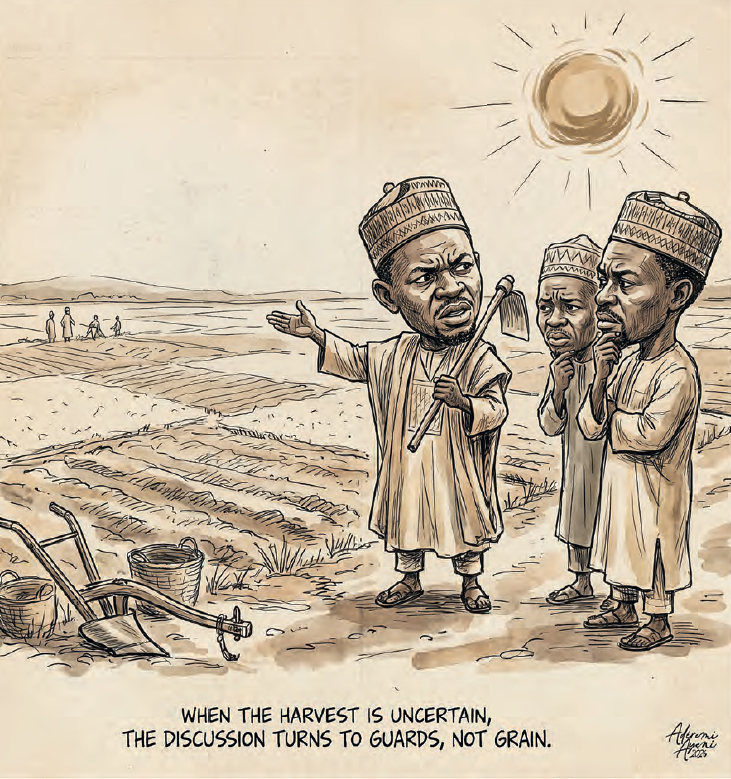
Across vast stretches of the country, fear has become a constant companion of ordinary citizens.
From rural communities to urban centres, from highways once bustling with commerce to schools meant to nurture the next generation, insecurity has cast a long and ominous shadow over the national landscape.
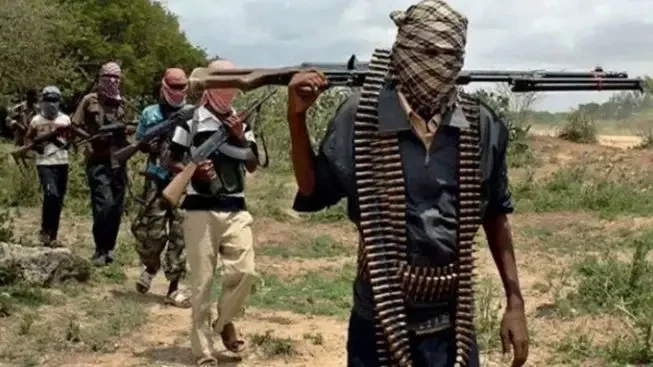
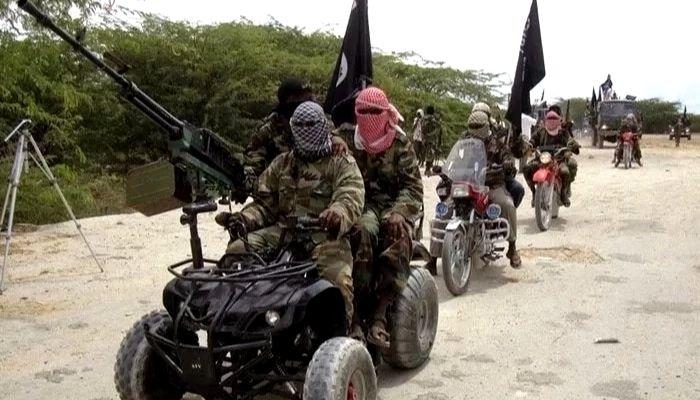
Kidnapping, terrorism, banditry, communal violence, armed robbery, and other manifestations of criminality have combined to create an atmosphere of anxiety that threatens not only lives and property but also the very fabric of national cohesion.
The challenge of insecurity in Nigeria is multidimensional. It is not merely a law-enforcement problem; it is also a political, economic, social, and moral crisis. The persistence of widespread unemployment, poverty, illiteracy, weak institutions, porous borders, and the proliferation of illegal arms has created fertile ground for criminal enterprises to thrive.