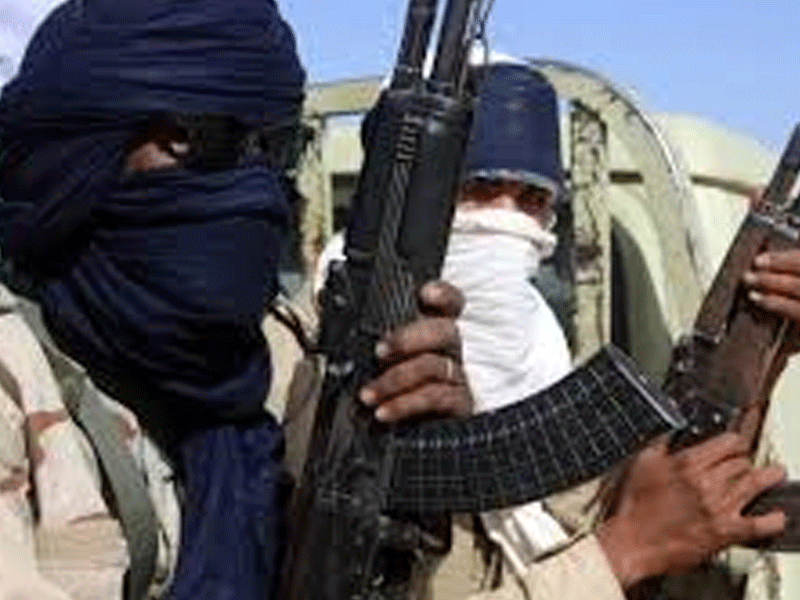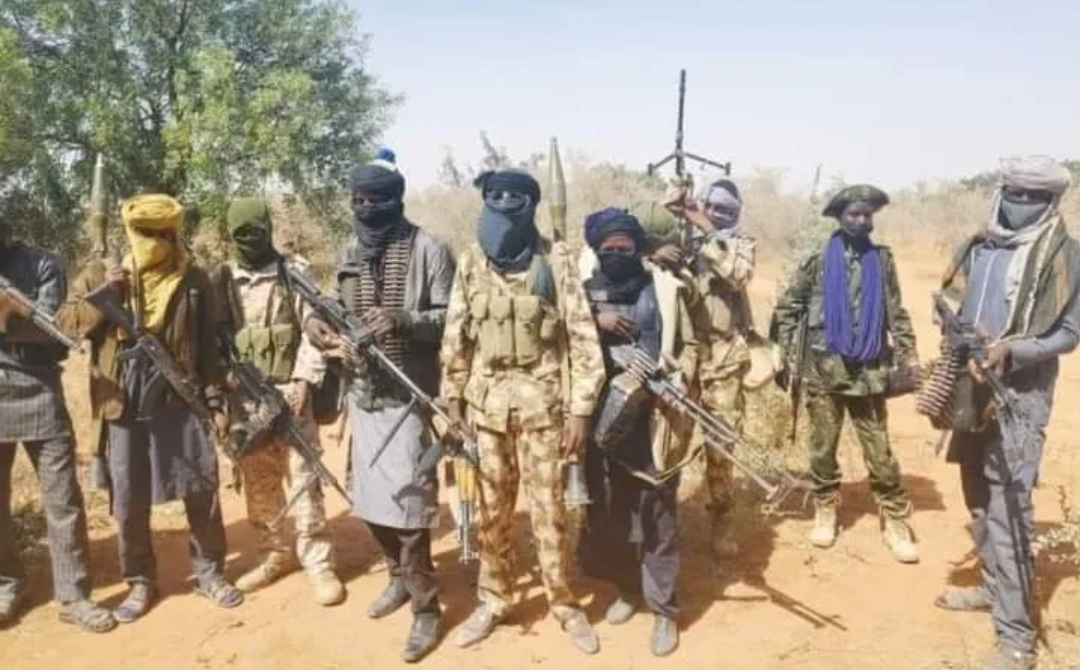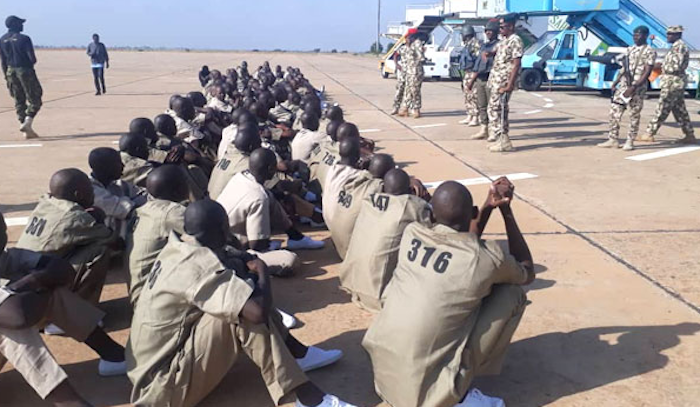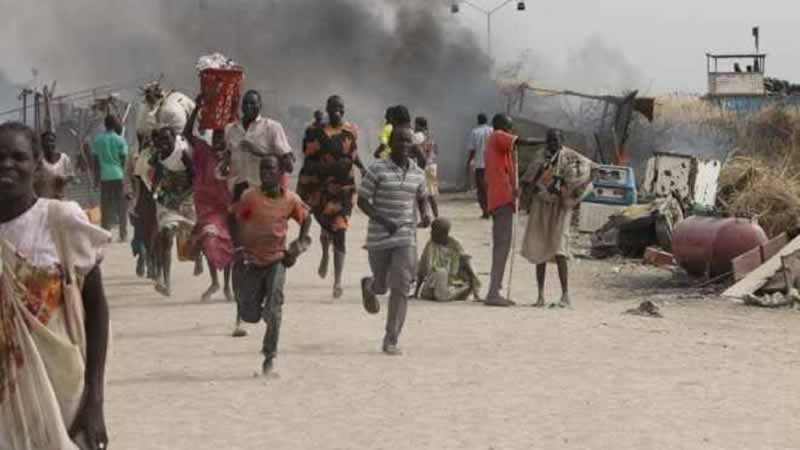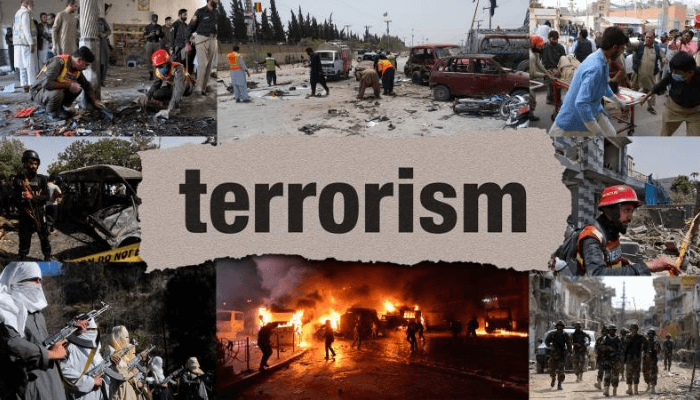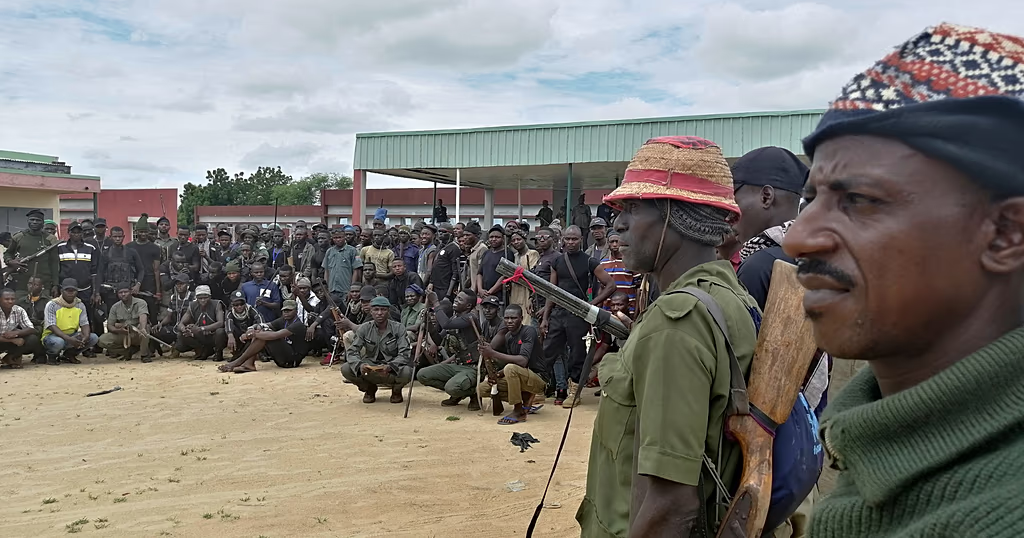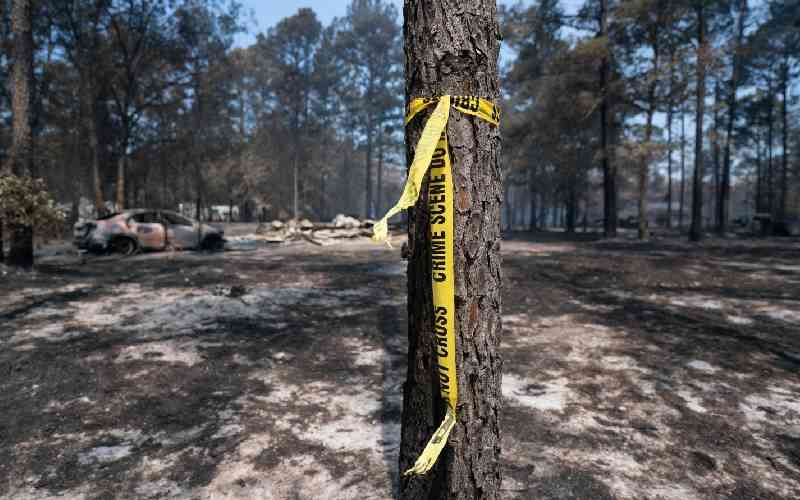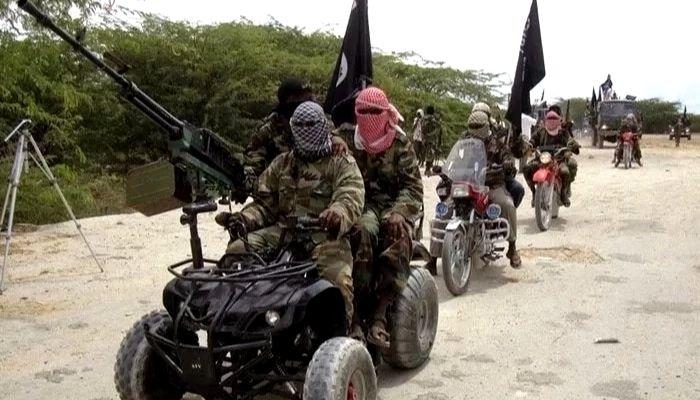
Terrorism, in Nigeria, has moved beyond an ordinary linguistic term to become a term that lies comfortably on the tongues of countless Nigerians. It is the very linguistic term that gains sudden usage and popularity, not only out of curiosity to learn or polish individual vocabulary, but also out of its quiet manifestation in every corner of Nigeria. Nigeria currently experiences not just the linguistic realisation of the term but its real-life confrontation. Movements in Nigeria have recently been regulated, and violence now gains widespread freedom. The Yoruba saying that wrongdoing can only be executed in the night, and not in the day, has become obsolete. Brutality quietly thrives in the day and hunts at night. The very peace that comes with a good sleep has been scourged by anxiety and restlessness. The sovereign power that lives within the state has currently faced a serious dilemma of whether to remain in the state or move towards the terrorists, whose brutal killings and abductions have remained consistent in the country.
This situation is not just alarming; it sends an uncomfortable truth that violence does not respect geography, and brutality seeks no permission to manifest. Brutal killings and abductions are not new realities in Nigeria. They have become happenings that constantly plague some parts of Nigeria. Destruction that waves from a distance does more than harm. It speaks of a message, of caution and of active control which, if neglected, might reduce a whole country to mere ashes. Consequently, the circulation of these inhumane acts results in public outcries by many Nigerians learning, too late, that devastation does not discriminate, and abduction hits differently when silence presides over communal vigilance. Residents recently live in fear and terror, constantly doubting the efficacy of the existing security measures. What this reflects is not just growing suspicion. It is the vulnerability of people who lack adequate trust in Nigeria’s security architecture.