Iyobosa Uwugiaren argues that terrorist groups thrive on visibility, publicity, and fear. Every time society exaggerates their power beyond reality, their psychological influence expands, communities become more intimidated, victims become more isolated, citizens lose faith in institutions, and security personnel become demoralised.
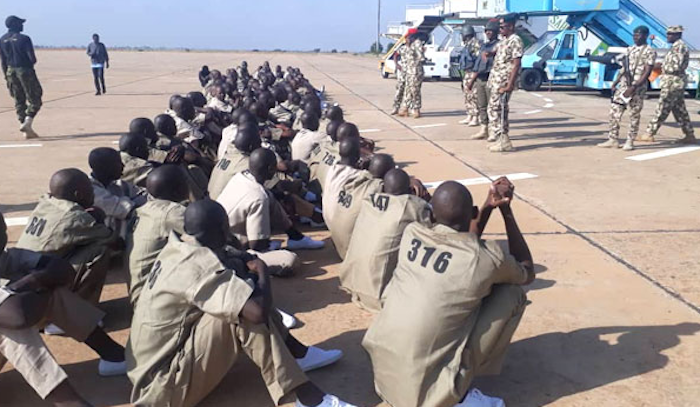
In the widely circulated footage linked to the recent abduction of school children in Oyo State, frightened children appeared exhausted, traumatised, and psychologically broken. Their faces reflected confusion and fear. Across the country, parents watched with horror. Social media exploded with outrage. State and federal government authorities panicked.
The emotional impact of the incident travelled faster than the facts themselves. The disturbing and terrifying video was painful to watch.
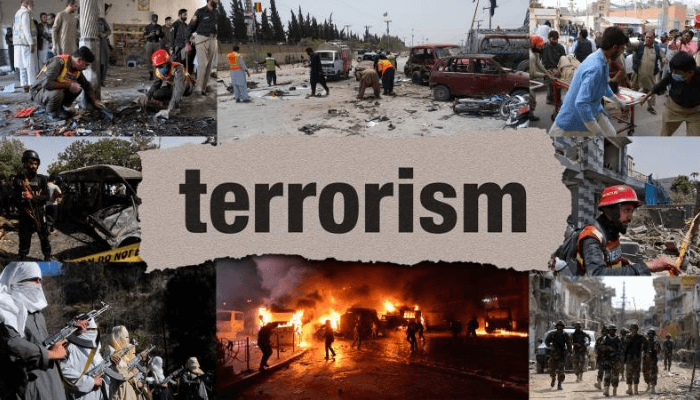
However, beyond the immediate tragedy lies a deeper and more dangerous reality: terrorism and banditry in Nigeria are no longer only about physical violence. It is increasingly about psychological warfare.
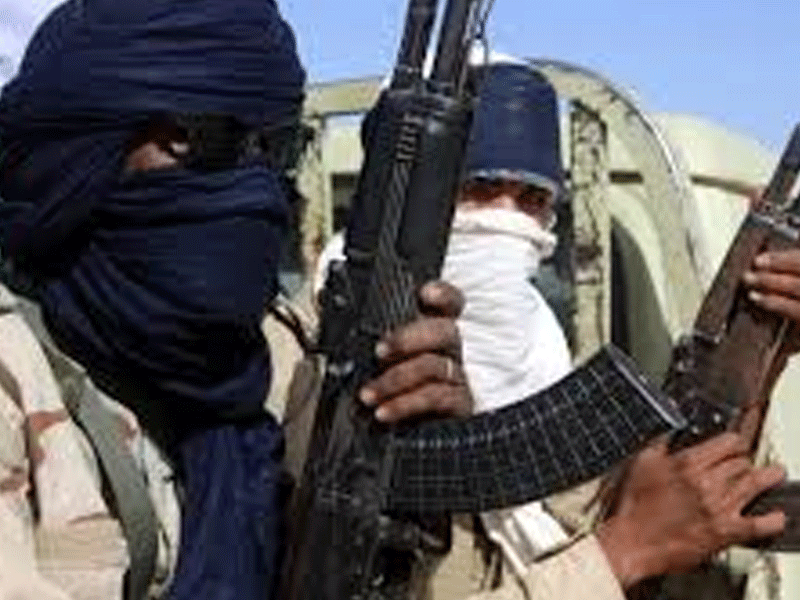
The objective of many violent groups today extends beyond kidnapping, killings, or ransom collection. They seek to dominate public imagination through fear, humiliation, propaganda, and spectacle. Every viral video, frightening image, exaggerated rumour, and panic-driven conversation strengthens their psychological influence.