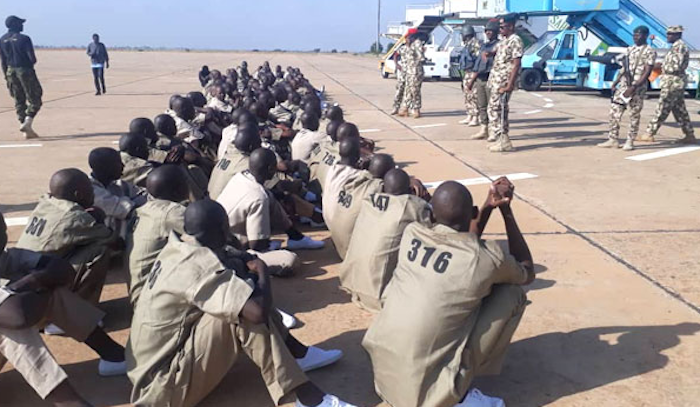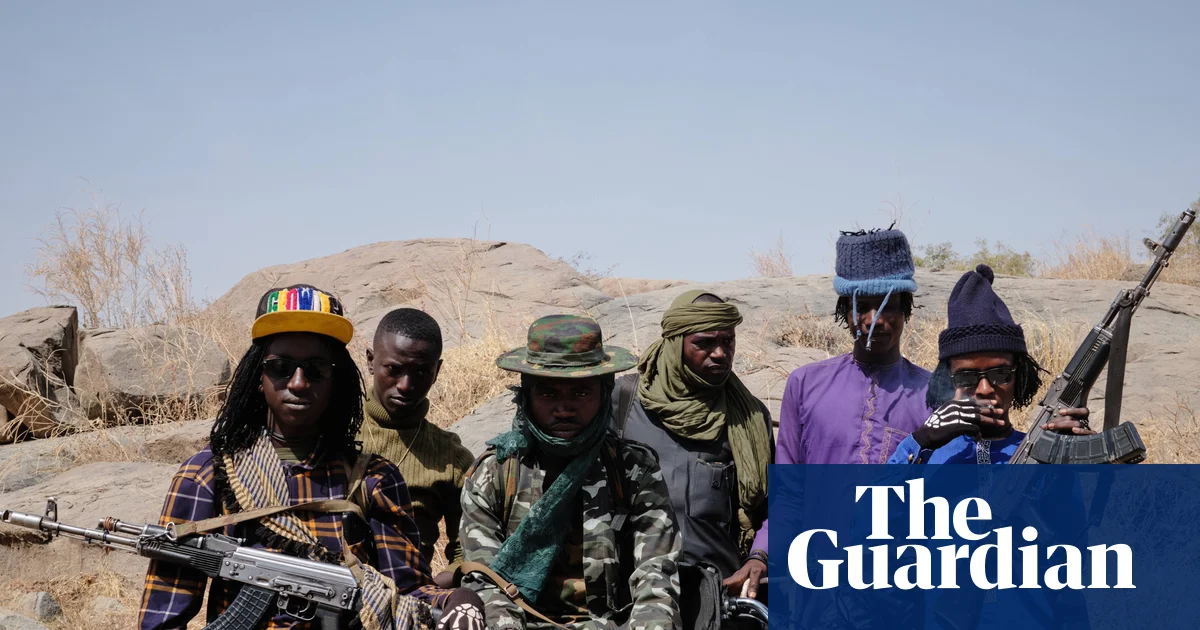
For over a decade, Nigeria has been locked in a gruelling war of attrition. From the blood-soaked plains of the Northeast, where Boko Haram and ISWAP splinter cells mutate, to the dense forests of the Northwest, Middle Belt and South West, where ruthless bandit cartels execute mass kidnappings with impunity, the nation is bleeding.
Despite billions of naira funnelled into defence budgets, the Nigerian military frequently appears as hapless as the civilian population it is sworn to protect. Troops are overstretched, intelligence is habitually compromised, and conventional infantry tactics are failing against a fluid, asymmetrical enemy. Public anxiety is mounting.
Meanwhile, thousands of miles away in Eastern Ukraine, a radical blueprint for modern survival is being drafted. Facing a severe manpower crisis and relentless aggression, Kyiv has digitised its frontline. As detailed by CNN’s Nick Paton Walsh, the Ukrainian military is increasingly relying on an “unmanned army”, a network of reconnaissance drones, remotely piloted ground vehicles, and automated machine-gun nests operated by soldiers sitting in gamer chairs miles away from danger.
If Nigeria is to rescue its citizenry from the brink of total insecurity, the defence headquarters must abandon mid-20th-century conventional warfare. It must embrace Ukraine’s brutal, brilliant realisation that in the face of a manpower crisis and an elusive enemy, technology must do the bleeding.