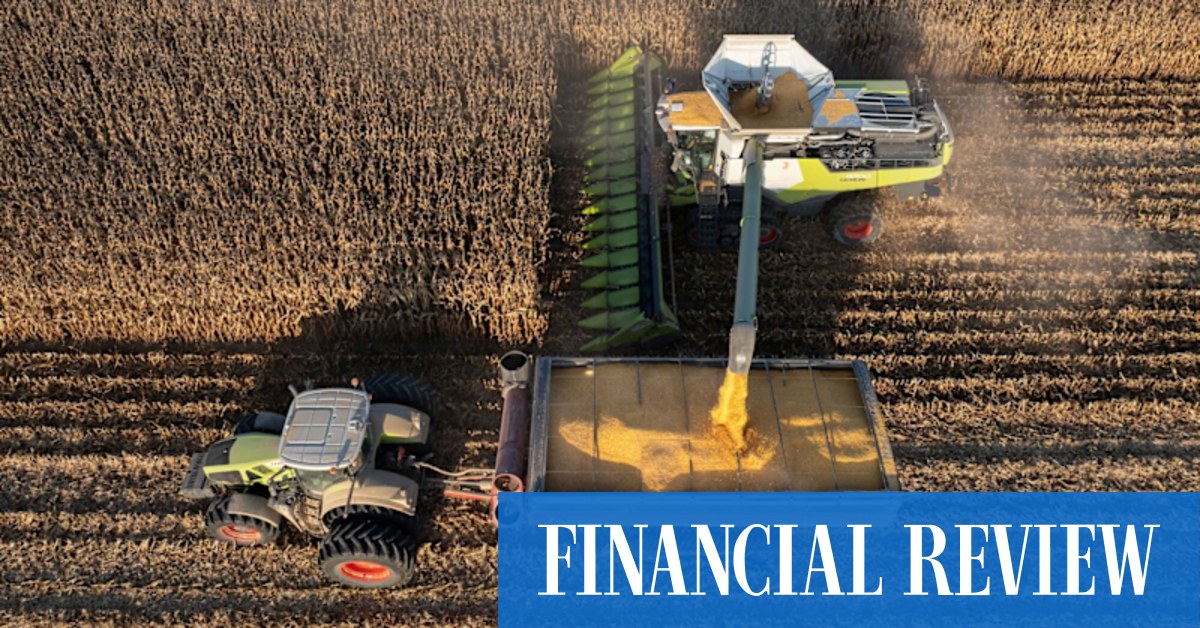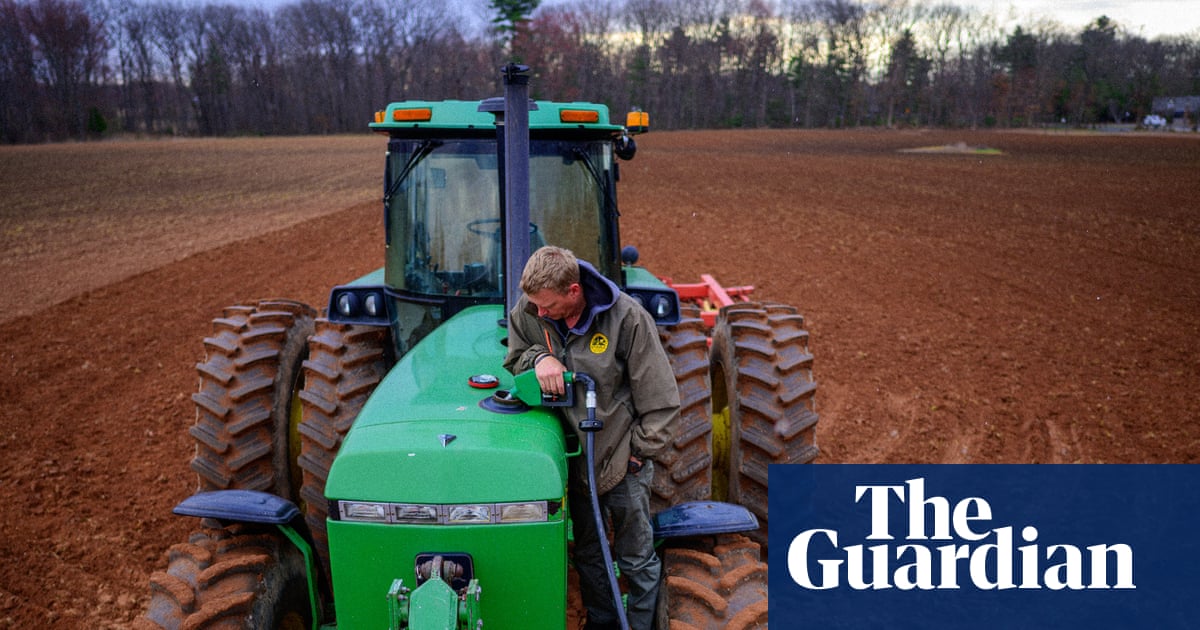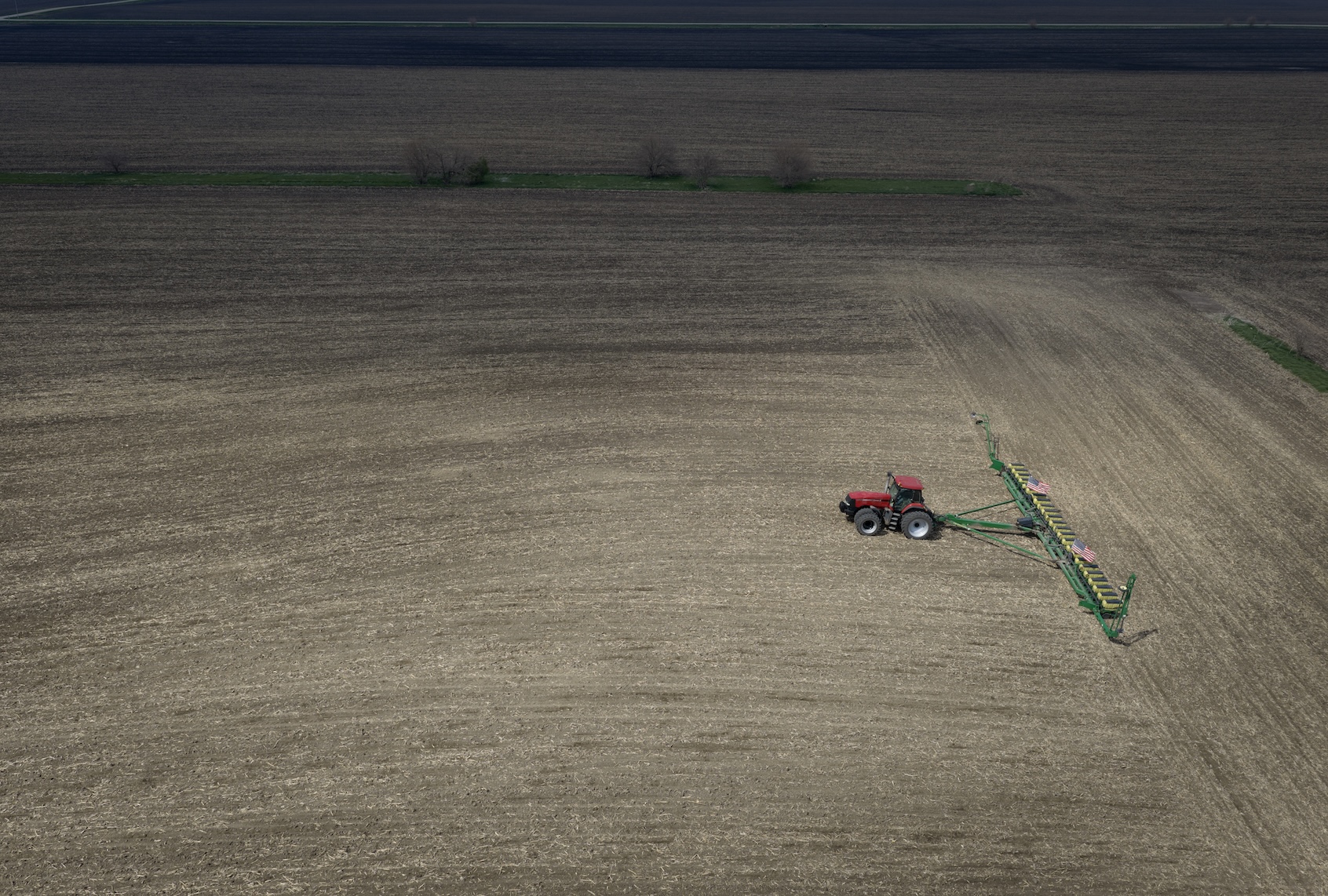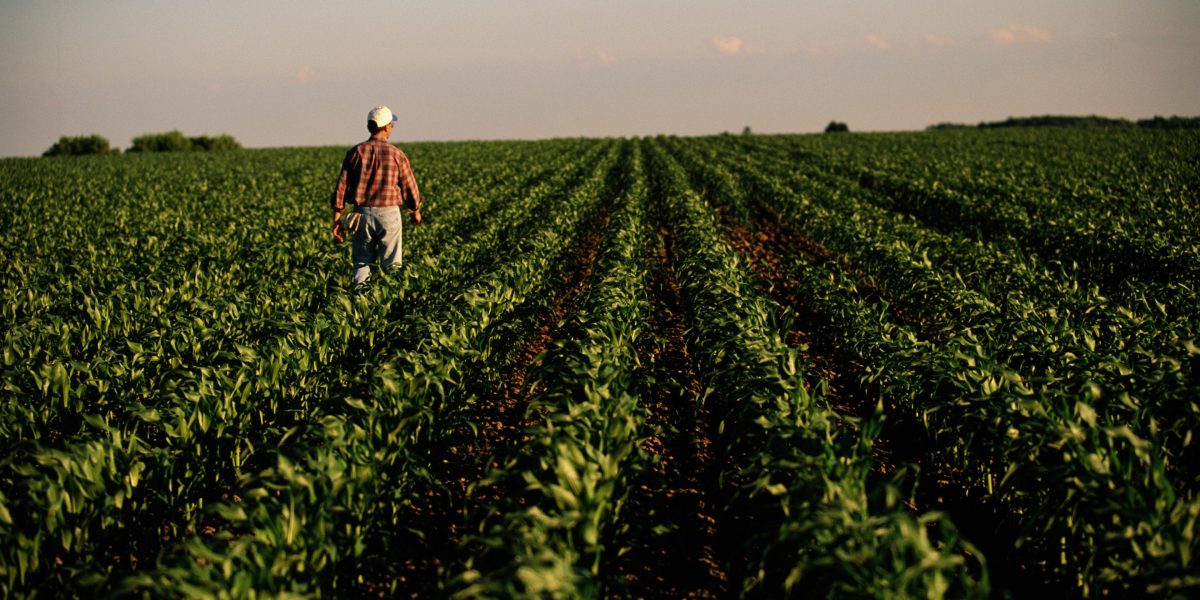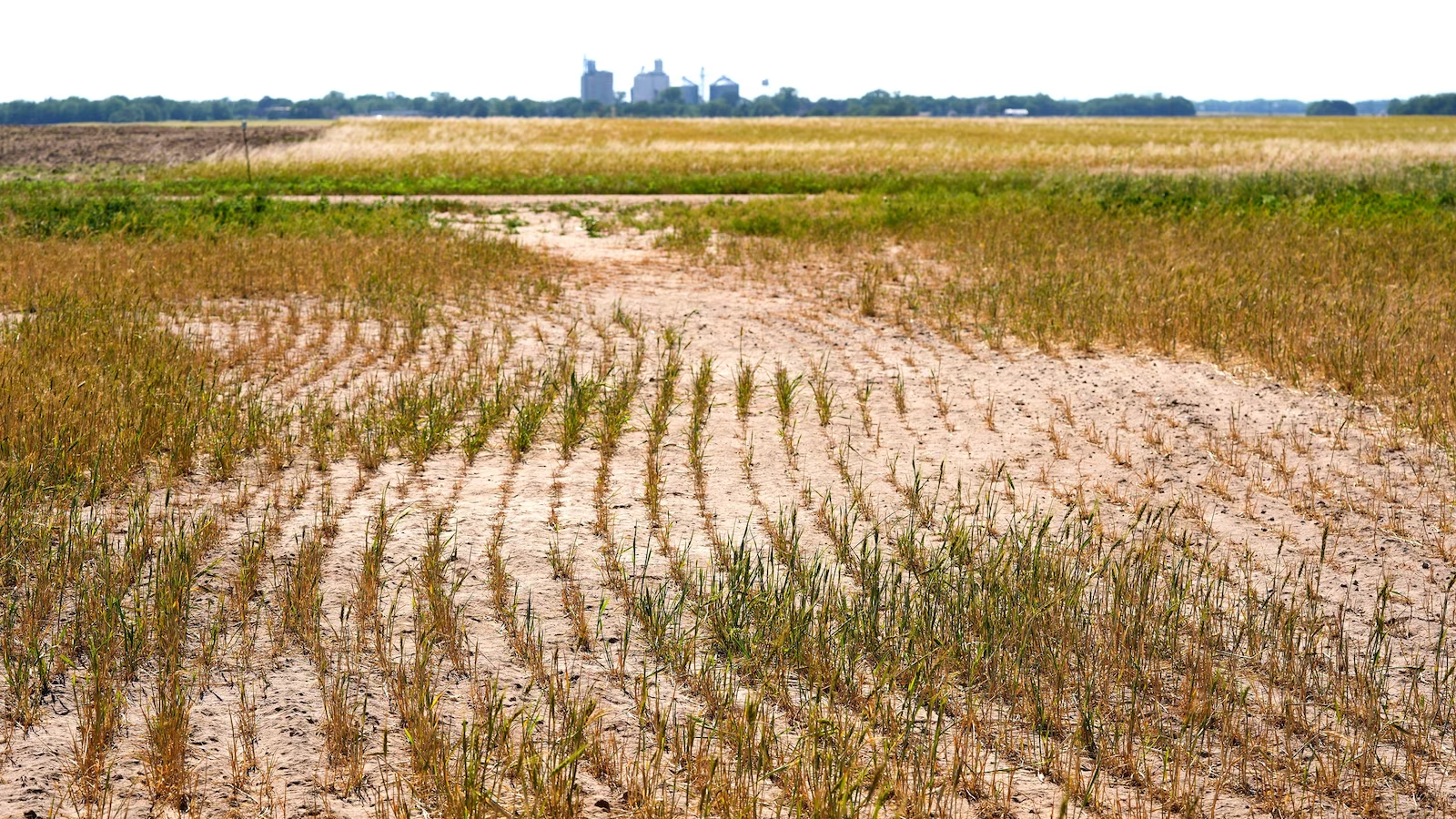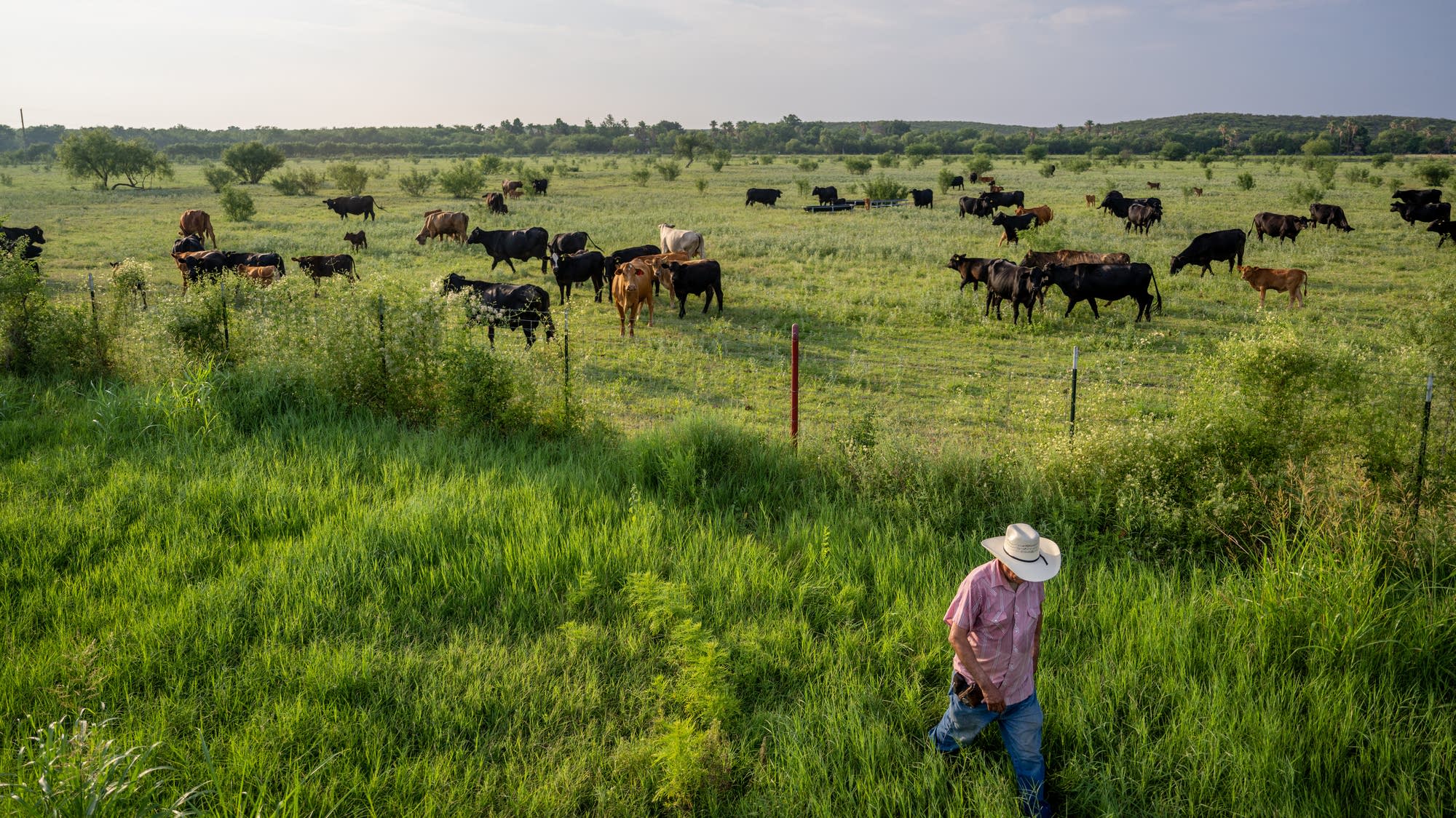
American farmers and ranchers are staring down a lot of financial pressure: fuel and fertilizer prices, the war in Iran, tariffs, drought, and more.In the West, it’s that time when ranchers move their cattle to public grazing lands, so the cattle can eat. But the summer pasture that normally feeds cattle through the fall isn’t very green and lush this year.“The big word is drought,” said Jim Magagna, executive vice president of the Wyoming Stockgrowers Association. That means ranchers are looking to buy hay, Magagna said. Extra hay can cost $30,000 on the low end, and hundreds of thousands on the high end. Ranchers’ other option, he said, is to sell off some of their livestock. Selling could pad ranchers pockets right now, and Magagna advised ranchers to hold onto that cash. “It may sorely be needed in 2027, 2028 and beyond,” he said, because financial woes are growing for those who live off the land. “So many farmers are reporting, you know, that they're kind of on the brink of a crisis situation,” said Aaron Lehman. A fifth-generation farmer, he grows corn, soybeans, and oats, and is president of the Iowa Farmers Union. Lehman said his costs are soaring, and so are his neighbors’, for labor, health insurance, fuel, and fertilizer.“For a medium sized farm like mine, they had an increase in costs of about $20,000,” he said.Last December, the White House announced a $12 billion aid package for farmers. And recently, the White House said China will purchase billions of agricultural products from U.S. farms. But Lehman is not encouraged by that development. “Farmers don't know exactly what to think. They hear some vague news and vague promises and then there's nothing concrete about it,” he said.That instability shows up at the bank. Nick Levendofsky, executive director of the Kansas Farmers Union, said lenders are backing off. “They're looking at projections and it shows, you know farm income is going to be down,” he said. And without that money, “it can mean big problems.”Cash-strapped farmers might be forced to get another job in town or sell land to cover what’s owed, Levendofsky said. Or, close up shop altogether.
Many farmers, ranchers stare down an economic crisis
Across the U.S., farmers and ranchers are struggling to weather a growing season plagued by drought, high prices, and a trade war.
360 words~2 min read