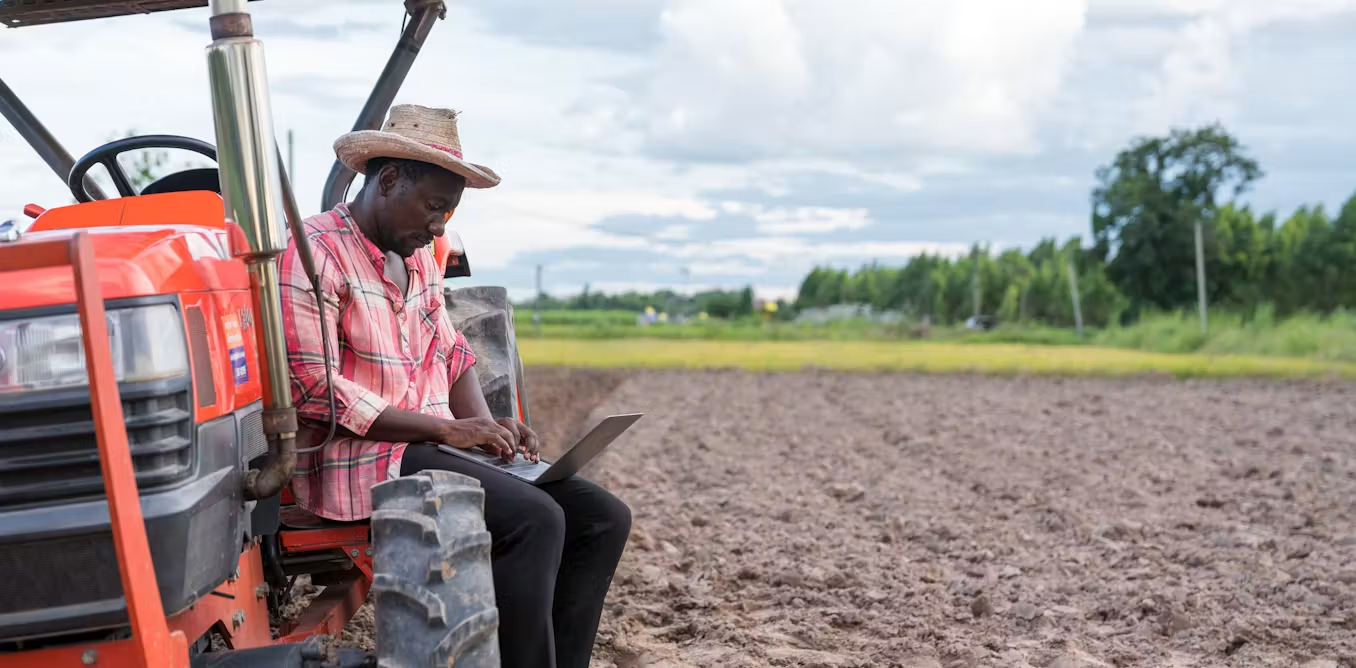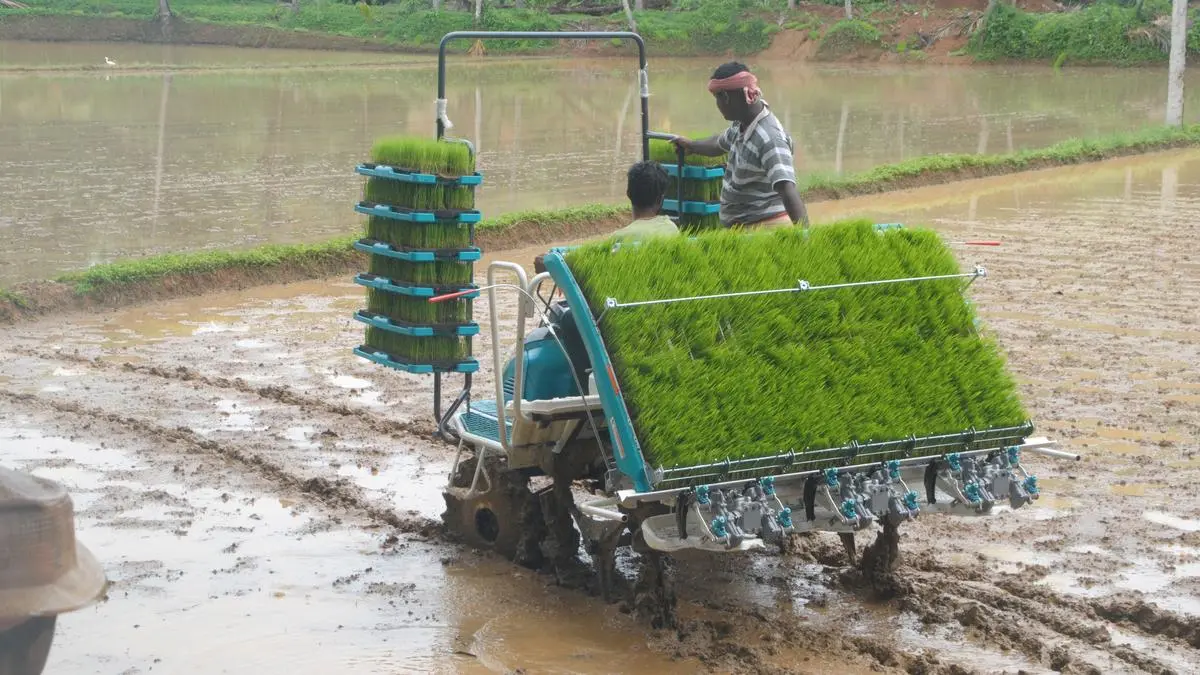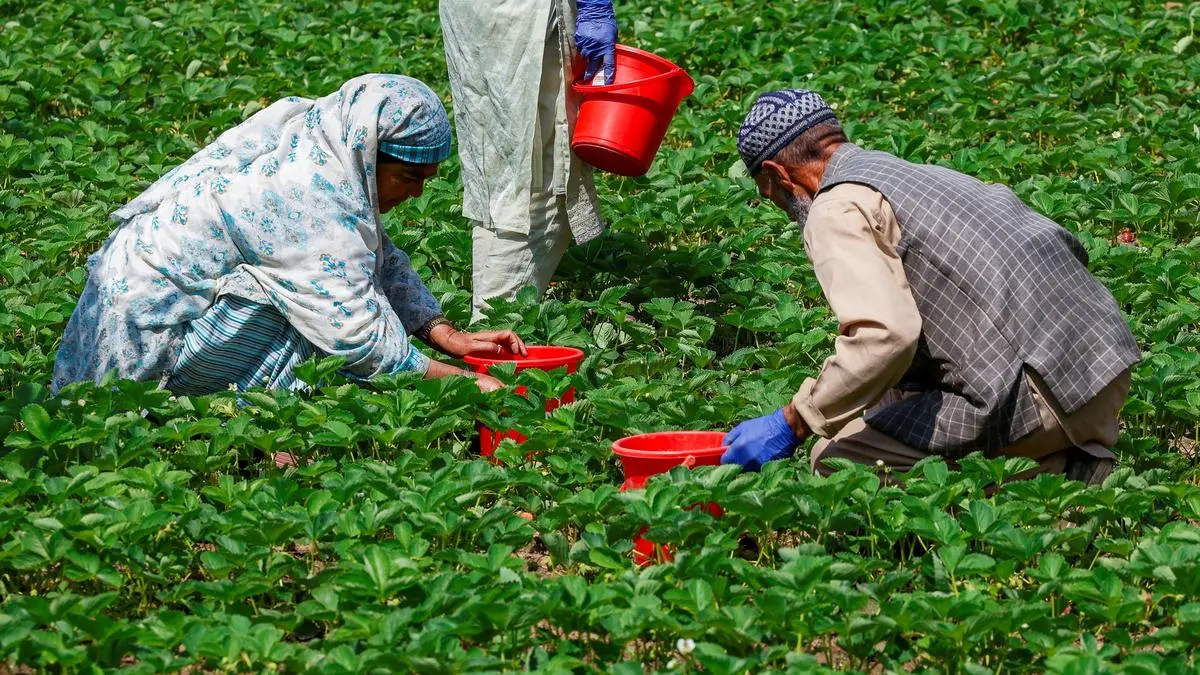
Every few months, India’s agriculture debate circles back to the same pressure points: minimum support prices, loan waivers, subsidies and agri-tech funding. These conversations matter. But they consume so much oxygen that a quieter, structural gap rarely gets the attention it deserves. The gap is not at the extremes. It’s in the middle.Most Indian farmers are not waiting for a smarter app or a combine harvester. They are waiting for something far more basic: a compact, affordable machine that fits their land, their crop and their budget.The numbers that tell the real storyIndia is, at its core, a smallholder farming country. According to the Agriculture Census of 2015–16, the average landholding is just 1.06 hectares, with nearly 86 percent of holdings classified as small and marginal — below two hectares. Many are further fragmented by family partitions that never make it into official records.Against this reality, mechanisation levels tell a sobering story. Overall, India averages around 45 percent mechanisation dropping to just 33 percent for weeding and 34 percent for harvesting. Europe and North America exceed 90 percent. Farm power availability stands at 2.48 kW per hectare, well below the desired benchmark of 5 kW. India is operating at less than half the farm power capacity that modern agriculture requires.Falling back on manual labour is no longer viable either. The PLFS data show a steady decline in agricultural workforce share from 46.5 percent in 2020–21 to 45.5 percent in 2021–22. Labour is costlier, scarcer and less reliable at peak seasons. The old model of going big or going manual is quietly becoming obsolete.The missing middle no one talks aboutWhat’s needed is not a breakthrough innovation. Mini tillers, power weeders and compact harvesting machines already exist. What’s missing is the scale of awareness, distribution and financing to get them to the farmers who need them most.Across diverse agricultural regions, one pattern is consistently clear: when the right equipment becomes accessible, adoption follows quickly. Demand is rarely the constraint. Access is.For marginal farmers, the biggest hurdle is affordability. Institutional credit is overwhelmingly skewed towards crop loans. Small-ticket mechanisation loans barely register. Land mortgage requirements exclude lessee farmers entirely. The result is a trap farmers cannot afford to mechanise, so productivity stagnates, so they cannot accumulate the resources to eventually do so. Leasing models, group ownership, and pay-as-you-use systems linked to cooperatives or self-help groups could break this cycle. The ideas exist; the push hasn’t been strong enough.Beyond productivityMechanisation’s impact runs deeper than output per acre. When a farmer gets timely access to the right tool, it changes decisions about what to plant, when to harvest, how much risk to take. A gender dimension rarely gets discussed: a disproportionate share of physically demanding farm work falls on women. Smaller, lighter powered machines reduce this burden without waiting for sweeping social change.Where policy has gone wrongIndia’s mechanisation policy has been structurally skewed toward tractors and large harvesters suited to expansive holdings not to the fragmented plots that define Indian farming. Custom hiring centres, positioned as the solution, have had limited success because they predominantly deploy machines too large for small landholdings. Access was theoretically created. Meaningful adoption did not follow.The pivot needed incentives for compact equipment, support for local small-machine manufacturing, and financing redesigned for sub-two-hectare holdings has not yet materialised at scale.India’s agricultural transformation will not arrive through bigger machines or broader slogans. It will come by closing the gap in the middle quietly, practically, and at scale.The author is Chairman, KisanKraftPublished on May 30, 2026
The missing middle of Indian agriculture: Why small-farm mechanisation is the next big reform
Explore how small-farm mechanisation can transform Indian agriculture by addressing the critical gap in middle-scale farming.
583 words~3 min read