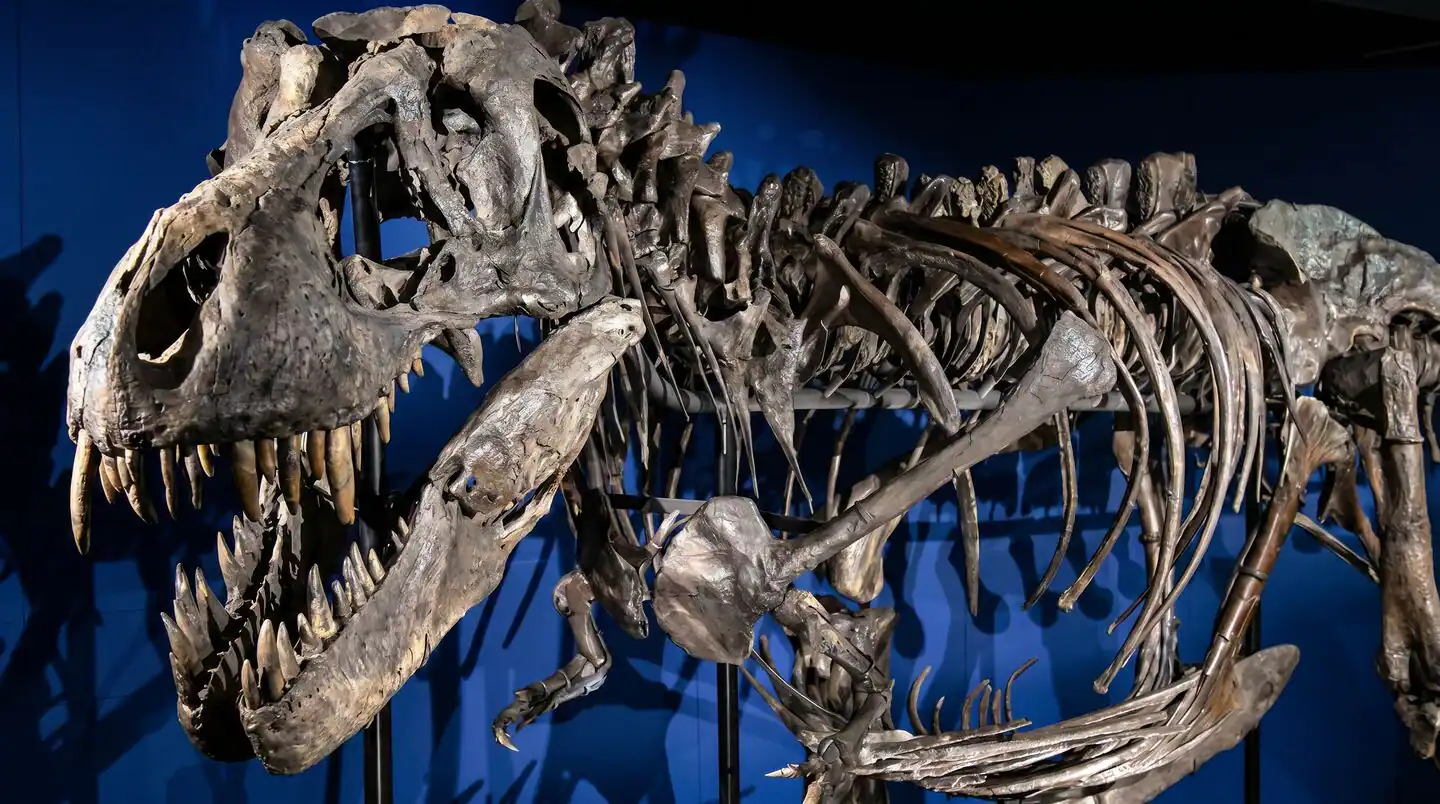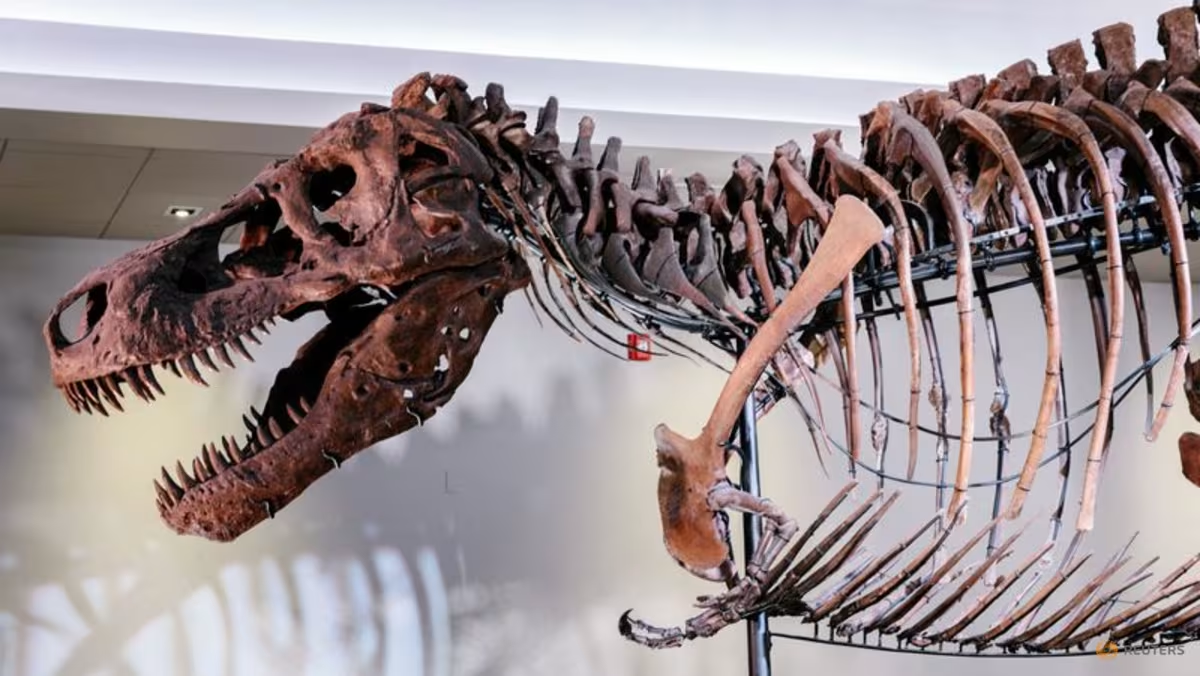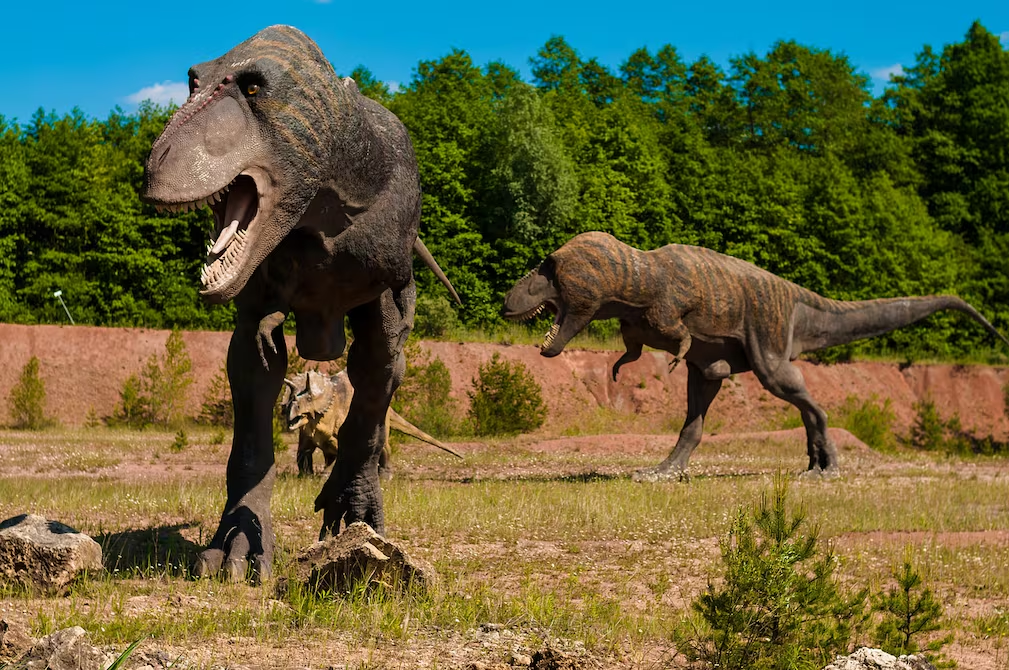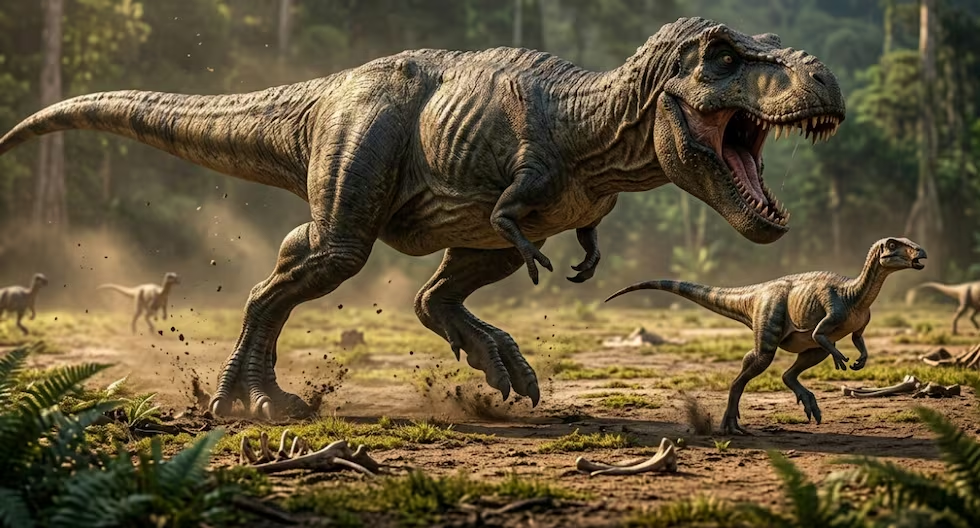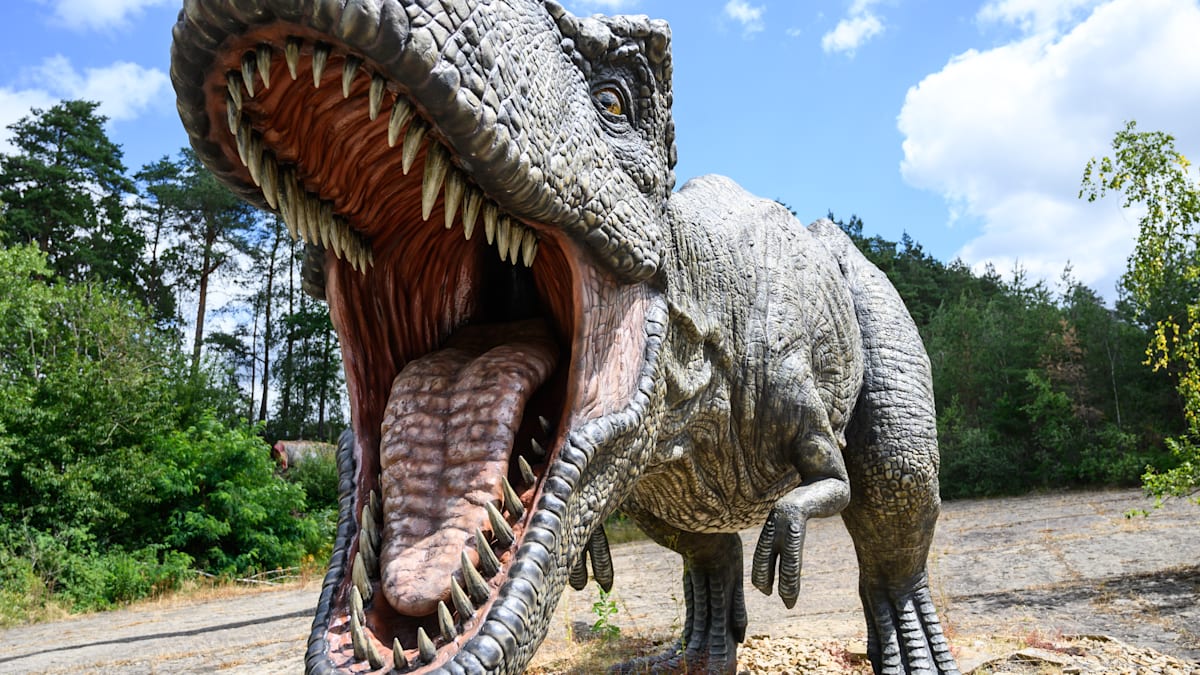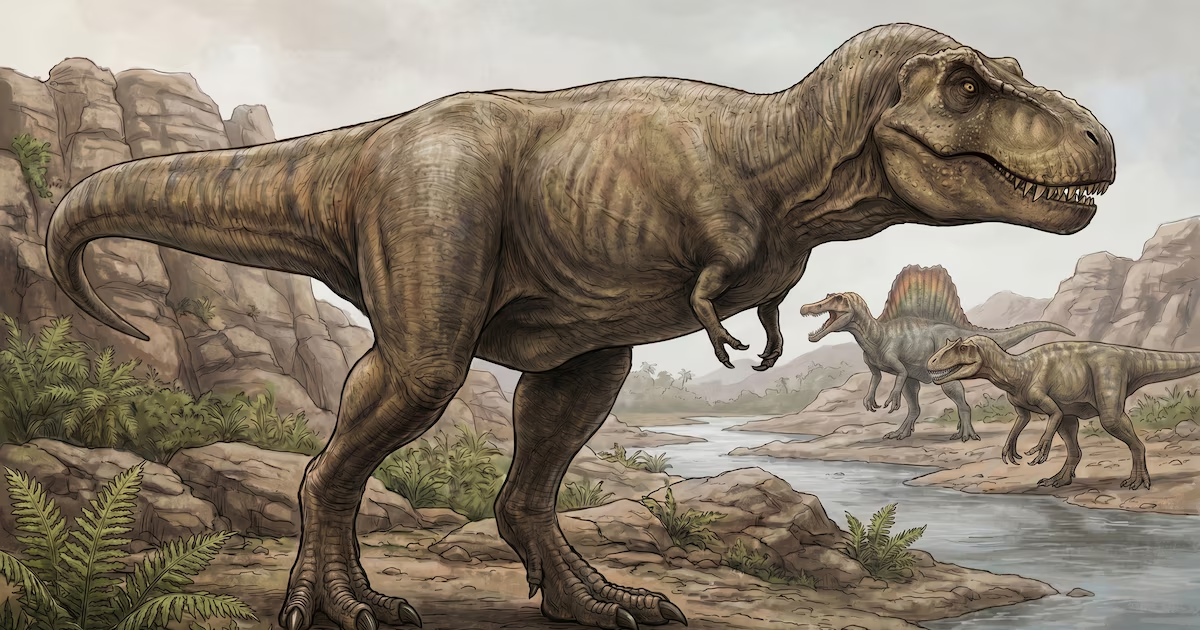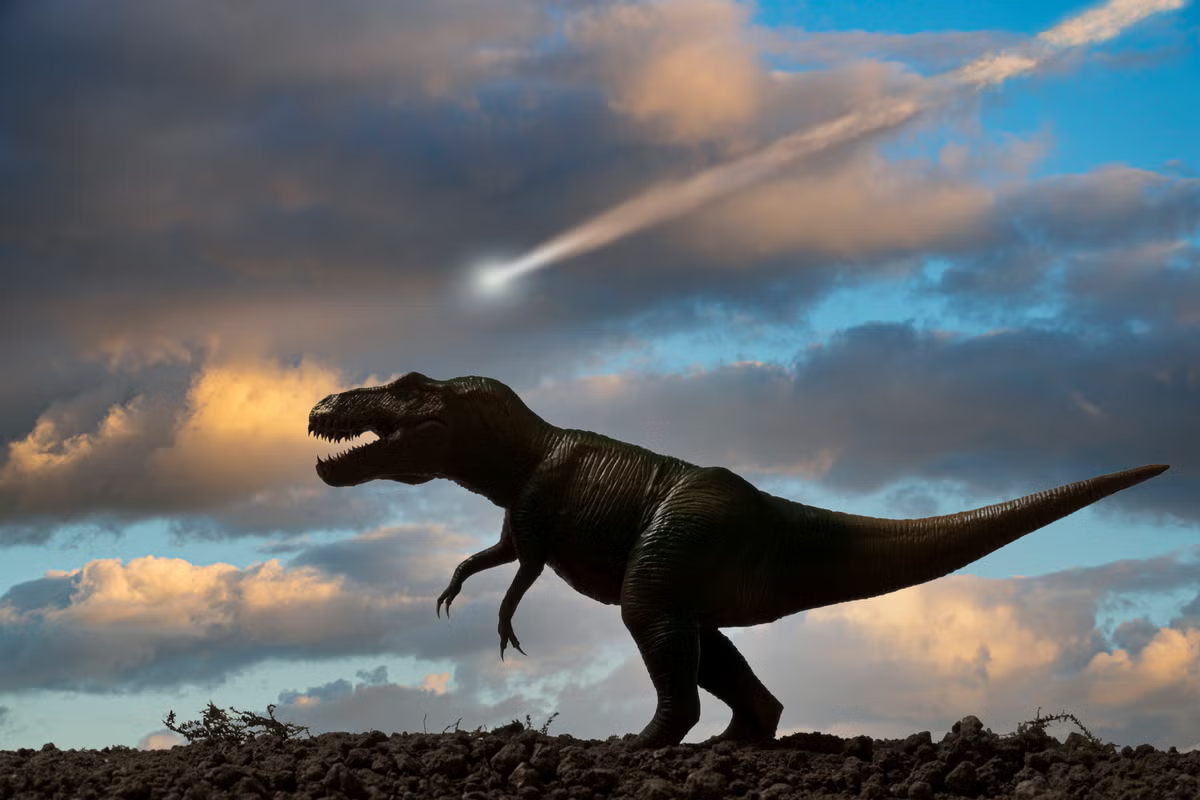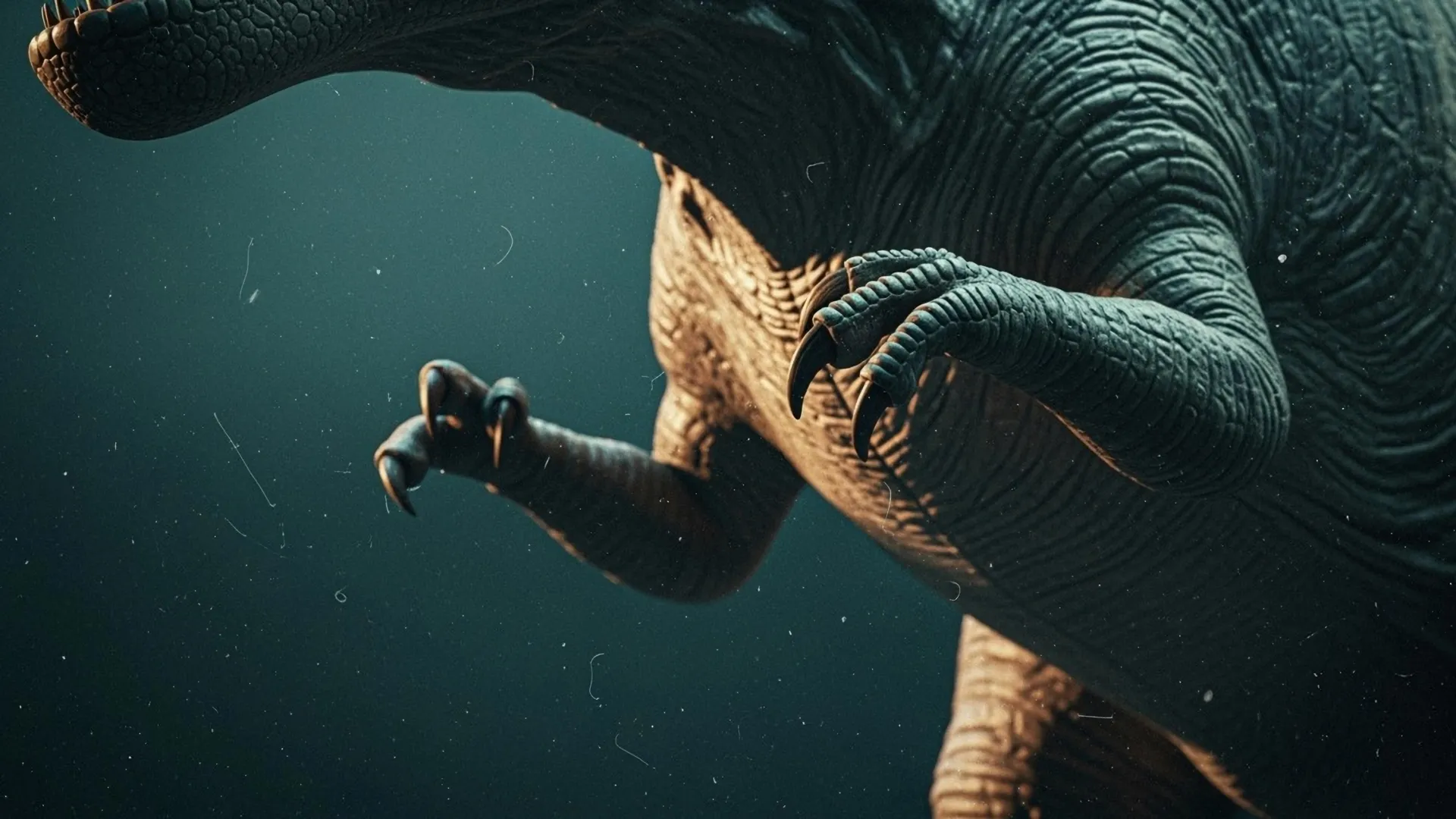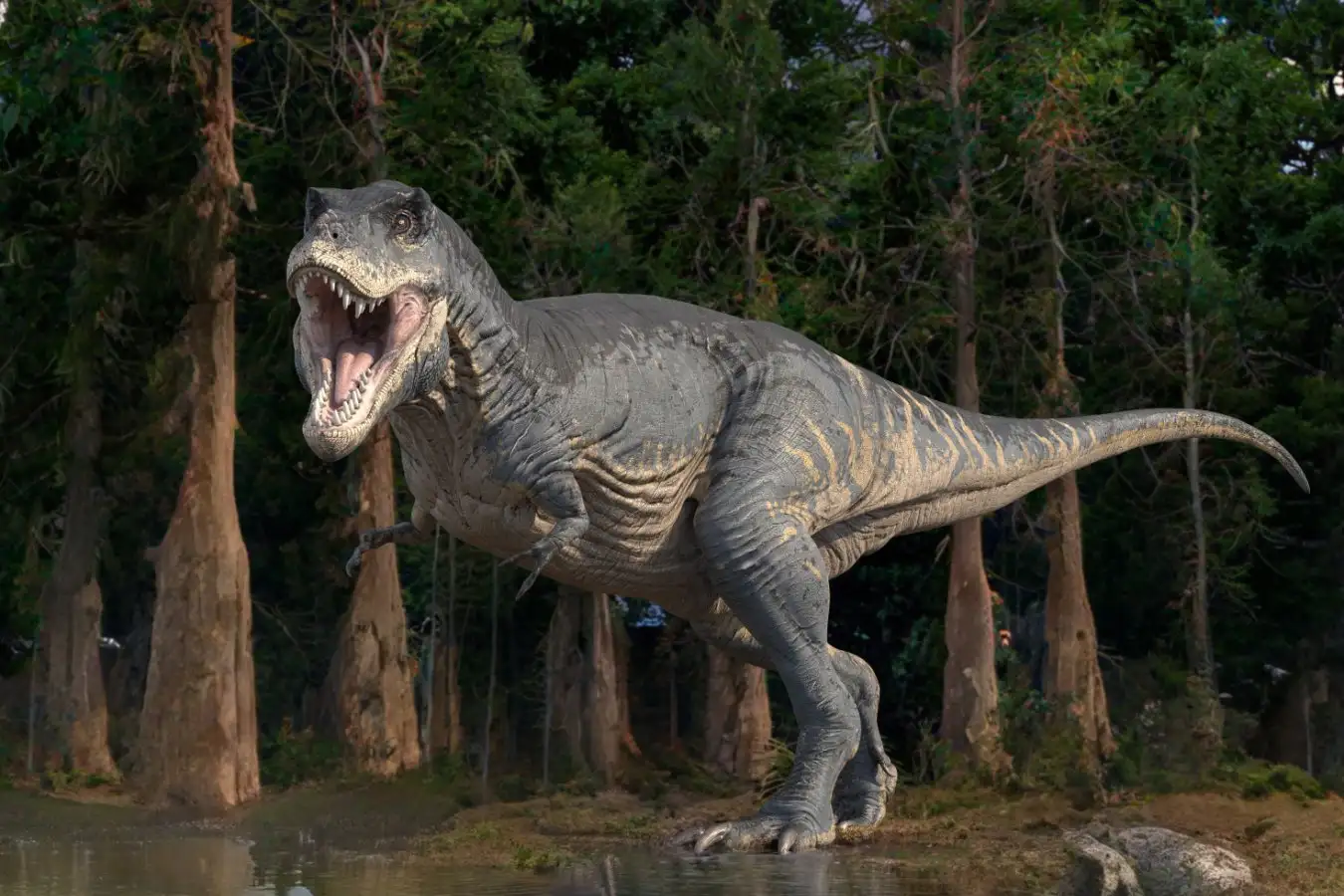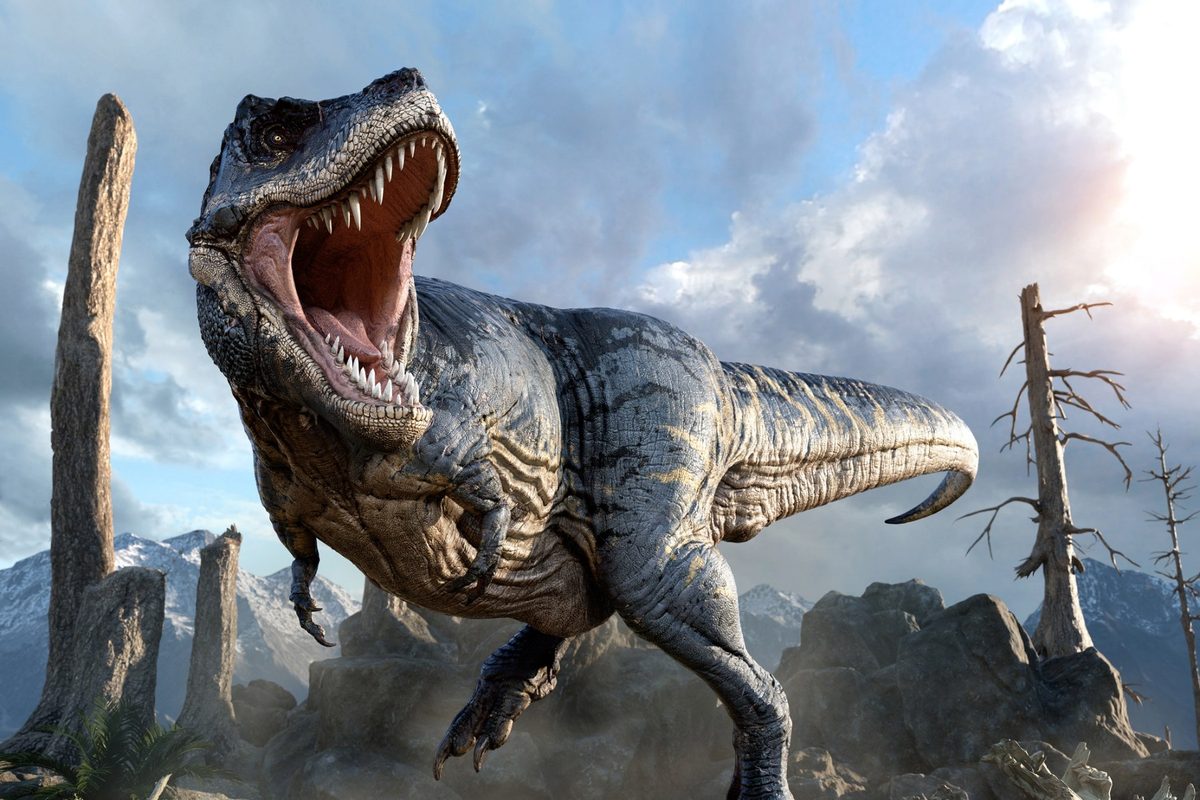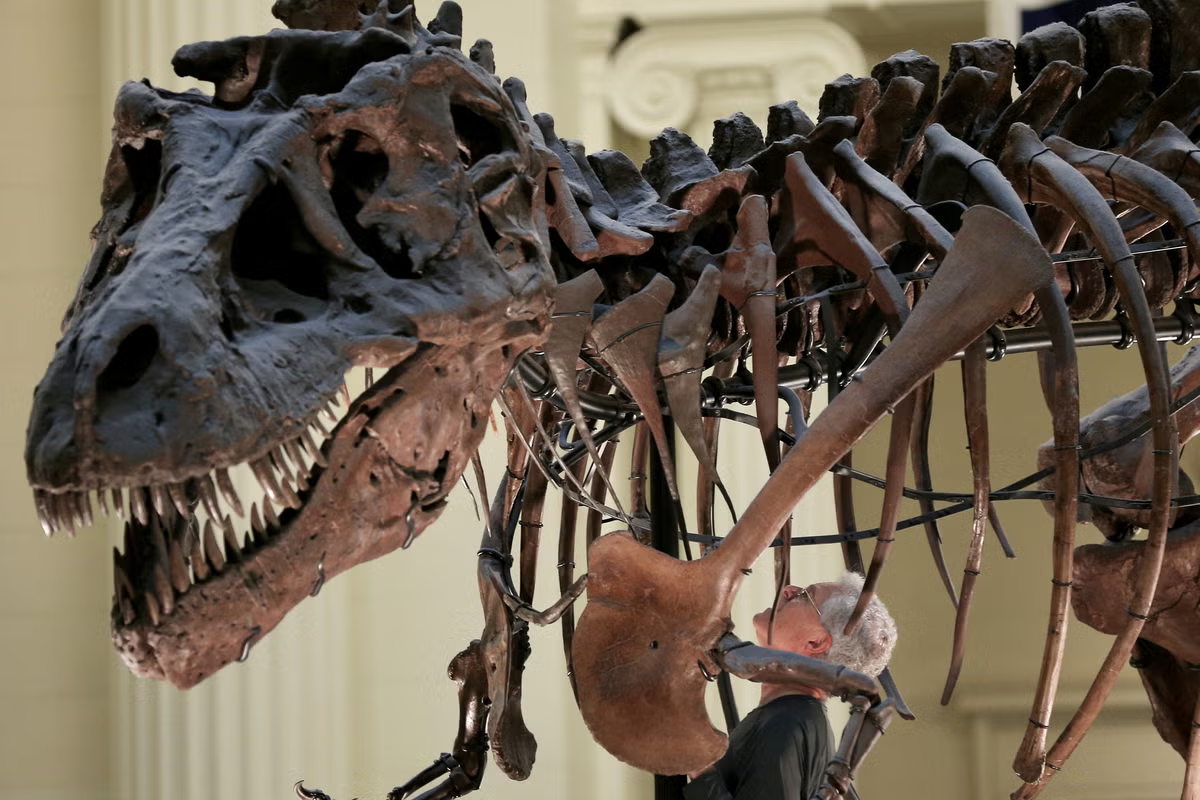
Stay up to date with notifications from The IndependentNotifications can be managed in browser preferences.Jump to contentThank you for registeringPlease refresh the page or navigate to another page on the site to be automatically logged inPlease refresh your browser to be logged inAllNewsSportCultureLifestyle(Reuters)A new study indicates that the robust skulls of carnivorous dinosaurs evolved as a direct response to the increasing size of the plant-eating dinosaurs they hunted. This development subsequently led to a reduction in the forelimb size of these predators, a phenomenon observed independently across five distinct theropod lineages. Tyrannosaurus rex, an apex predator with a massive skull and famously diminutive arms, is a prime example of this evolutionary trend. Lead author Charlie Scherer explained that natural selection prioritized stronger heads for hunting, rendering forelimbs less essential and leading to their reduction. The precise function of T. rex's small arms remains a puzzle, with researchers suggesting they might be vestigial structures maintained due to complex genetic factors. In fullT. rex had massive jaws but tiny arms: Scientists now know whyThank you for registeringPlease refresh the page or navigate to another page on the site to be automatically logged inPlease refresh your browser to be logged in
Why T.rex ditched its arms for a bone-crushing skull
Stay up to date with notifications from The IndependentNotifications can be managed in browser preferences.Jump to contentThank you for registeringPlease refresh the page or navigate to another page on the site to be automatically logged inPlease refresh your browser to be logged inAllNewsSportCultureLifestyle(Reuters)A new study indicates that the robust skulls of carnivorous dinosaurs evolved as a direct response to the increasing size of the plant-eating dinosaurs they hunted. This development subsequently led to a reduction in the forelimb size of these predators, a phenomenon observed independently across five distinct theropod lineages. Tyrannosaurus rex, an apex predator with a massive skull and famously diminutive arms, is a prime example of this evolutionary trend. Lead author Charlie Scherer explained that natural selection prioritized stronger heads for hunting, rendering forelimbs less essential and leading to their reduction. The precise function of T. rex's small arms remains a puzzle, with researchers suggesting they might be vestigial structures maintained due to complex genetic factors. In fullT. rex had massive jaws but tiny arms: Scientists now know whyThank you for registeringPlease refresh the page or navigate to another page on the site to be automatically logged inPlease refresh your browser to be logged in