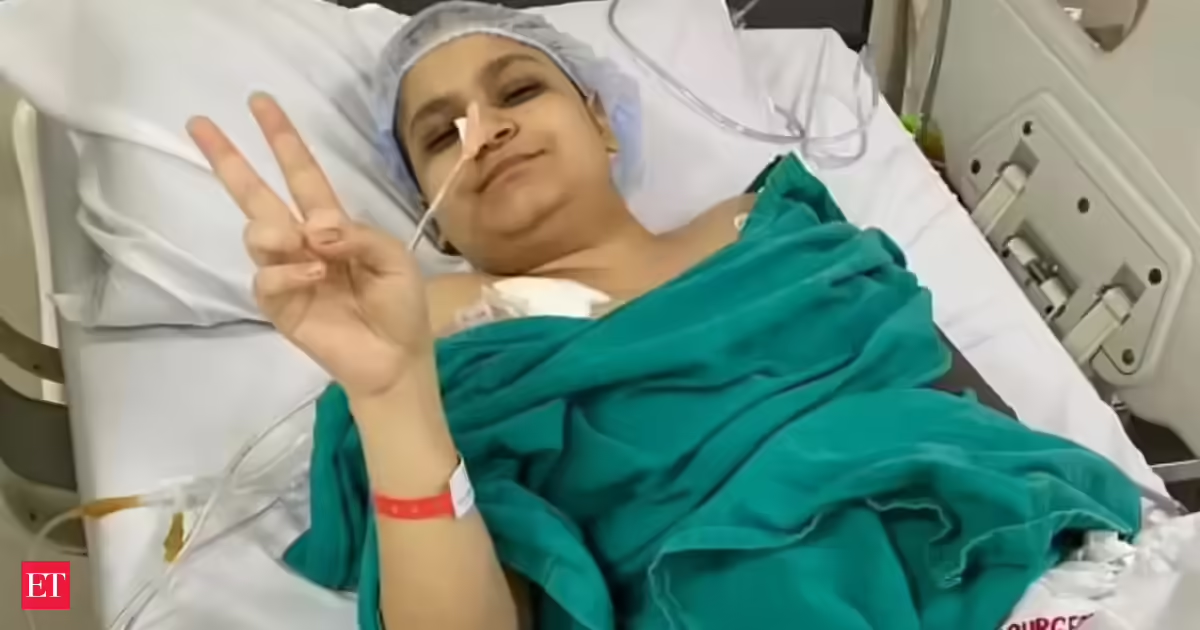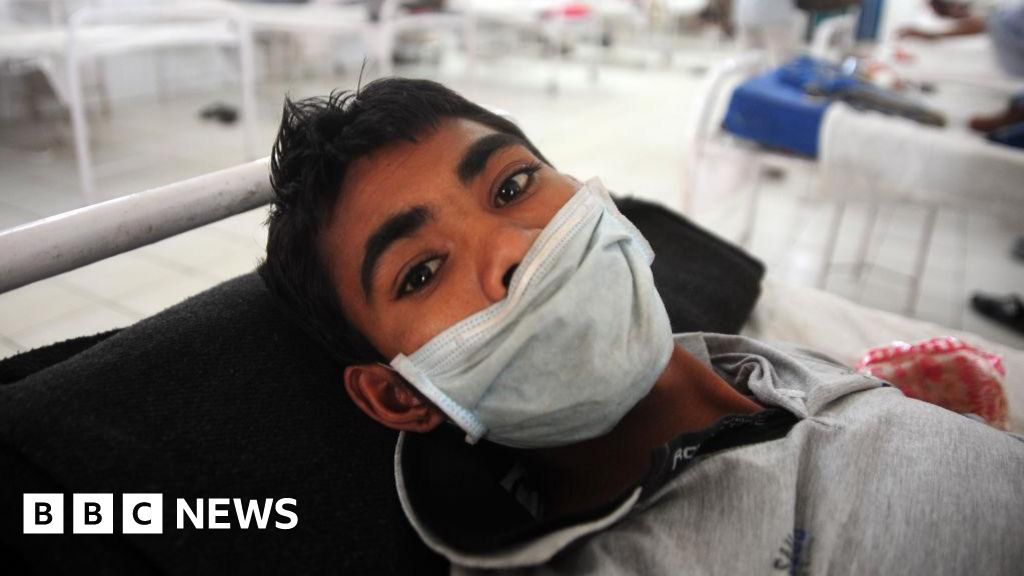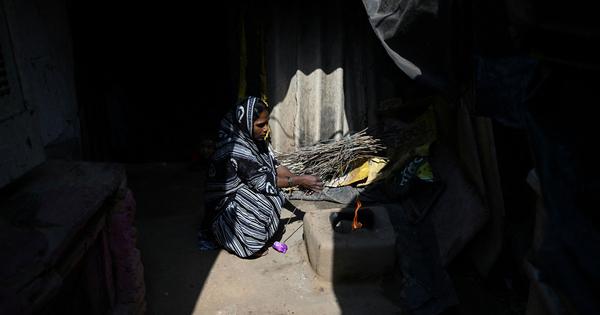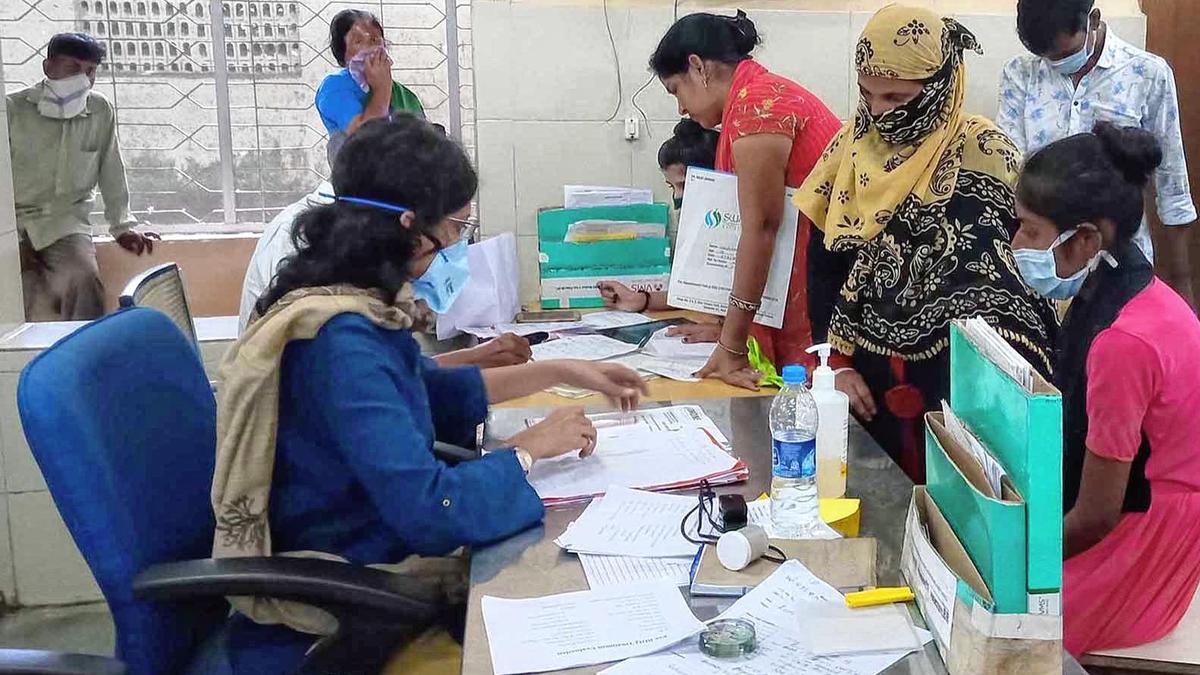
Divya wakes up at 4 a.m. Her husband leaves for the garment factory in Kurla before the sun is up, and food must be ready before he goes. After cooking comes dusting, wiping, filling and storing water, and the shower. By 6.30 a.m., her two children are awake, the youngest needs bathing, tiffins need packing, and by the time she sends them to school the clock strikes 7.30.Divya has barely sat down in peace since she started TB treatment at Shatabdi Hospital. A resident of Govandi, she first suspected something was wrong four months before she received a diagnosis. She had been treated for TB once before, in 2010, and when the lumps reappeared on the back of her neck she told her doctor. He said it was dandruff. When the pain became unbearable, a second doctor gave her something for the pain, and that did not work either. “I finally went to a female doctor in my area,” she says, “and she diagnosed me with TB.”She took the medications for two months but something still did not feel right, and when she finally went to Shatabdi Hospital and was properly tested, she had developed multidrug-resistant TB. Incorrect treatment – wrong drugs, improper doses, single medications instead of combination therapy can turn standard curable TB into MDR-TB. The India TB Report 2023 notes that women experience diagnostic delays of up to two to three months due to fears of stigma, and that 40% of female TB patients in an ICMR study reported facing discrimination, including job loss or family rejection.
One pair of feet: women, work and TB in Mumbai
Explore the struggles of marginalized women in Mumbai facing TB while juggling informal jobs and the burdens of healthcare access.
1,565 words~7 min read