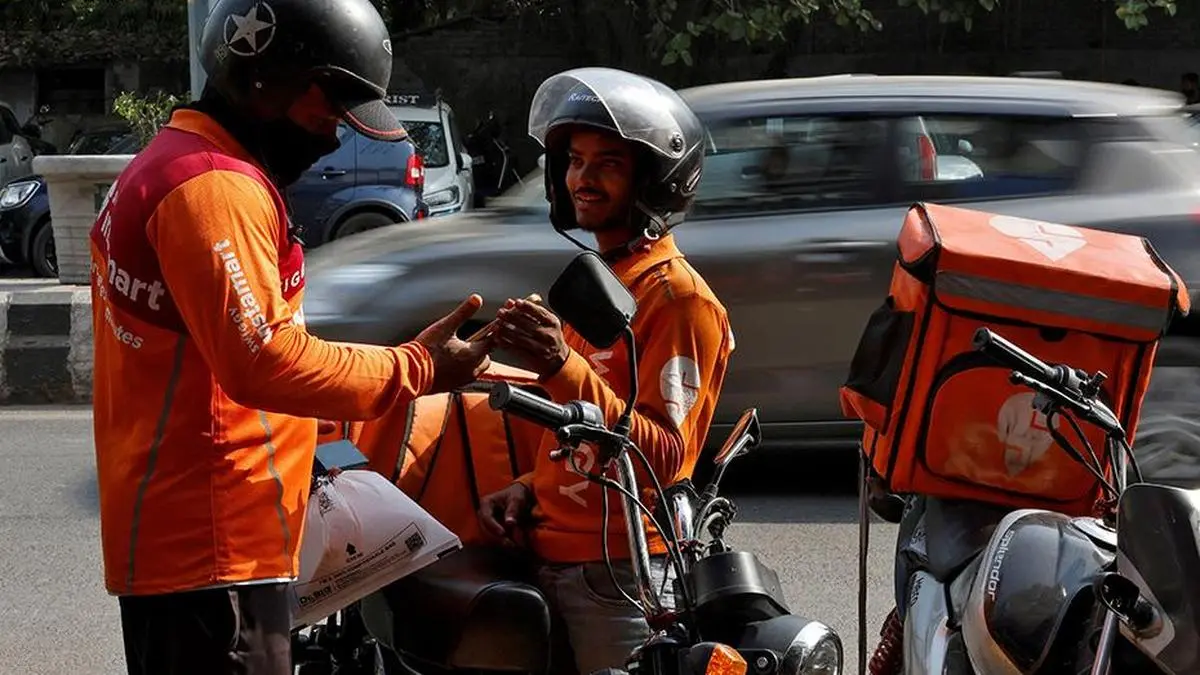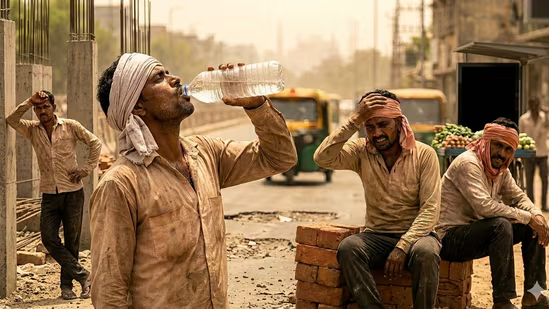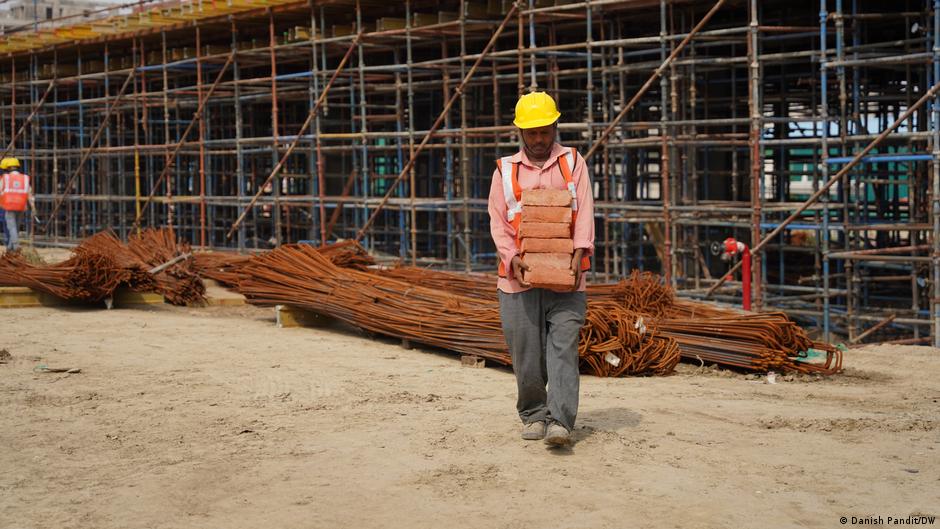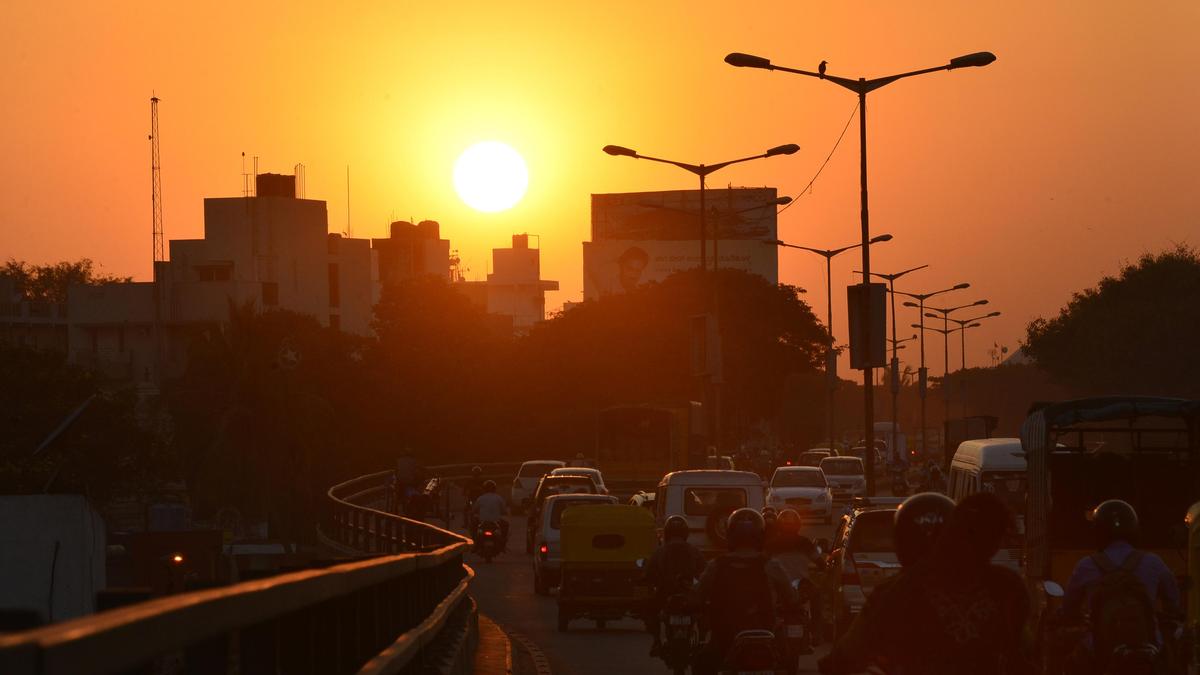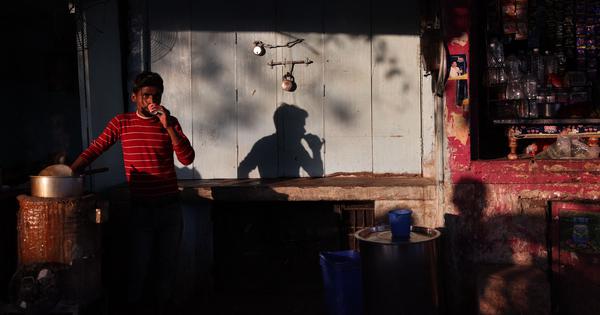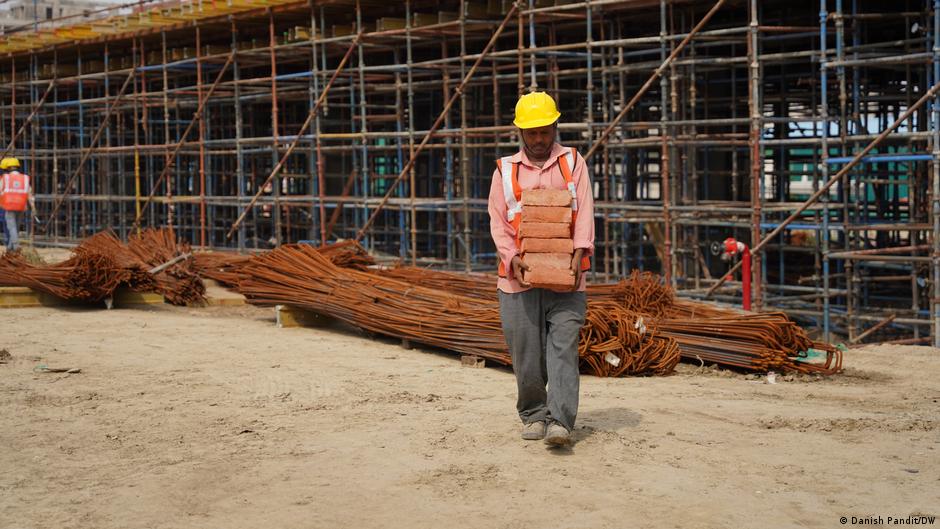
MUMBAI: As the summer heat continues to bear down on the city, the worst affected are those compelled to work in the open – construction workers, gig workers, traffic police personnel and officers on census duty. Everyone who is directly exposed to the heat has said that this year’s weather feels harsher and more exhausting than usual.On Tuesday, dark clouds were seen in Thane, but there was no relief from the heat. (Praful Gangurde/HT Photo)Temperatures have hovered between 33 and 35 degrees Celsius and humidity at 65%, in Colaba, and 64% in Santacruz observatories on Tuesday, with the maximum being 35 degrees and minimum 28 degrees. The maximum temperature on Wednesday is expected to be 34, while the minimum 29, with light rain and thunder shower expected. Thereafter, the weather is expected to become drier, with partially cloudy skies.Meanwhile, those spending long hours outdoors said prolonged exposure to the sun leaves them drained, forcing frequent breaks with an increase in spends on water and cooling drinks. The heat brings along heat stress, particularly when humidity is high, as moisture in the air reduces sweat evaporation, the body’s primary cooling mechanism. Adequate hydration, ventilation and avoiding prolonged exposure to heat are important precautions.“While healthy individuals can manage these conditions with normal precautions, vulnerable groups such as the elderly, children, outdoor workers and people with existing health conditions should remain cautious. Prolonged heat stress and dehydration can lead to health complications, including heat exhaustion and, in extreme cases, heatstroke,” said a scientist from the India Meteorological Department, requesting anonymity.Healthcare personnel say the impact is already visible. “We are seeing more people reporting symptoms of acidity, headaches and general fatigue due to the heat. People should stay well hydrated and take basic precautions to manage the impact of rising temperatures,” said Vikhroli-based Dr Yogesh Bhalerao.The NGO Jan Sahas, in collaboration with insurance companies Go Digit, K M Dastur Insurance and Reinsurance Brokers Pvt Ltd, and Good & Green (CSR initiative of Godrej Properties Limited), are also working to cushion informal workers from extreme weather conditions through a multi-peril parametric insurance product. “This year, over 1,308 workers in Mumbai enrolled for the multi-peril insurance, which triggered a pay out of ₹2,500 per individual when heat stress thresholds were met. The pay-out was linked to a combination of temperature and humidity — designed specifically for coastal cities like Mumbai — and was activated when the temperature crossed 30 degrees Celsius and relative humidity exceeded 70% on the same day,” said Shailesh Acharya, director, Jan Sahas.All beneficiaries received the pay-out on Wednesday, offering some financial relief as the city continued to grapple with prolonged hot and humid conditions.The heat drains you completely: Shankar PawarThree decades ago, Shankar Pawar, 43, came to Mumbai from Karad, Satara, to earn a living. But this summer, said Pawar, who works as a painter at under-construction buildings, Mumbai’s heat has tested him like never before.“Unlike the heat back home, this heat drains you,” said Pawar.Working at the Mhada building sites in Mankhurd, he often finds himself exposed to the baking sun. Indoor assignments bring brief relief only to be enveloped in the trapped heat inside. By noon, he said, his body starts resisting.“You feel like climbing down and stopping. But that is not a choice.”Much of the afternoon break – from 1 pm to 3 pm -- is spent recovering from the exhaustion built up through the morning. Pawar works an extra hour to compensate for the afternoon rest. While he can barely eat, he drinks eight to ten bottles of water every day.On Wednesday, Pawar received ₹2,500 through a heat insurance pay out under a worker support initiative led by Jan Sahas, an NGO that works with social groups on safe migration and workers’ protection.“Every rupee matters,” he said. “At least someone has understood what we are going through.”Staying hydrated costs money: Ganesh ChauguleTwenty six-year-old Ganesh Chaugule, a gig worker based in Kalwa who delivers across the Bhandup-Nahur-Mulund belt, spends most of his day riding in the open.“This heat brings a different kind of challenge. You know you have to stay hydrated and protect yourself, and shouldn’t expose yourself to the sun – but how do you do that when your job is to be under the sun the whole day?”The hardest stretch is between 11 am and 4 pm, when delivery platforms offer incentives, for being available in that time. Losing a few minutes of work can mean losing the incentive that supports his EMI and fuel.“There is often no place to rest except when I can find a tree,” he said. Staying hydrated is a burden as a bottle of water lasts barely an hour, and buying several bottles is hard on the pocket.“We don’t have a choice,” he said. “We feel tired, the head hurts and body feels weak. But the next order comes and we are on the go again. Once back home, the tan on the skin and a throbbing headache are measures of how one survived the heat.”We stand at a spot for 40 mins when VIPs pass by: Sachin NangaokarSachin Nangaokar, 36, a constable with the Mumbai traffic police, spends at least 10 hours a day near the Sion flyover in Chunabhatti, directing traffic while inhaling exhaust fumes.On Tuesday afternoon, as Nangaokar gestured at a mini tempo to penalise him, the vehicle’s shadow gave him a brief respite from the sun as he wiped the sweat off his brow to write the challan. “We take any opportunity we get for shade, even if it is only for two minutes,” said Nangaokar.Many VIP convoys pass through the busy stretch of highway that connects to Thane. “We have to stand at one spot for over 40 minutes when the convoys pass, which is tough in this heat,” he said. “We wear caps to protect ourselves. Sometimes commuters offer water but we do not have an option but to stand on the road despite the heat.”Mumbai traffic police has enforced strict guidelines for field cops – personnel over 50 are allocated indoor duties in peak afternoon hours, and assigned a ‘buddy’ or a warden to accompany them in case they feel dizzy in the heat.People are kind – some offer cold drinks: Jyoti BansodeJyoti Bansode, 53, a health worker from Ramabai Ambedkar Nagar, Ghatkopar, who is currently on census duty, said all workers are working diligently braving the heat, as “this is a national responsibility.” Most workers use the cap provided in their safety kit, while some wear a scarf to protect their face and head.Bansode has been working as a health worker in the area for the last three decades.“I start my work around 9:30 am and continue till 3:30 pm. We break for lunch in between and carry water to stay hydrated. Drinking plenty of water is the only way to beat the heat,” she said.A veteran, Bansode has been working in this area for nearly 30 years. “As I know most of the local residents, my census work is easy.” She covers around 20 to 30 houses every day, as authorities have set a target of around 200 to 250 houses to be counted by June 5 as part of the census’ first phase.“Residents support us. Some invite us into their homes and offer water, while others give us cold drinks,” she said.
In the face of Mumbai’s intense heat
As the heat shows no sign of abating, HT spent time with outdoor workers to learn how they get through the day | Mumbai news
1,220 words~6 min read