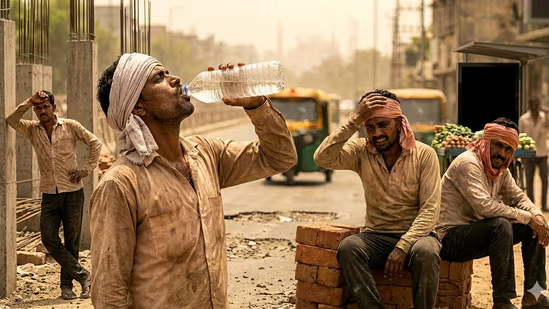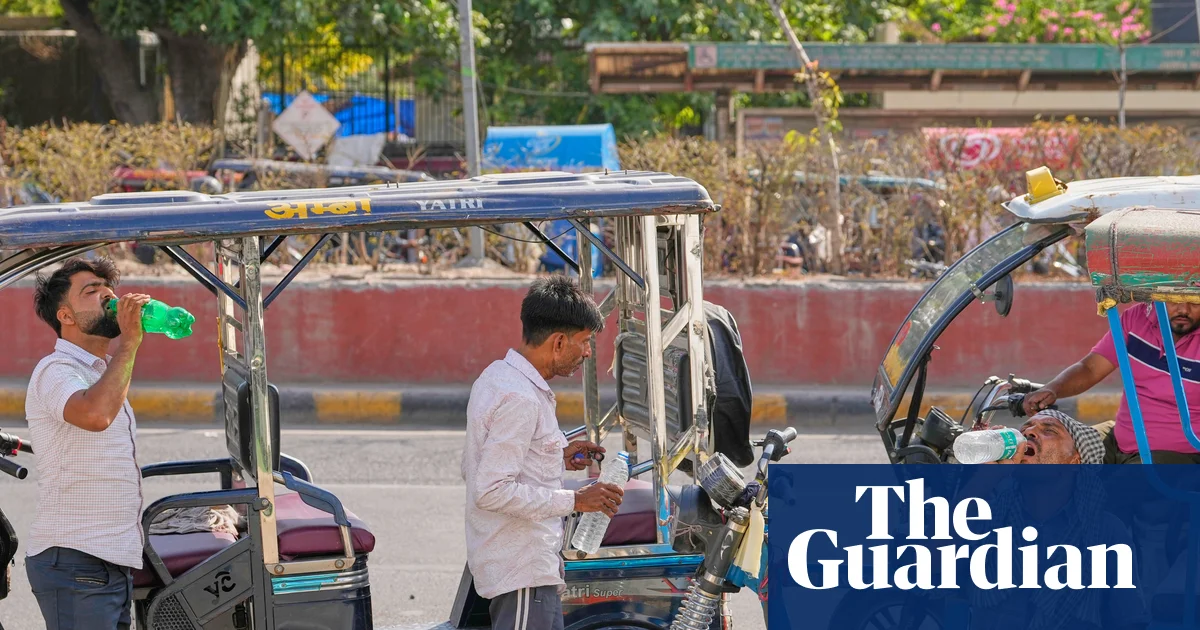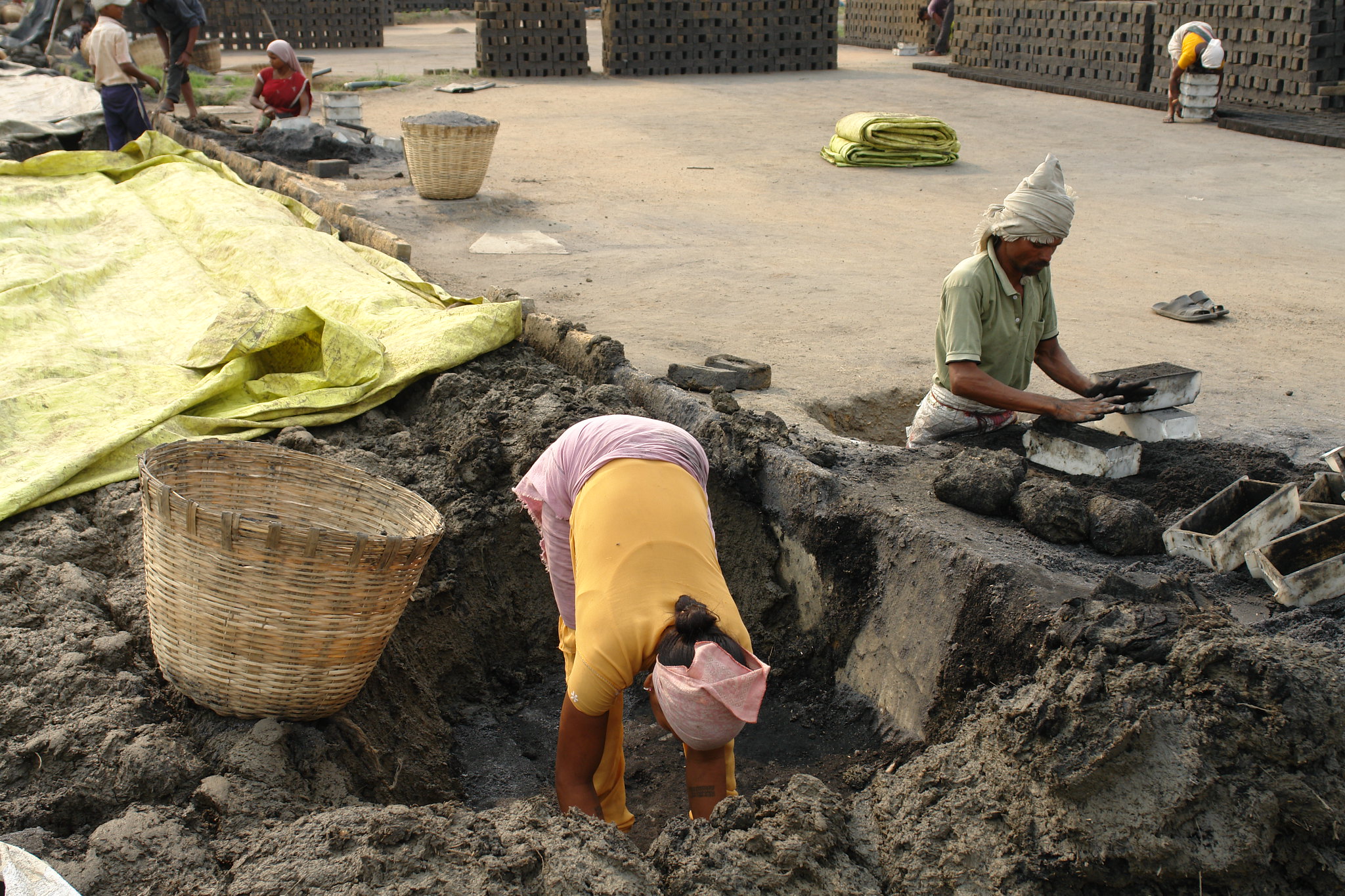
NEW DELHI: For small business owner Himanshu Kumar, closing his shop during a heatwave is not an option.The travel agency owner, who operates in the heart of New Delhi, told CNA that soaring temperatures are making it increasingly difficult to work – but staying home would mean losing income.“It is impossible to have an air conditioner here (in the shop). I don't earn enough. There's a water cooler and a fan but that just pushes hot air around," he added.“If I close the shop and stay at home, I lose money. I can't do that.”Kumar's predicament is shared by millions across India as large parts of the country endure temperatures above 40°C – the threshold for a heatwave being officially declared in plains, or about 4.5°C to 6°C above normal, according to the India Meteorological Department.Heatwaves are forecast for the northern and western regions, though Delhi residents got some respite on Tuesday (Jun 9) as rain fell across parts of the capital.While extreme heat is a familiar feature of Indian summers, studies show heatwaves are becoming more intense and frequent in the world’s most populous nation.Authorities have rolled out heat action plans, and Prime Minister Narendra Modi has urged Indian citizens to take precautions.But experts warn that emergency measures alone will not be enough to protect the country's vast population from worsening heat risks.MOST VULNERABLE TO HEAT STRESSResearch has shown that India is among the countries most vulnerable to heat stress – a condition in which the body is unable to cool itself sufficiently.The economic impact is also mounting. According to medical journal The Lancet, India lost an estimated 247 billion potential labour hours in 2024, with informal workers and small business owners among those most affected.For outdoor workers, the dangers are particularly acute. A World Bank study estimated that up to three-quarters of India's workforce is engaged in heat-exposed labour.Government guidelines advise people to avoid being outside during the hottest parts of the day. Time away from work for daily-wage earners, however, often means lost income.Many seek relief at cooling centres set up across cities where they can rest briefly, drink cold water and cool down before returning to work.
India's extreme heat takes a toll on workers as experts urge long-term solutions
From daily-wage labourers to small business owners, millions are struggling to cope with soaring temperatures of beyond 40°C while trying to earn a living.
865 words~4 min read