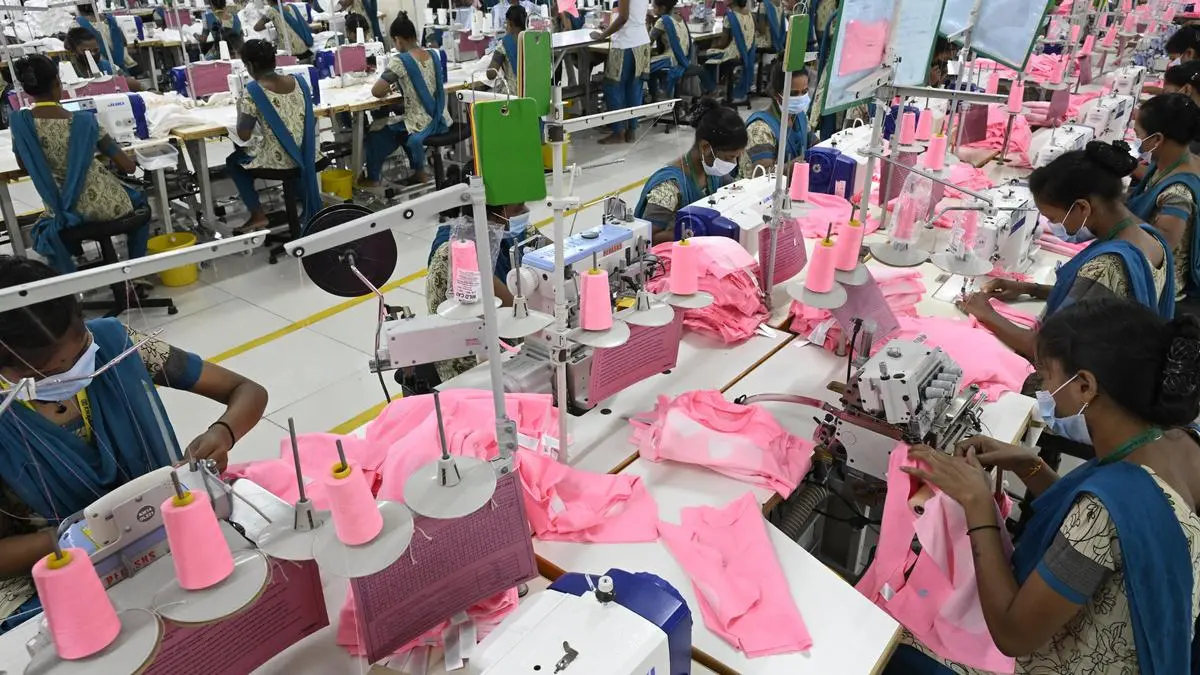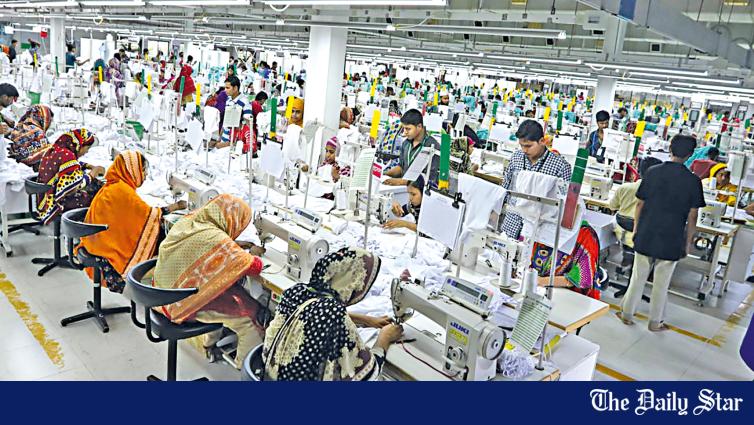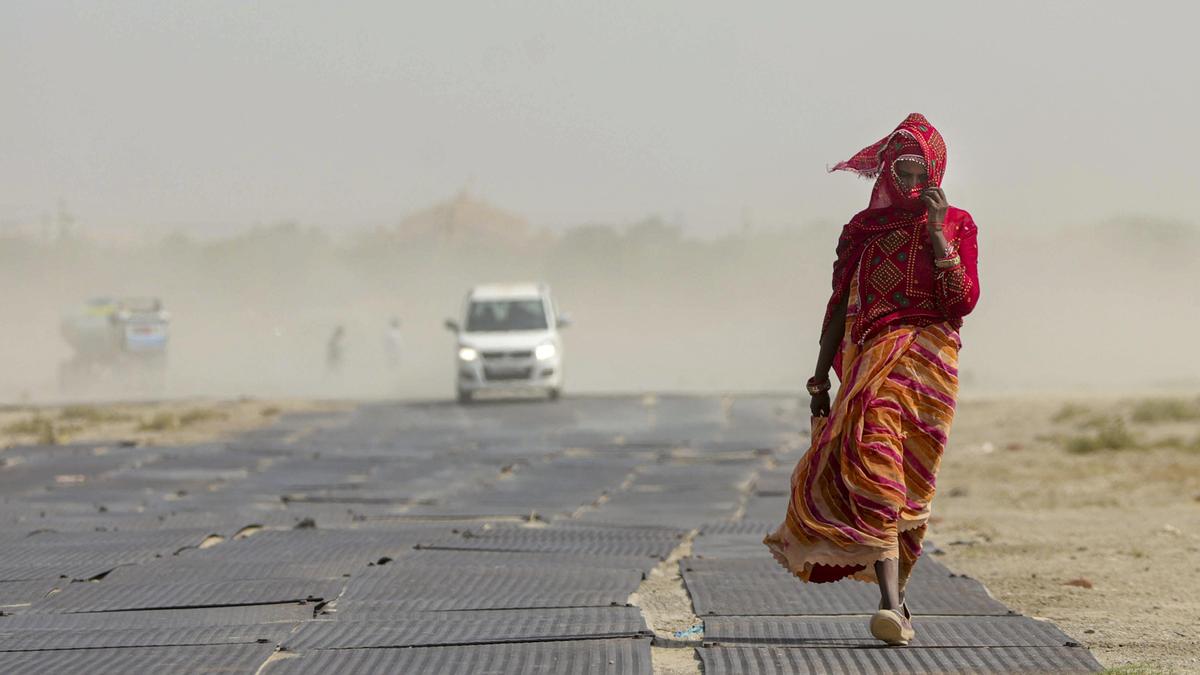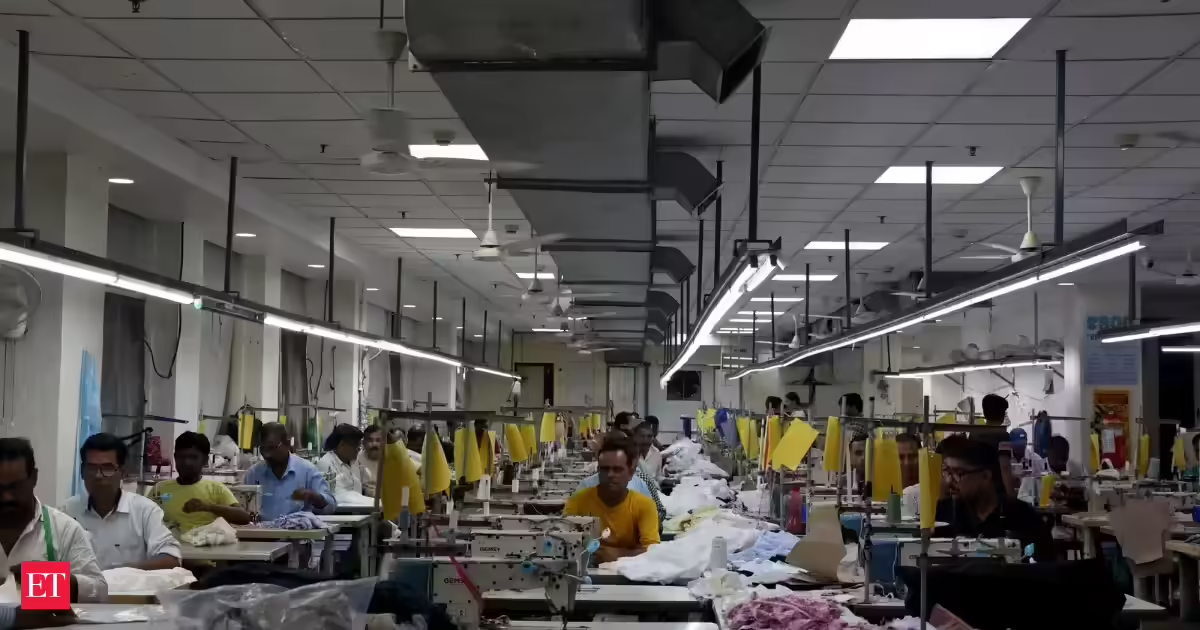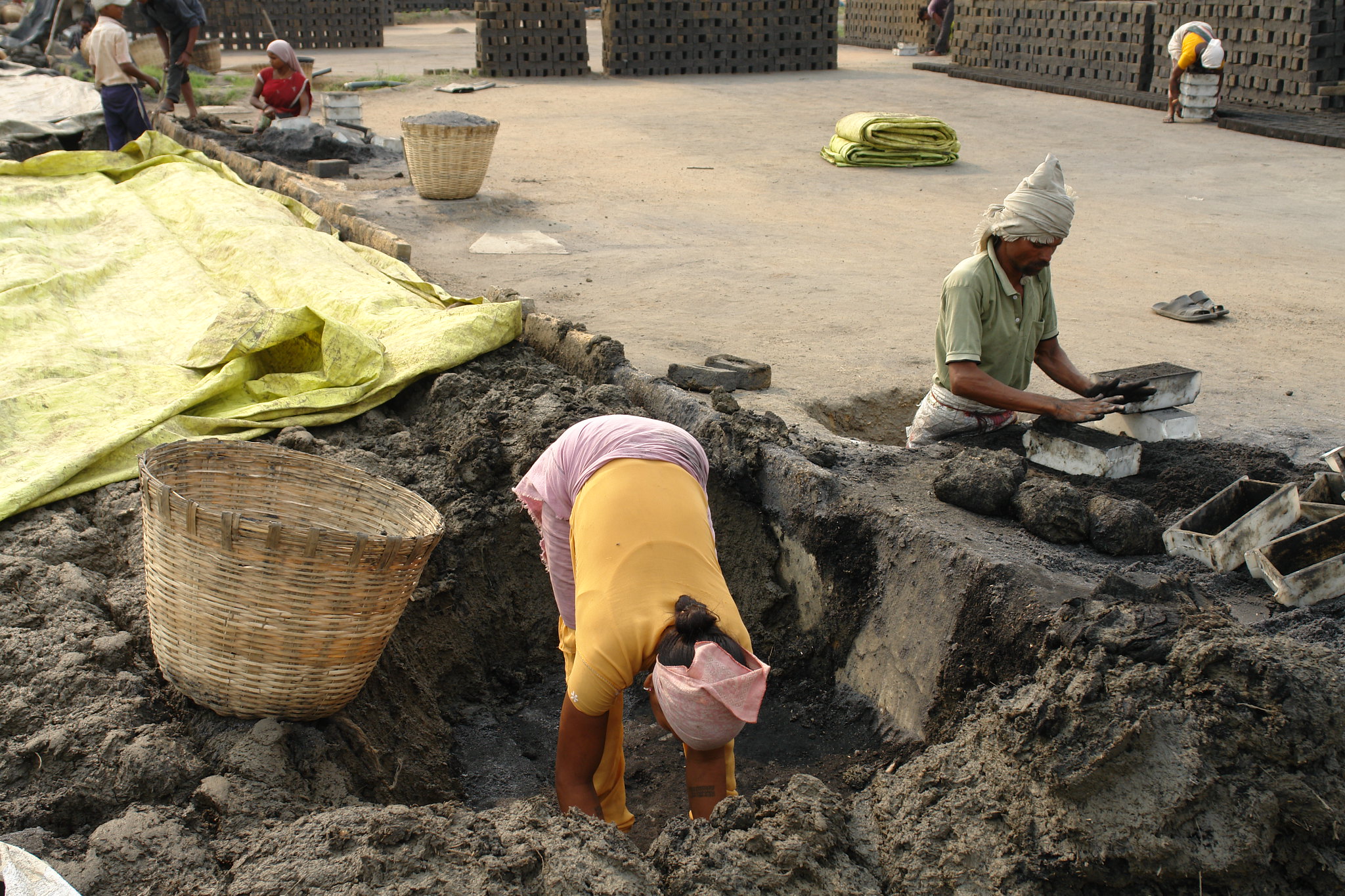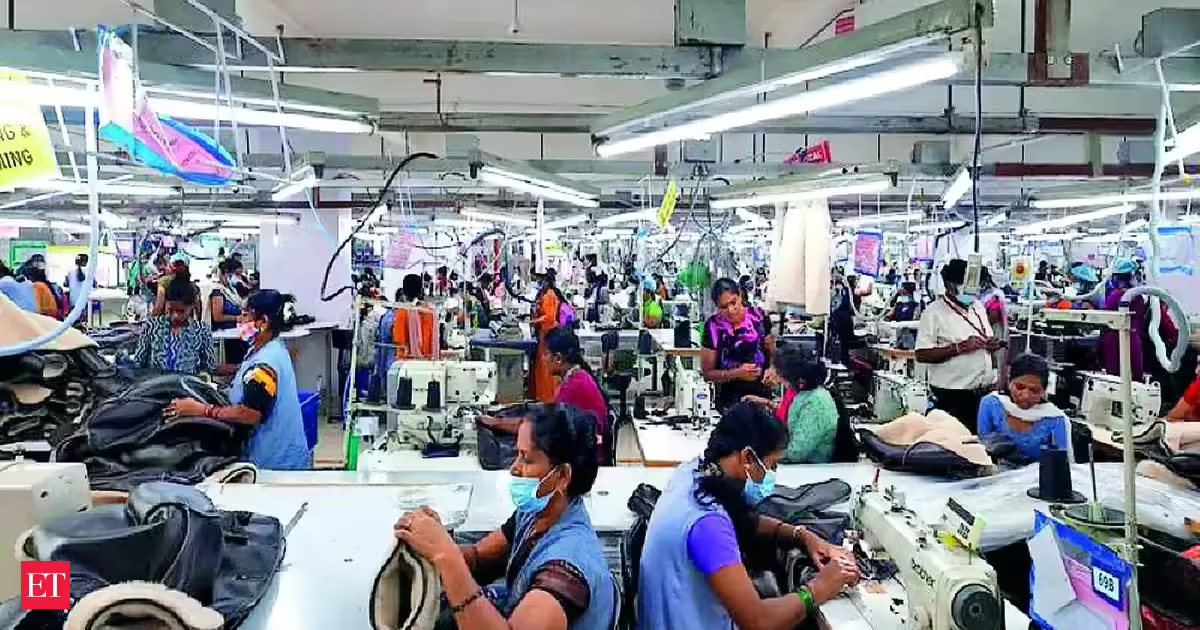
Extreme heat is taking a growing toll on India's garment manufacturing sector, with factories supplying global retailers such as Fast Retailing's Uniqlo, Marks & Spencer and Tesco suffering productivity losses of as much as 10%, according to a Bloomberg report citing the NYU Stern Center for Business and Human Rights.Research conducted at 10 garment facilities across four regions found that high temperatures are affecting product quality, delivery reliability and worker attendance during peak summer months. The study highlights mounting climate-related risks for India's $39-billion apparel export industry, which employs about 45 million people, nearly 70% of them women.Many suppliers are “just about keeping their heads above water” by implementing makeshift fixes to manage extreme heat, said Lucy Siers, senior research scientist at the NYU Stern Center and lead author of the report. “The tipping point is when a delivery deadline is missed and suppliers are no longer able to insulate their buyers.”The report comes amid persistent heatwave conditions across India, with temperatures regularly exceeding 45°C and reaching 48.2°C in parts of Uttar Pradesh last month. Factory managers told researchers that severe heat is leading to sweat stains on fabrics, dust contamination, stitching errors and temporary production halts.Researchers warned that the impact extends beyond the apparel sector. According to World Bank estimates cited in the report, lost working hours due to extreme heat could put as much as 4.5% of India's GDP at risk by 2030, equivalent to roughly $150 billion-$250 billion.The study also identified significant gaps in how global brands monitor heat conditions at supplier facilities. While most retailers acknowledged that extreme temperatures pose risks to production, only 35% required suppliers to track factory temperatures. “You can’t manage a risk that you don’t measure,” Siers said.Half of the companies surveyed said they had not asked manufacturers whether extreme heat had disrupted production, while another 12.5% were unsure if such inquiries had been made.To strengthen supply-chain resilience, the report recommended that global buyers establish enforceable heat standards, require temperature monitoring, share the costs of cooling and ventilation upgrades, and introduce greater flexibility in purchasing practices to accommodate climate-related disruptions. “Brands that source from heat-exposed regions have both a business interest and a responsibility to act,” said Michael Posner, director of the NYU Stern Center.(With Bloomberg inputs)
Extreme heat dents productivity at India garment factories supplying global brands
India's garment factories face severe heat challenges. Productivity drops up to 10% affect global brands like Uniqlo and Marks & Spencer. Heat causes fabric damage and production delays. This impacts millions of workers, mostly women. Global buyers need to set heat standards and help upgrade facilities. Managing this risk is crucial for the industry's future.
375 words~2 min read