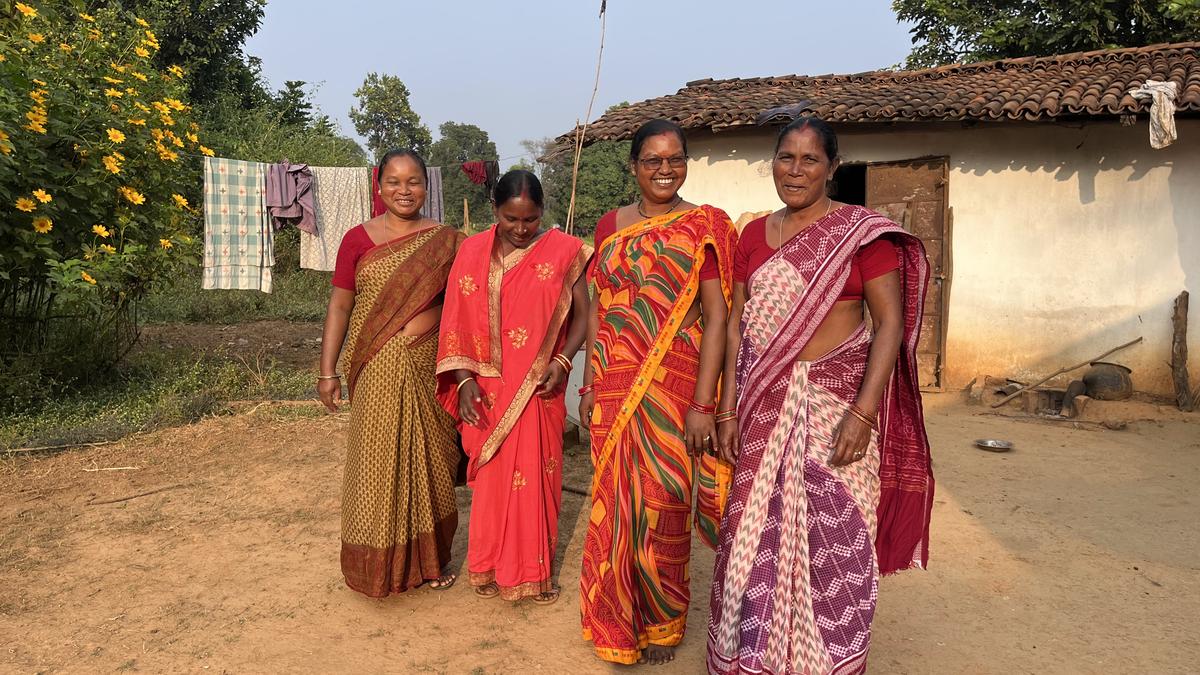
On May 20, Uttar Pradesh’s Banda district recorded 48 degrees Celsius, among the highest temperatures globally that day. But life continued as usual for Meena Srivastava in Bundelkhand, where she’s spent nearly two decades working since 2006 as an Accredited Social Health Activist (ASHA) worker. “Humein garmi ki aadat hai, par is saal garmi kuch zyada hi hai… (We are used to the heat but it’s exceptionally hot this year),” says this ASHA from Naugawa village, UP.Srivastava, 46, begins her workday around 8 am. She returns home by 11 am, but labour pains, diarrhoea, or other medical emergencies don’t follow a timetable. Often, she has to step out for work in the scorching afternoon heat, around 2-2:30 pm.Climate reshaping labourShe starts surveys early, carries water and ORS, and tries to finish outdoor work before noon. “I have always done this, but it is getting tougher as I grow older and the work never stops,” says Srivastava, who is currently on a vaccination drive. Her monthly earnings barely reach ₹4,000, and payments are often delayed. “I haven’t been paid since March,” she says.Laxmi Kaurav, an ASHA supervisor from Madhya Pradesh’s Bhind district, says, “Not only are we not given any special guidance during heatwaves, there is also an increase in the number of surveys and camps during summer, along with pressure from officials.”
As heatwaves intensify, India’s ASHA workers are paying the price
From Uttar Pradesh to Haryana, frontline health workers say they are falling ill in extreme heat while struggling with low pay, delayed wages and a lack of protection
1,260 words~6 min read