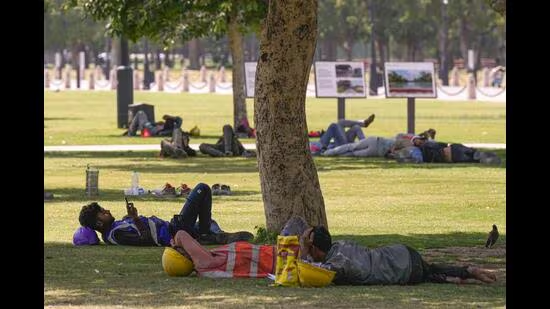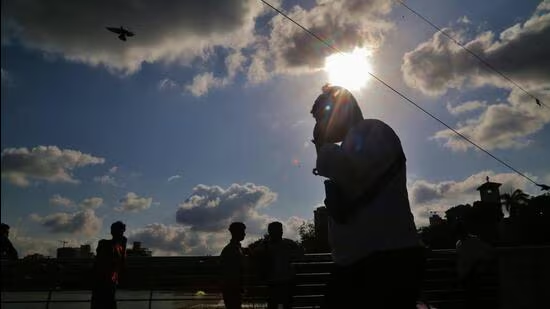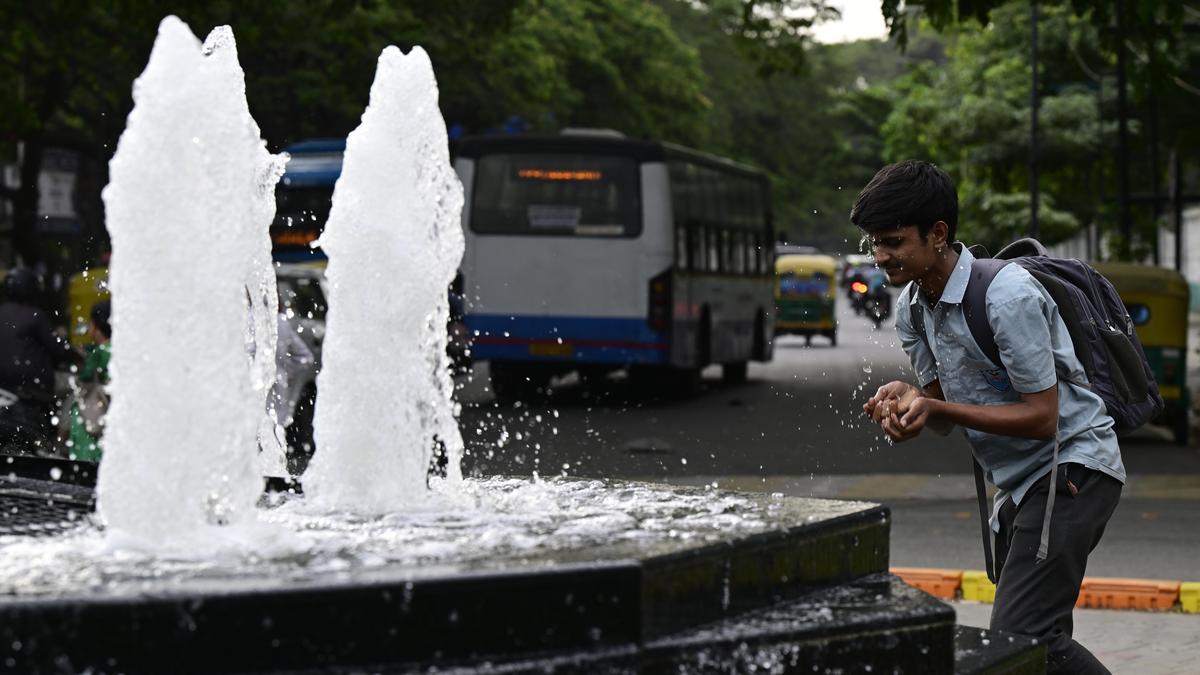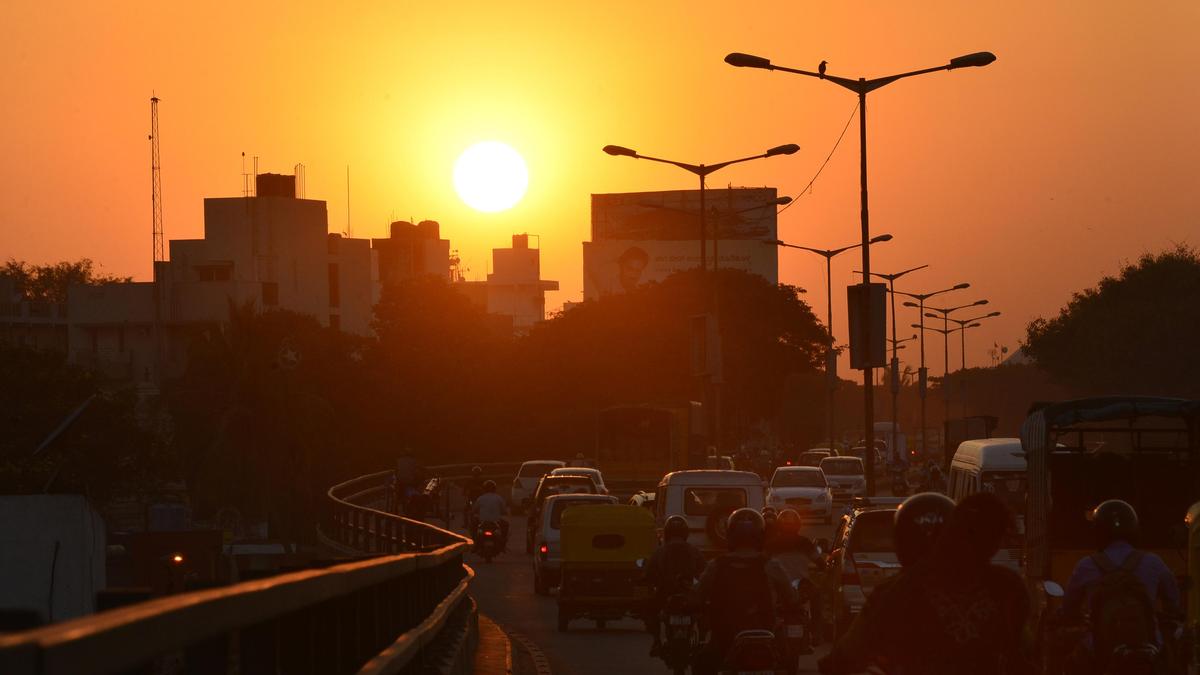
In neighbourhoods such as Peenya, Hennur, and Nagawara, identified as Bengaluru’s emerging heat hotspots in a baseline study by the C40 Cities Climate Leadership Group, the impact of rising temperatures is most visible in the daily routines of those who work outdoors.
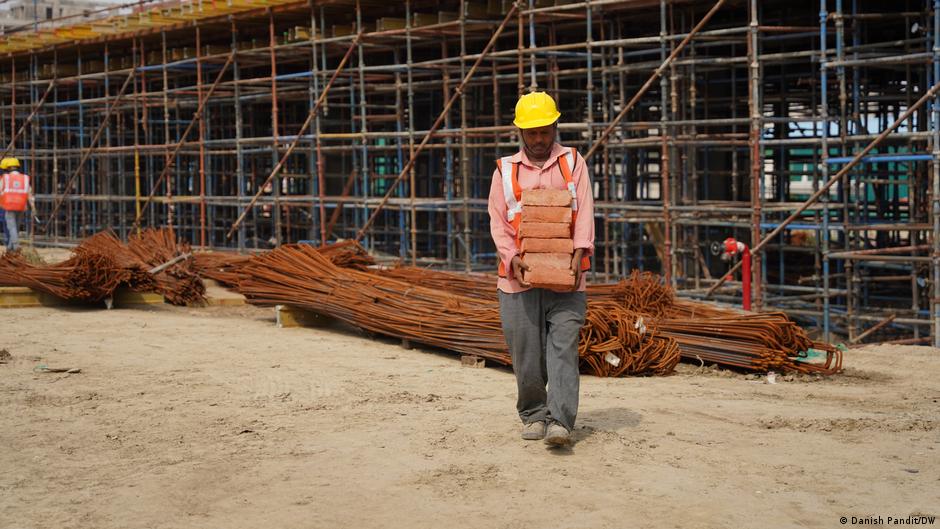
Nearly 44% of the city’s workforce is engaged in outdoor occupations, and for them, these pockets translate into prolonged exposure to heat with no scope for relief during the day, according to surveys referenced by the Greater Bengaluru Authority’s (GBA) corporations, which are now planning targeted cooling measures in these areas.
Most vulnerable
Field insights and reports cited by officials, including those by Hasiru Dala, an organisation working with informal labourers, show that over 73% of waste workers continue to toil during peak heat hours, with 92% reporting that the heat directly affects them. This is a trend that extends to construction labourers, traffic personnel, and street vendors. Workers report fatigue, dehydration, reduced productivity, and heat-related health stress, as daily-wage and location-dependent livelihoods leave little room to pause work or move to better conditions.
Officials said their assessment also drew on data from the National Crime Records Bureau and the State Health Department, which show that in India, 730 deaths due to heat or sunstroke were reported in 2022, 374 in 2021, and 530 in 2020.