PHILADELPHIA ‒ It was another brutally hot day in a summer that has seen more than its share of them. Temperatures were in the high 80s, but with the oppressive humidity, heat indices reached into the low 100-degree range.
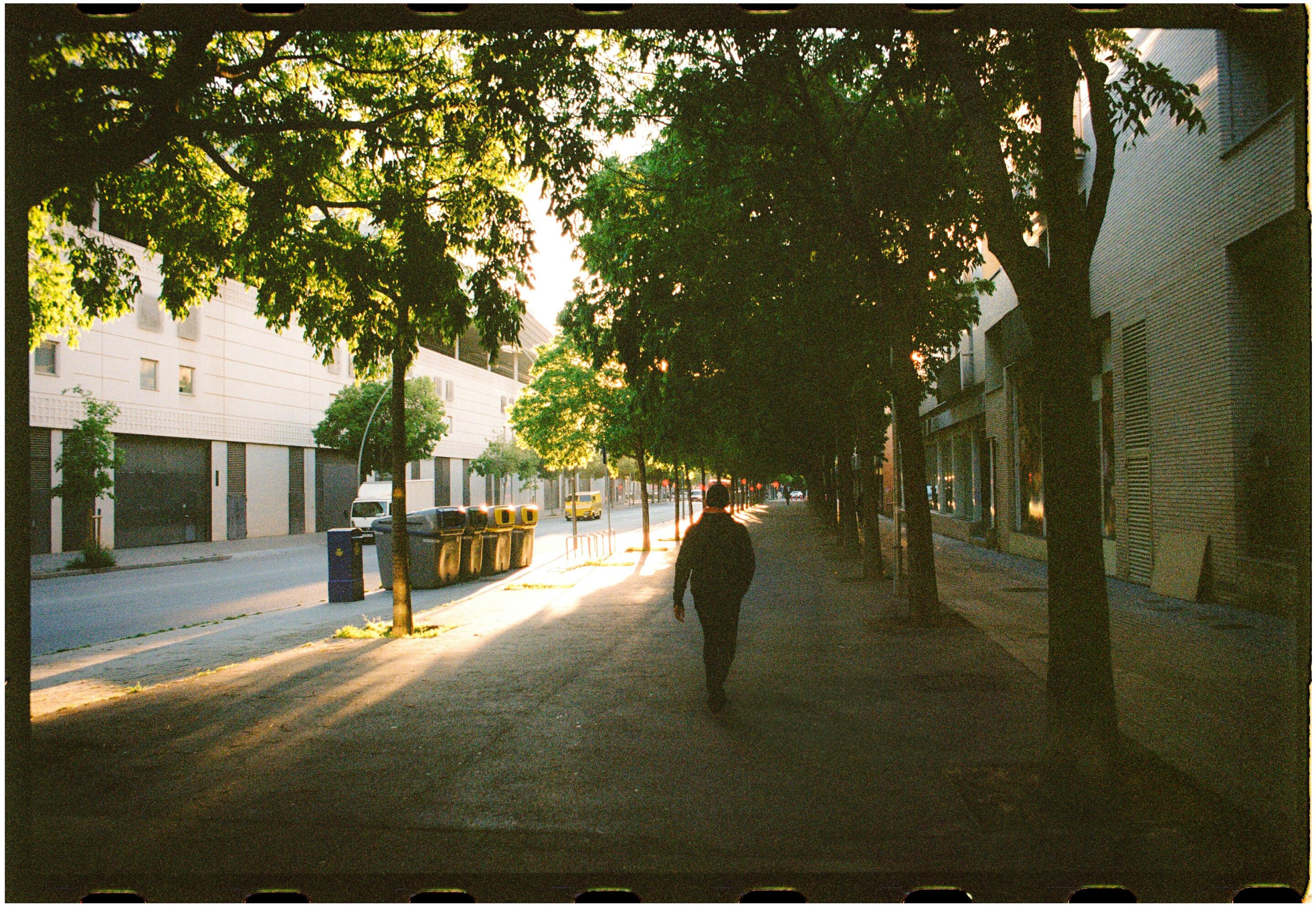
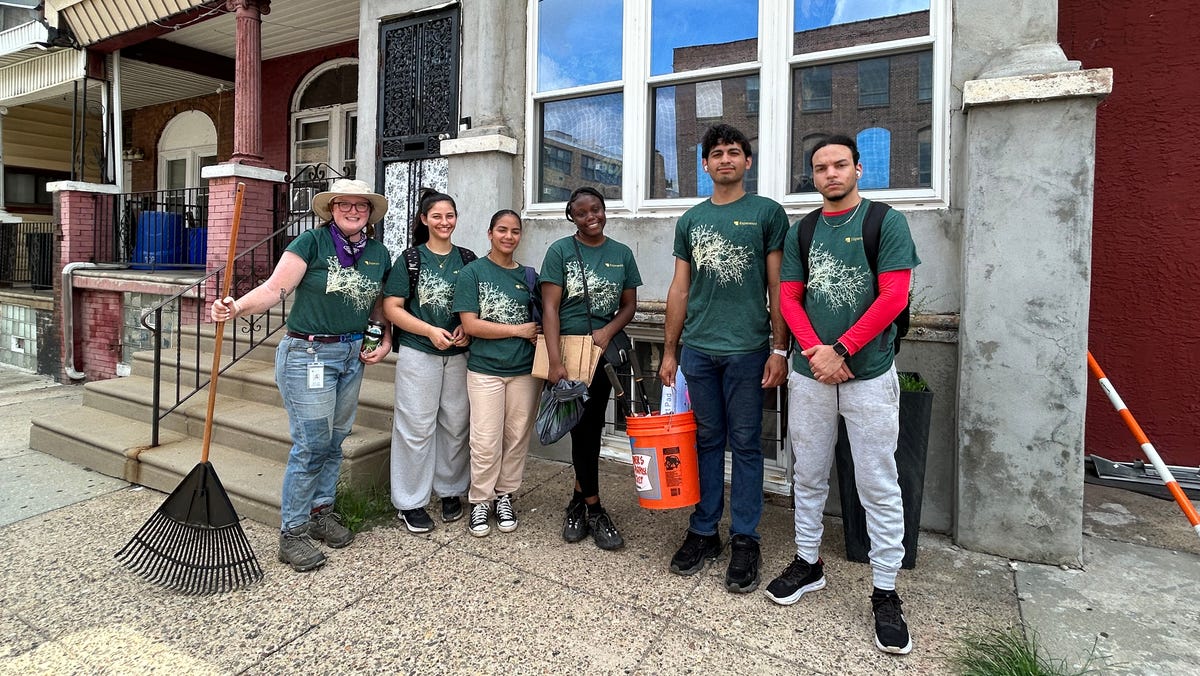
And in Hunting Park, a working-class neighborhood in North Philadelphia, it felt even hotter. Heat radiated in waves off concrete sidewalks and asphalt streets. Garage owners left their bay doors open and residents sat on the front stoops and porches of their row houses, hoping to get a little relief from even more sweltering temperatures inside.
"There's a lot of asphalt and cement," said Jemile Tellez Lieberman, who works in research, health equity and community engagement for Esperanza, a neighborhood nonprofit.
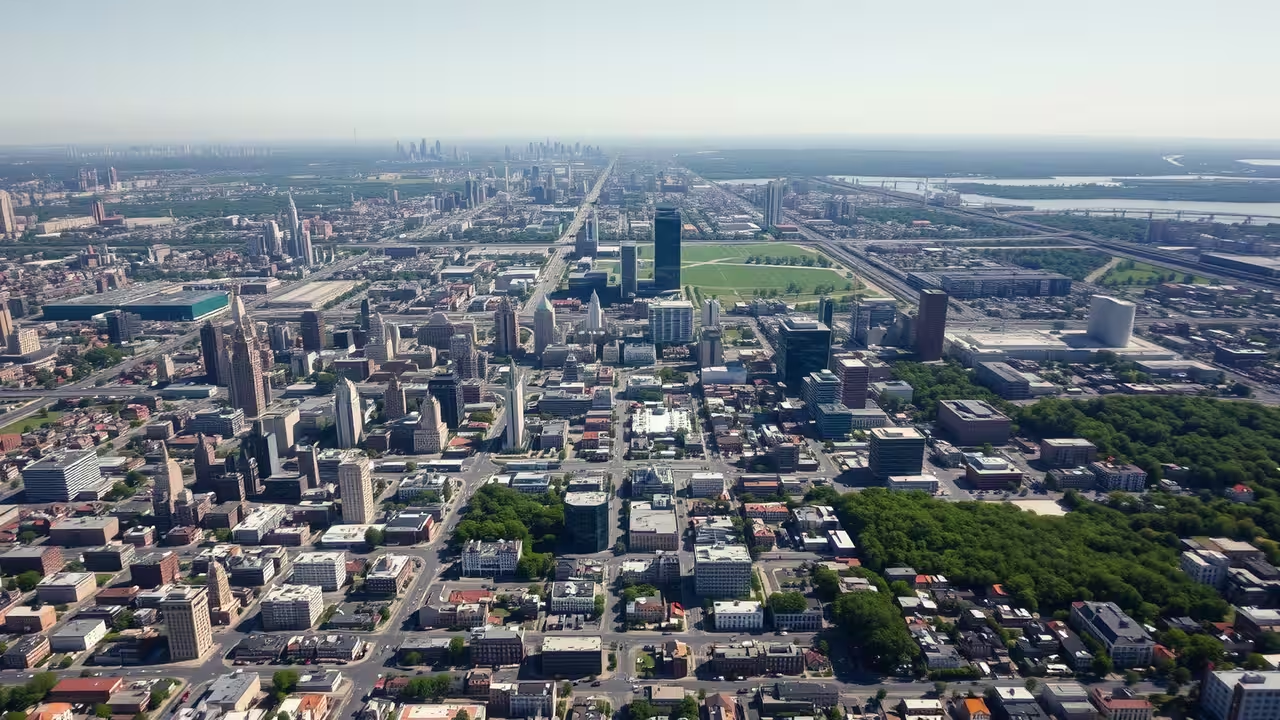
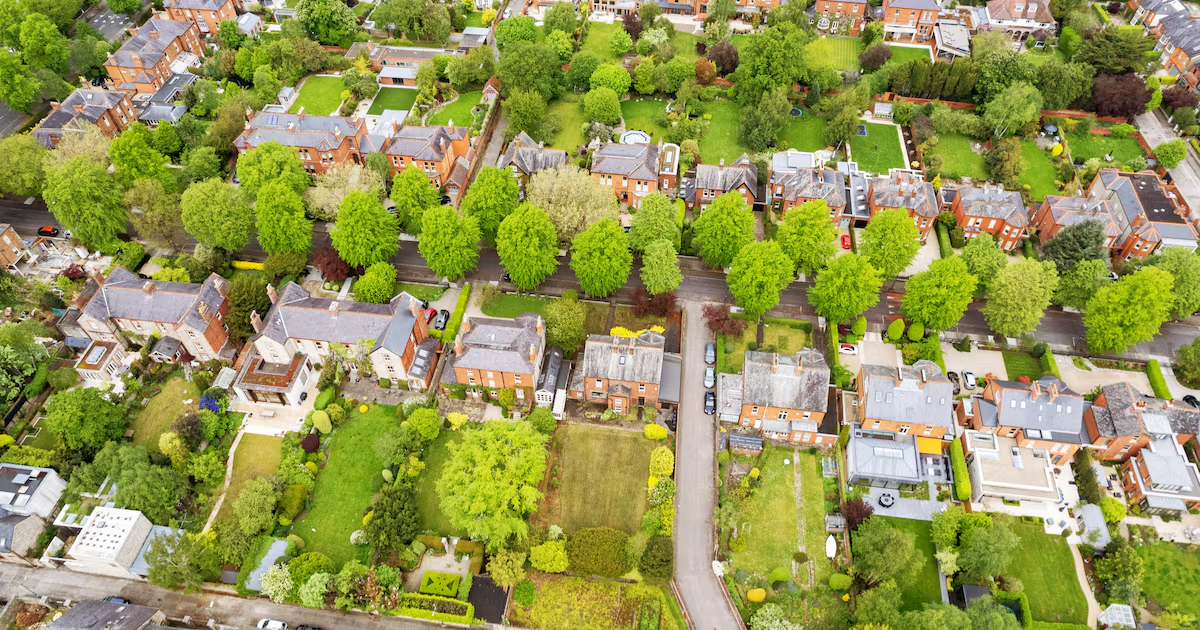
All that pavement, along with a constant flow of cars, densely packed housing, and a lack of greenery, means Hunting Park is warmer than leafier pockets of the city ‒ an urban heat island where temperatures can be as much as 7 degrees higher than the rest of the city during the day.
There are pockets like this all over Philadelphia, and in cities all over the country.