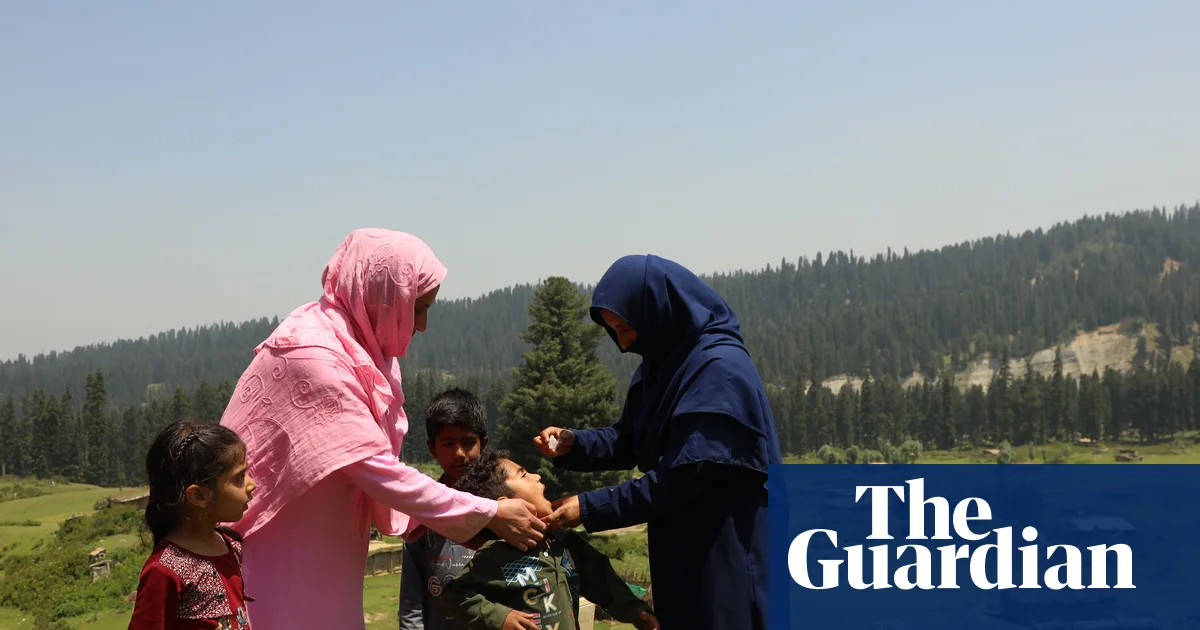
Far from hospitals, nomadic Gujjar women routinely go into labour – and die – on their herder communities’ long seasonal treks
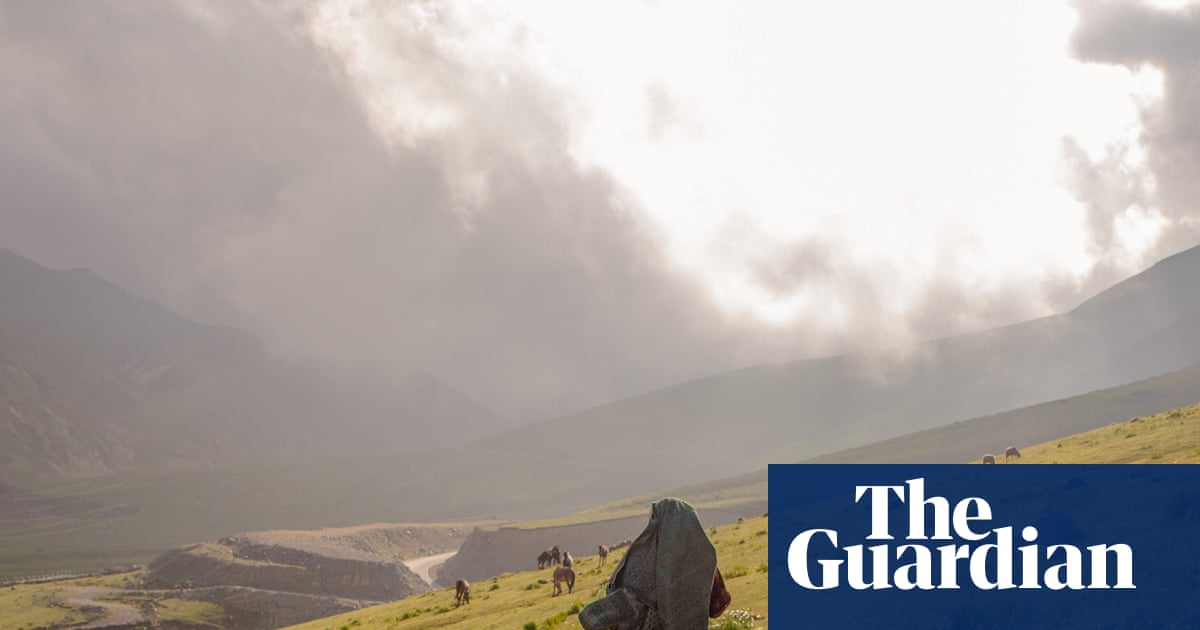
awn had just broken across the trail through the Pir Panjal mountains when Fatima Deader felt the first labour pains. She and her family had almost reached the midway point of their 134 mile (215km) trek from Rajouri in Jammu to Kashmir’s higher pastures. Mist clung to the forest, and the ground was slick beneath the feet of the caravan of about 70 pastoralists who had stopped to camp together the previous night.
A week from her due date, she had been travelling on horseback and assumed the discomfort she felt was fatigue – until pain tore through her body.
“There was no clinic, no nurse, no doctor,” Deader, 23, says. Only her mother and a midwife, Saira Begum, were with her in a damp canvas tent, whispering prayers. Hours after her son was born, and still weak and bleeding, Fatima had to ride again, her baby carefully tied to the horse with her, as the group’s journey continued through dense forest, home to tigers and bears.
The 3,500-metre-high Pir Panjal pass, also called Peer Ki Gali, connects the Jammu region to the Kashmir valley via the centuries-old Mughal Road, and each year when the snow melts, nearly a million nomadic Gujjar and Bakarwal herders set out with their goats, sheep and horses on journeys that can last months.