Every year, a small number of babies are born, or don’t survive to be born, because of a disease their parents never knew they carried. Both parents are healthy. Both are carriers of a mutated gene they’ve had no reason to suspect. But when two copies of that mutation meet in a developing baby, the consequences can be catastrophic and swift.
Researchers at the University of Southern California believe they may have found a promising new path forward, and the starting point is something most people flush away without a second thought.
When the Kidneys Become the Enemy
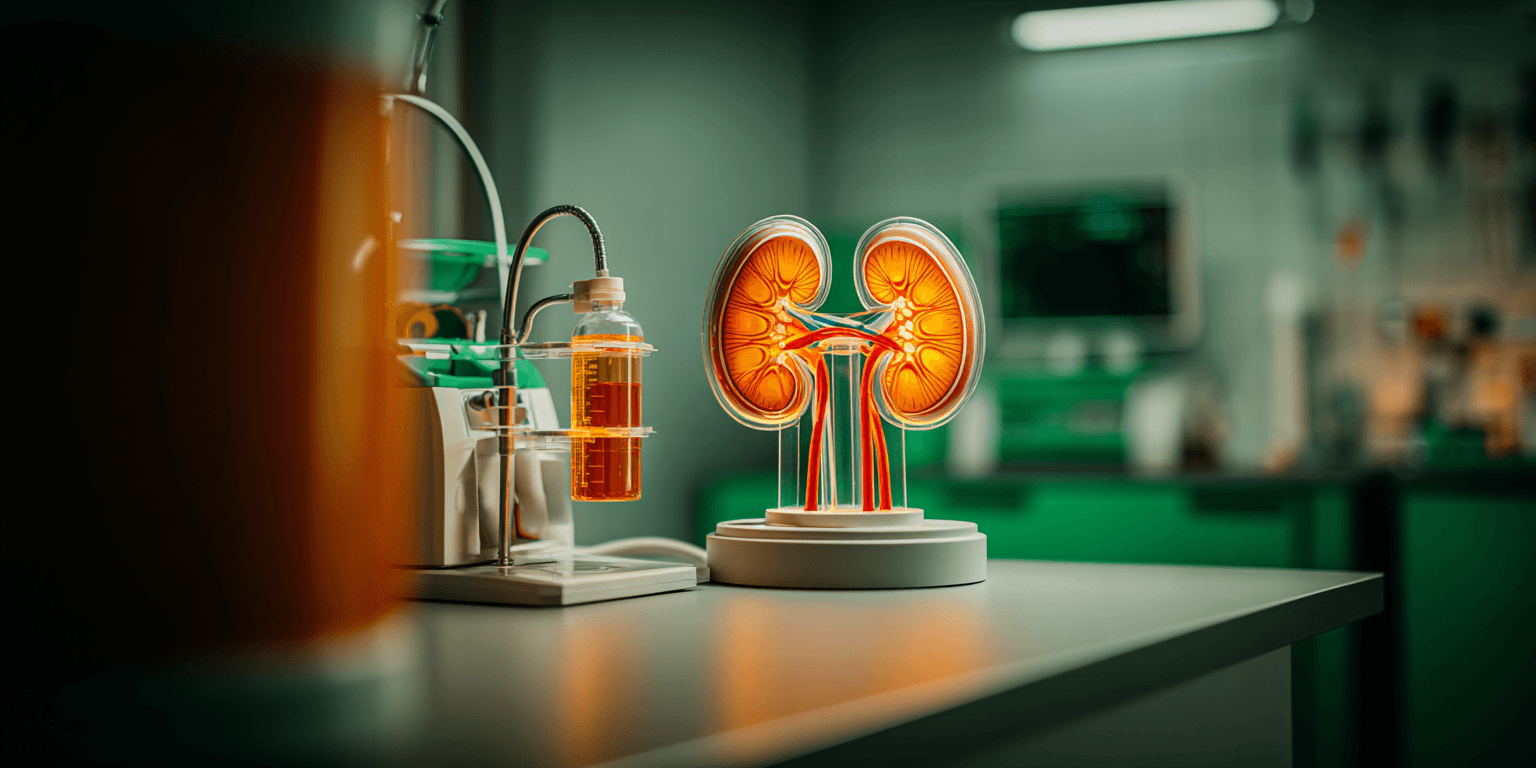
Autosomal recessive polycystic kidney disease, or ARPKD, affects roughly 1 in 26,500 live births worldwide. In its most severe form, it is detectable before birth. Fetal ultrasounds, typically around week 20, reveal kidneys that have grown massively enlarged and riddled with fluid-filled cysts. The swollen organs leave no room for the lungs to develop.
“The kidneys get so big that it affects other essential organ development during fetal development, ,” said Eun Ji Chung, the study’s senior author and the Director of the Transformative Center for Nanomedicine Dr. Karl Jacob Jr. and Karl Jacob III Early Career Chair and an associate professor of biomedical engineering, chemical engineering, medicine, surgery, and pharmacy at the Alfred E. Mann Department of Biomedical Engineering at USC Viterbi. “When the severe form of ARPKD occurs, the patient is born, and oftentimes they’re unable to breathe. So, it’s not just a kidney problem.”