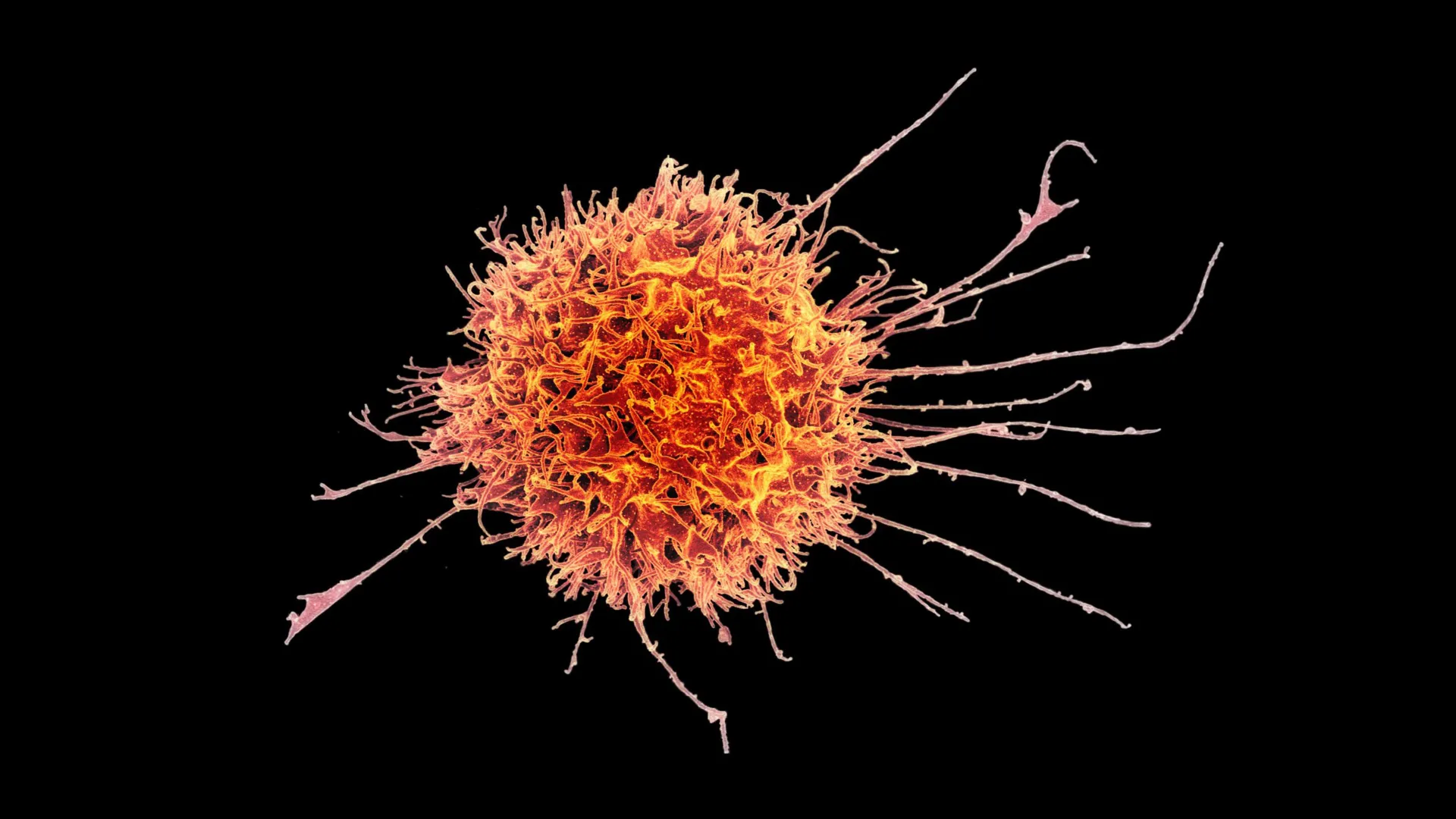
Researchers at UCLA have identified a hidden weakness in some of the most aggressive and difficult-to-treat cancers, raising hopes for a new way to attack tumors that have resisted treatment for decades.
Small cell neuroendocrine cancers can develop in the lung, prostate, and ovary. These fast-growing tumors tend to spread early and have remained among the hardest cancers to treat successfully.
A key feature of these cancers is the loss of a gene called RB. Under normal conditions, RB helps keep cell growth under control. When the gene is missing, cancer cells multiply rapidly and become resistant to many targeted therapies.
Now, a new study published in Proceedings of the National Academy of Sciences suggests that losing RB also creates an unexpected vulnerability that researchers believe could become a powerful treatment target.
A Hidden Dependency in Deadly Cancers