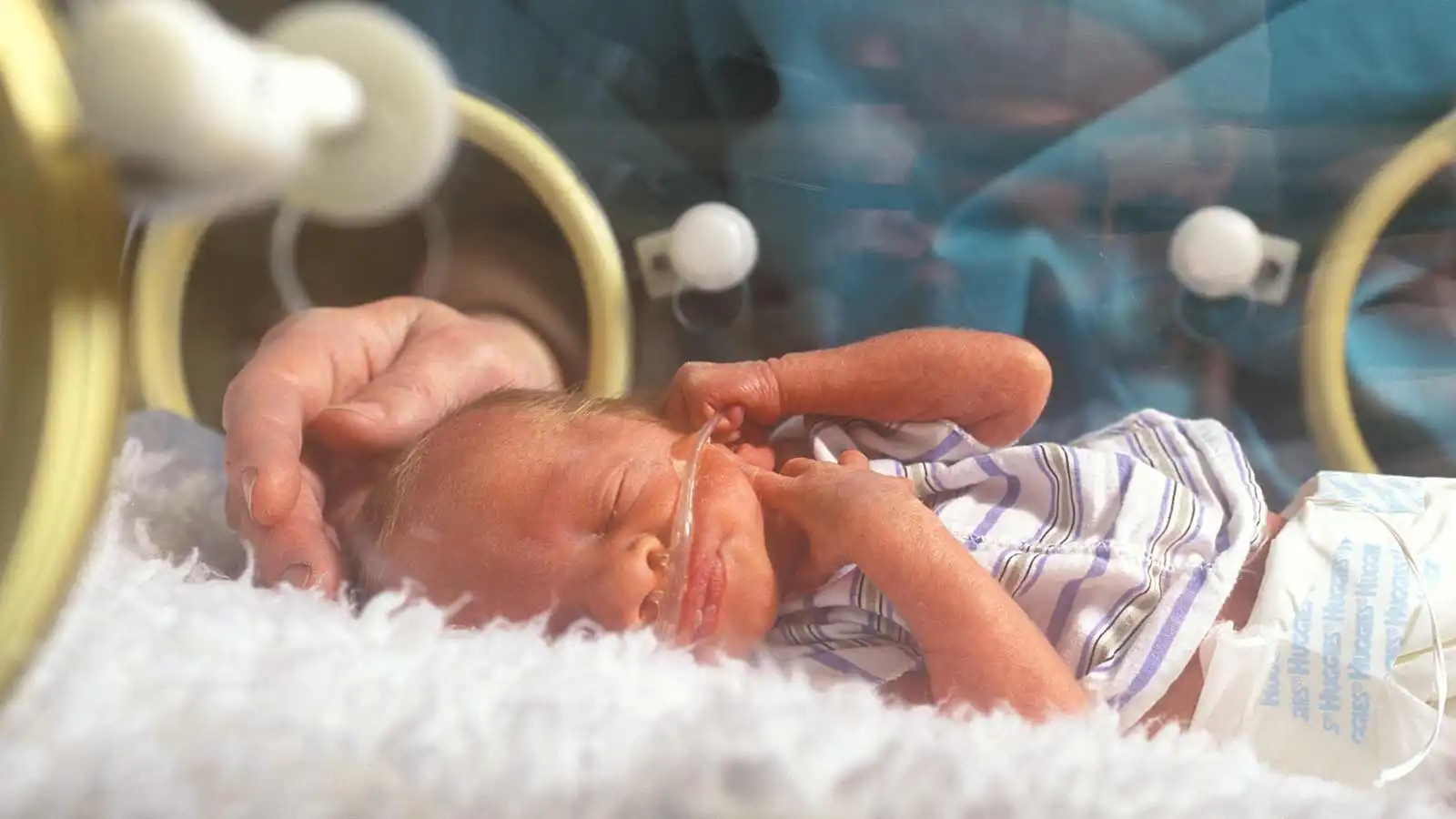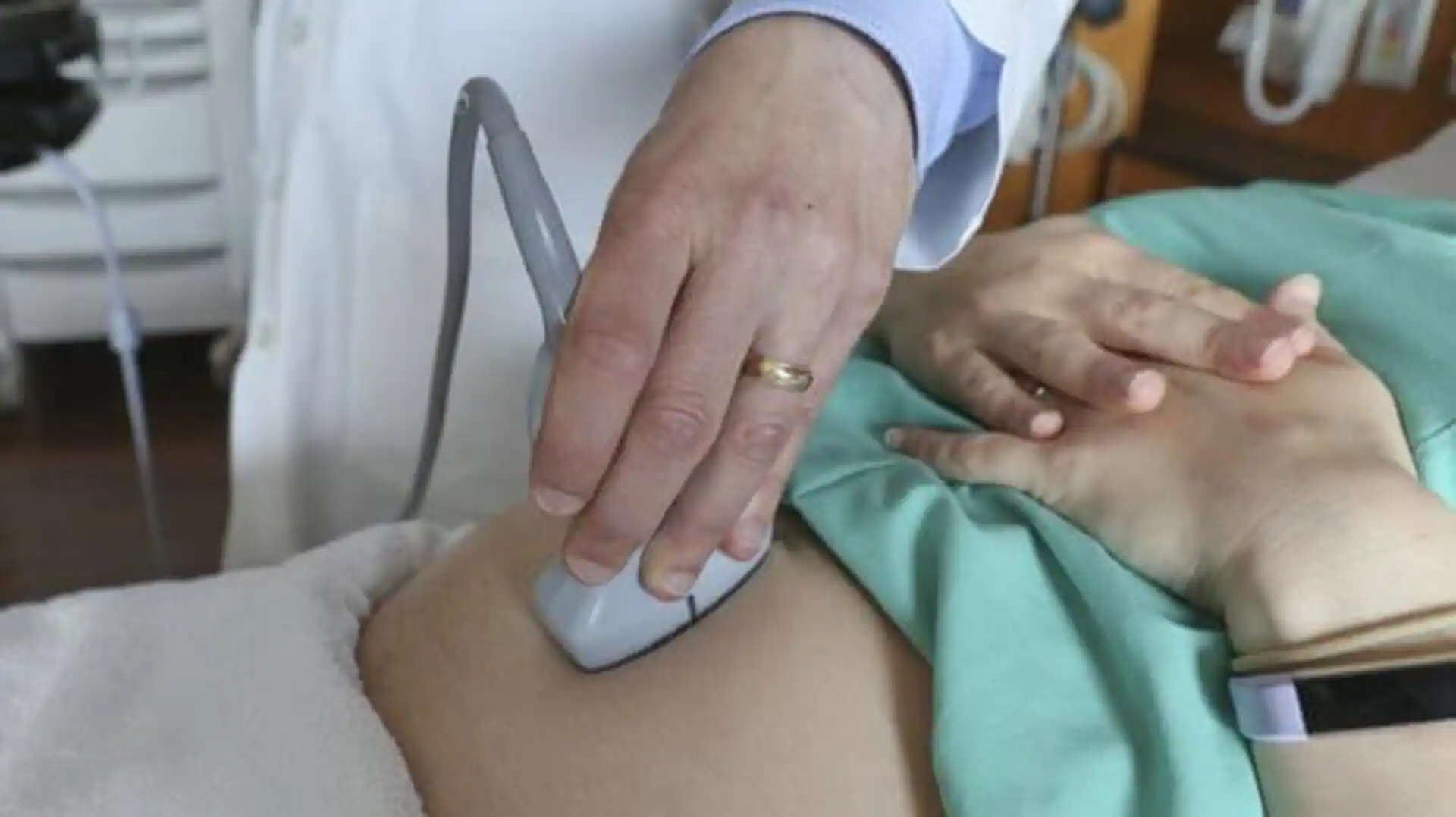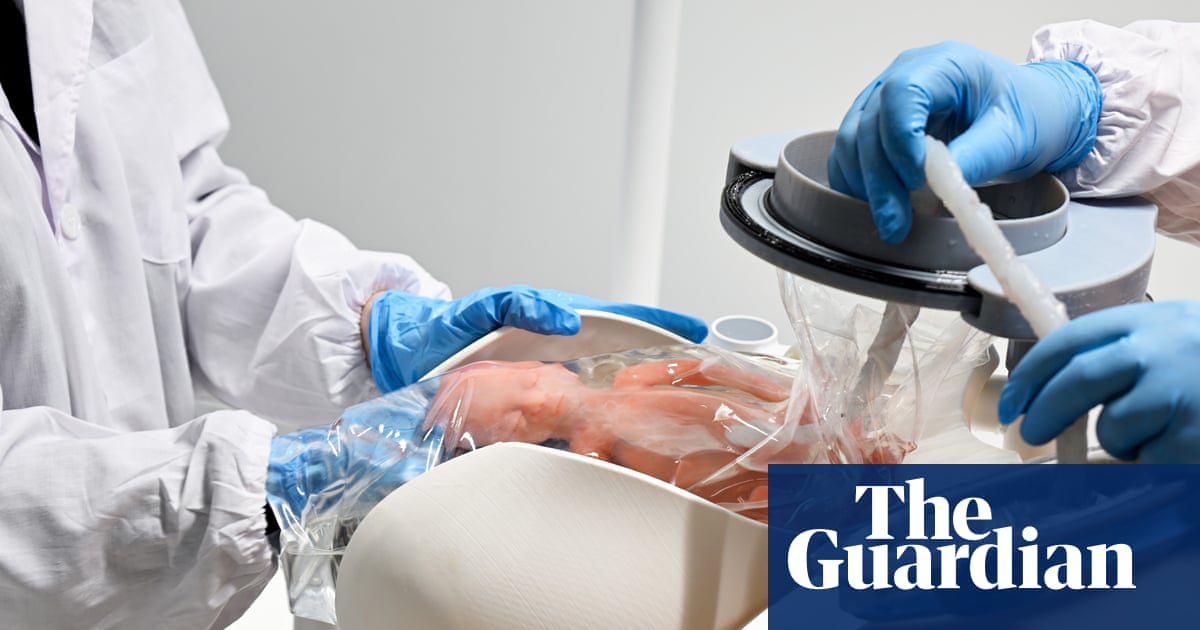
Women diagnosed early in pregnancy with a fetus lacking adequate kidney function to make the urine that serves as vital amniotic fluid have long faced virtually no chance of the fetus's survival after birth.
Now, new results of a clinical trial investigating prenatal treatment for this condition, known as anhydramnios, conducted at the Johns Hopkins Center for Fetal Therapy and Johns Hopkins Children's Center, show that some with the disorder have survived and thrived into toddlerhood owing to prenatal infusions of replacement fluid into the womb and kidney replacement therapy with dialysis after birth.
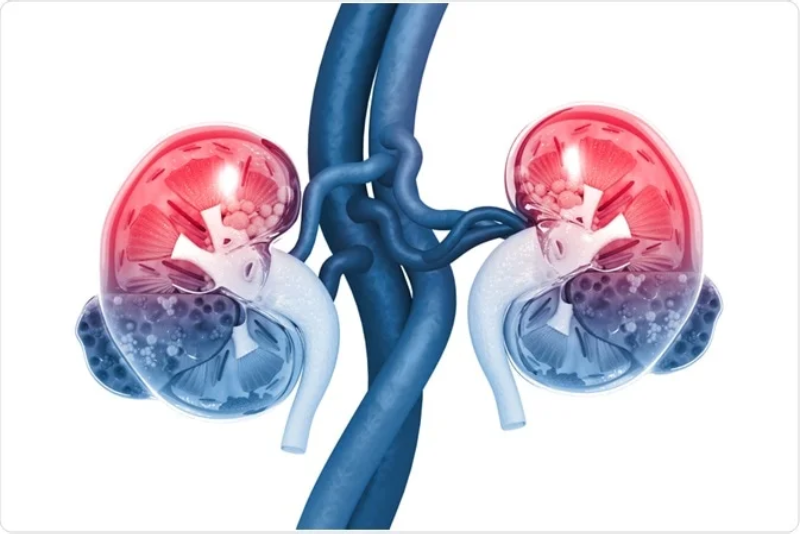
The latest findings from the Renal Anhydramnios Fetal Therapy (RAFT) trial are published in JAMA. Amniotic fluid is the liquid cushion for fetuses in the womb. By 16 to 20 weeks of gestation, 90% or more of the fluid is made from the baby's urine, providing nutrients, hormones and other factors critical to the normal development of the fetal lungs. Anhydramnios happens when the fetal kidneys, ureters, bladder or urethra fail to develop properly, interfering with the ability to make or pass urine.
Amnioinfusions stimulate lung development
The RAFT Trial was conducted at 13 centers across the U.S., including Johns Hopkins Medicine, which was the lead coordinating center. Enrolled patients received repeated injections of fluid mimicking amniotic fluid (amnioinfusions) into the amniotic sac, with the goal of stimulating lung development so newborns could be delivered with functioning lungs.