At the start of 2014, Google announced an initiative that, if successful, seemed destined to position Silicon Valley as a major force in the healthcare space. In a blog post, the company disclosed that it had begun developing a smart contact lens prototype that could measure glucose levels in tears via a miniaturized sensor nestled inside its layers. The prototypes could reportedly generate a reading once every second.
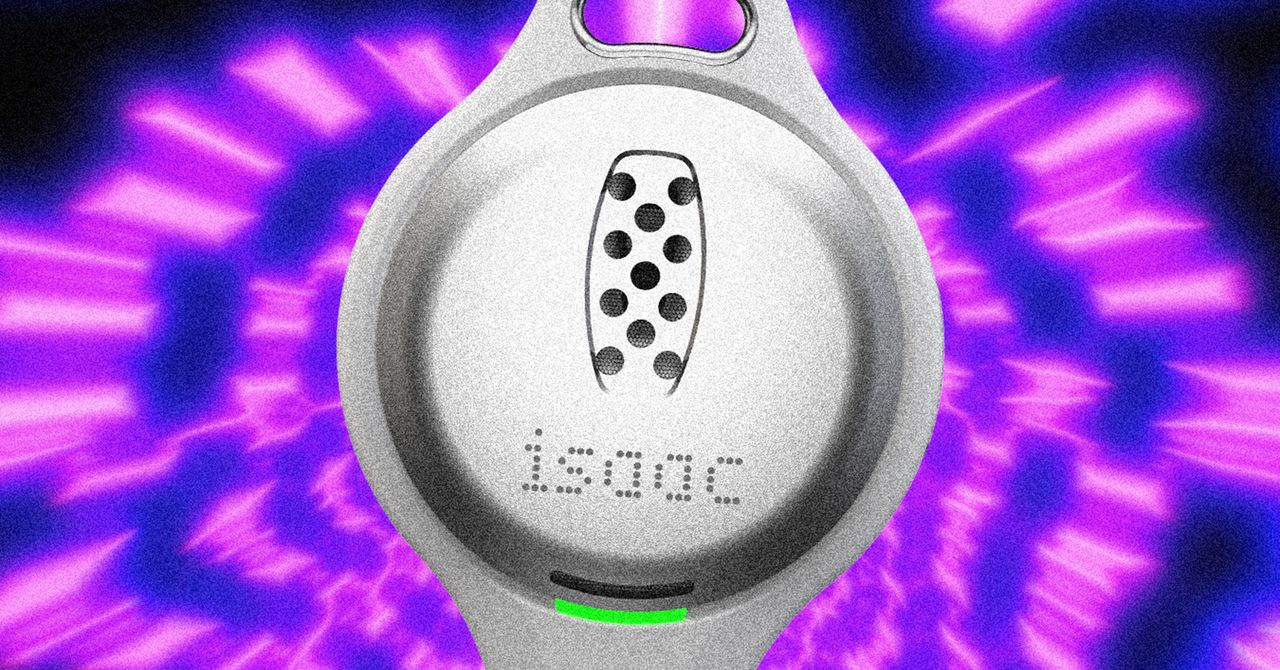
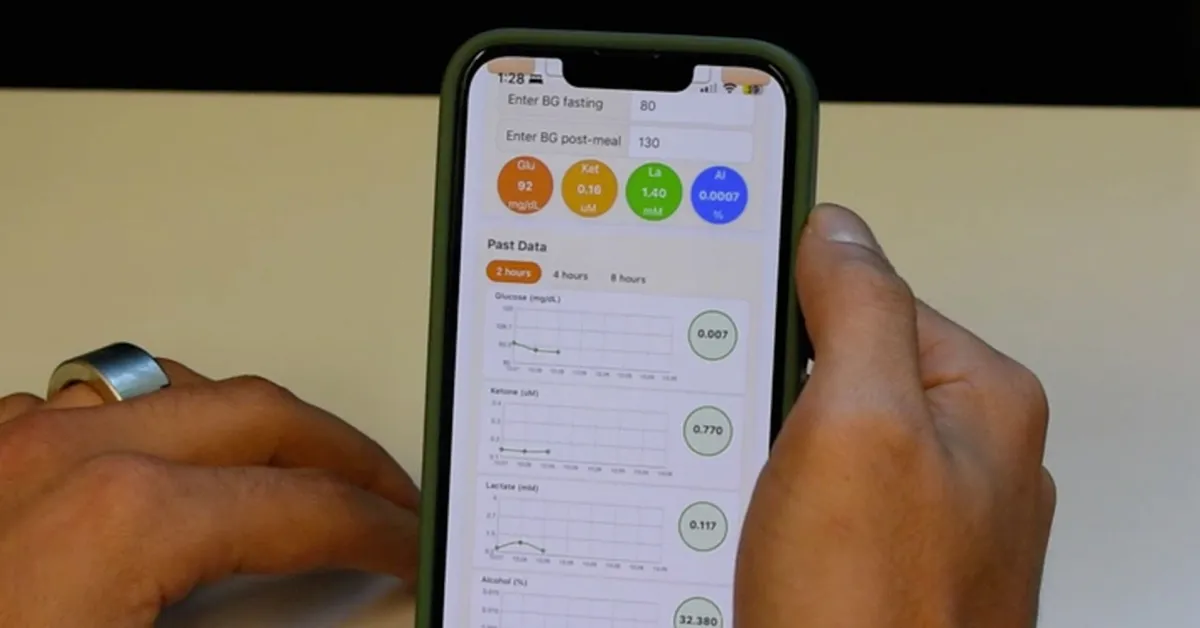
If the technology had proved successful, it would have done two big things. First, it would have been a game-changer for the roughly 830 million people living with diabetes worldwide, as it would have provided a far easier means for frequent glucose monitoring, which is tied to better long-term health outcomes. But it would have also been a breakthrough for consumer wearables. A successful smart lens would have proven that a major tech company could solve a core biomedical problem and would have allowed Google to compete with traditional medical-device companies and make it a legitimate player within the healthcare space. But it didn’t happen. Despite the fanfare and anticipation surrounding the announcement, just two years into the venture, reporting, including a 2016 STAT investigation, showed that the project was littered with setbacks. The main issue was one of basic science: tears were simply an unreliable fluid for measuring levels of blood glucose. On a larger scale it also revealed a few other issues surrounding the merger of consumer tech and healthcare. For one, miniaturizing hardware is not always enough, as human biology is noisy and messy. And second, medical devices require extremely accurate, reliable data. A device that estimates daily step count can, for obvious reasons, be good enough, but one that measures blood glucose readings in people with diabetes? Good enough won’t cut it. Today, scientists are still working on nailing down what remains to be one of the holy grails of wearables: truly noninvasive glucose monitoring. Unlike smart contact lenses, these devices wouldn’t contact bodily fluids. Instead, they would detect glucose’s unique molecular signature through the skin, and then use that signal to estimate blood glucose levels indirectly. This remains one of the most challenging problems in biomedical engineering. But researchers are slowly chipping away at the physics, chemistry, and materials science needed to reach this goal—and they are closer than ever.