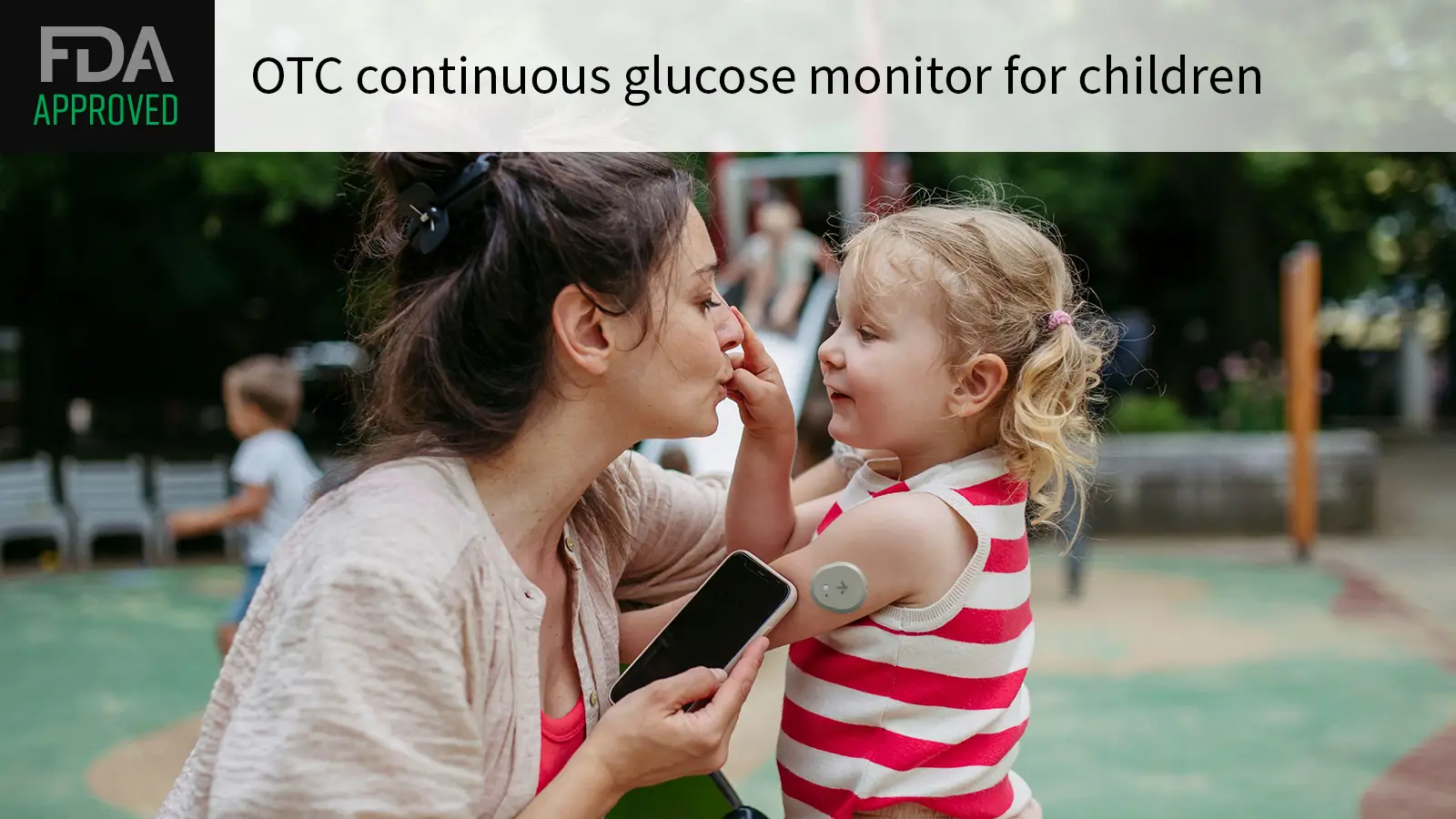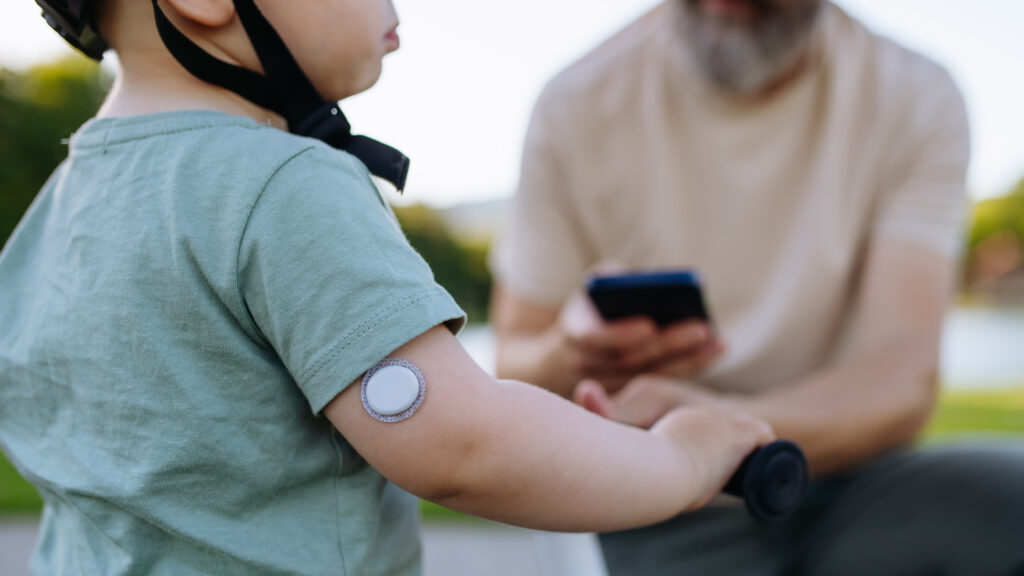
You get a CGM, you get a CGM, everybody gets a CGM? For the first time in the United States, children 2 and older can also get a continuous glucose monitor without a doctor’s prescription.
Is that a good thing? The Food and Drug Administration thinks so.
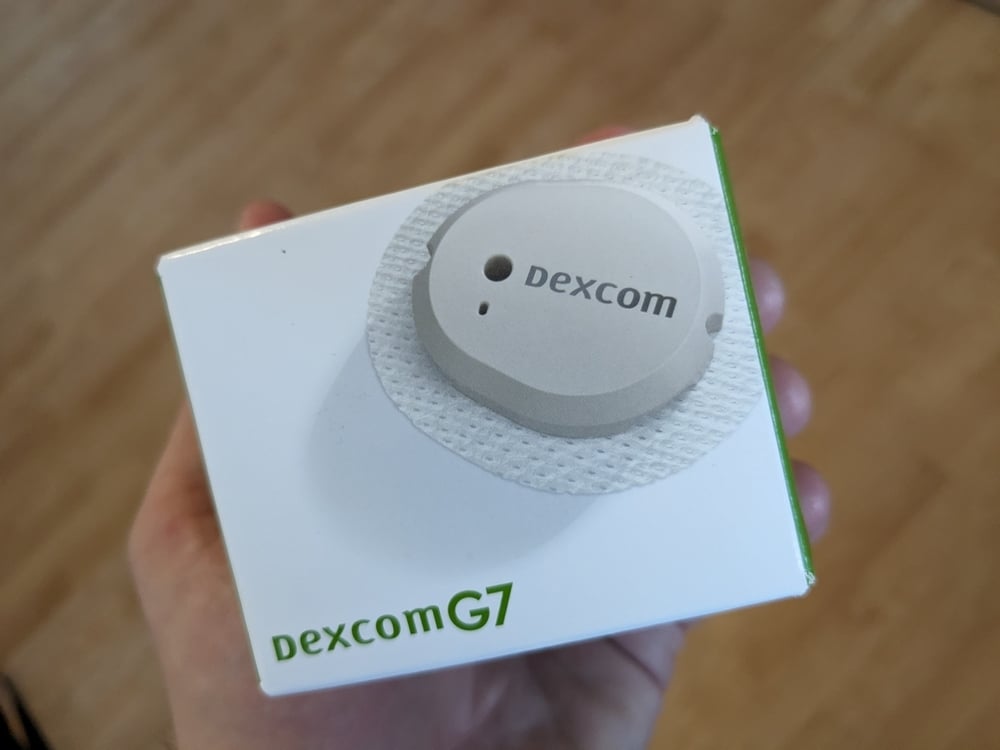
“By providing real-time glucose data, these devices can help pediatric patients and their caregivers build greater glycemic awareness, track patterns in response to meals and exercise, and make informed adjustments to support healthier long-term outcomes and quality of life,” the agency wrote last month when clearing Dexcom’s Stelo for marketing.
But experts have mixed views on how over-the-counter CGM access will affect children. Some clinicians say gathering more data on children at high risk for diabetes would inform clinical interventions. Others worry the onslaught of information will create a culture of hyperfocusing on data, leading to unnecessary panic and restrictive food behaviors.
“So many of the wellness trends that are alive and well in our culture right now are being directed to our families,” said Wendy Schofer, a pediatrician who specializes in eating disorder prevention. “Thinking about [CGMs] as a part of the clinical standard of care, let alone over the counter, is really premature right now. It’s something that we don’t have enough information, let alone enough guidance for families to be able to really understand what this tool is providing and how to use it without harming the child.”