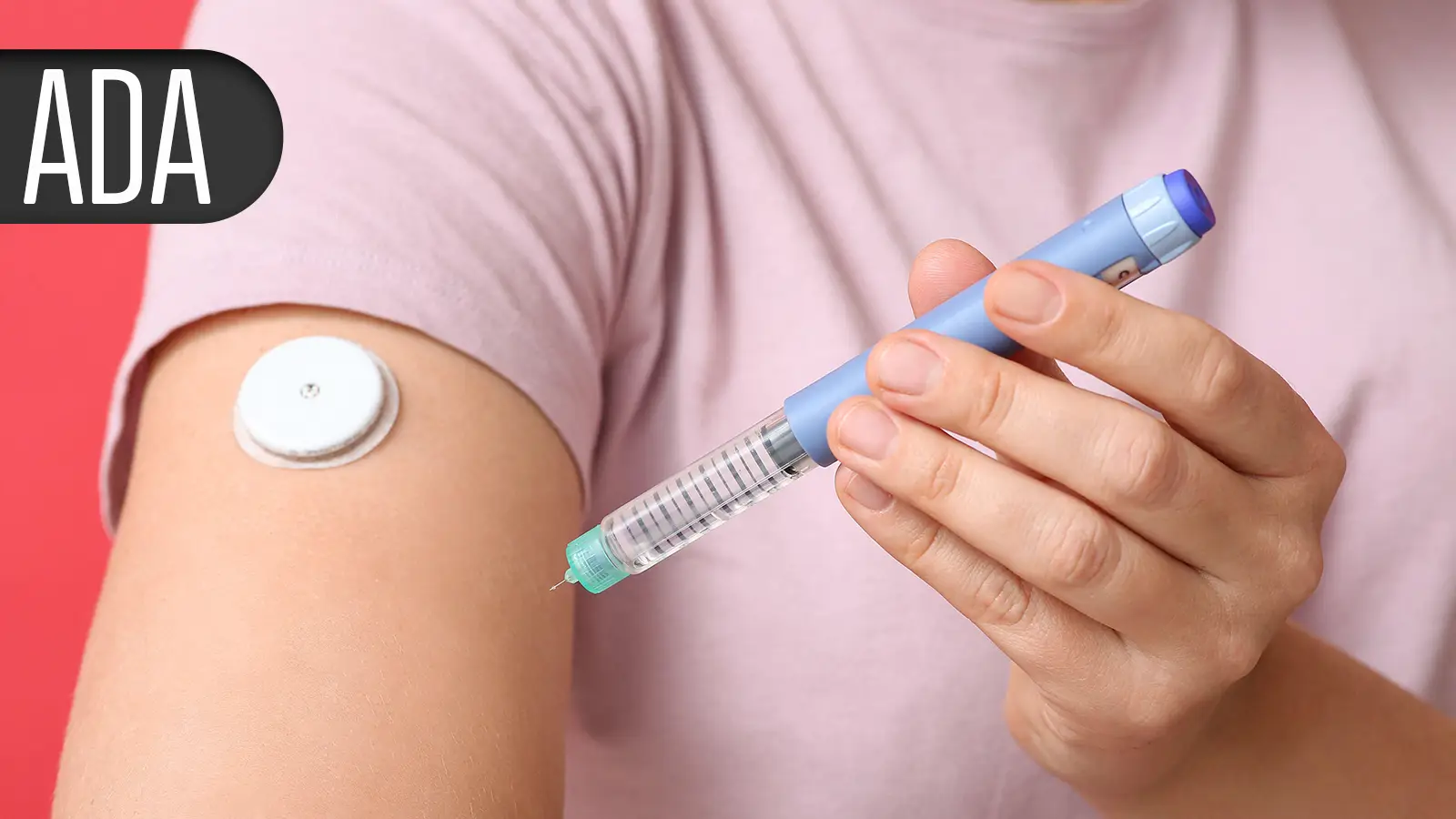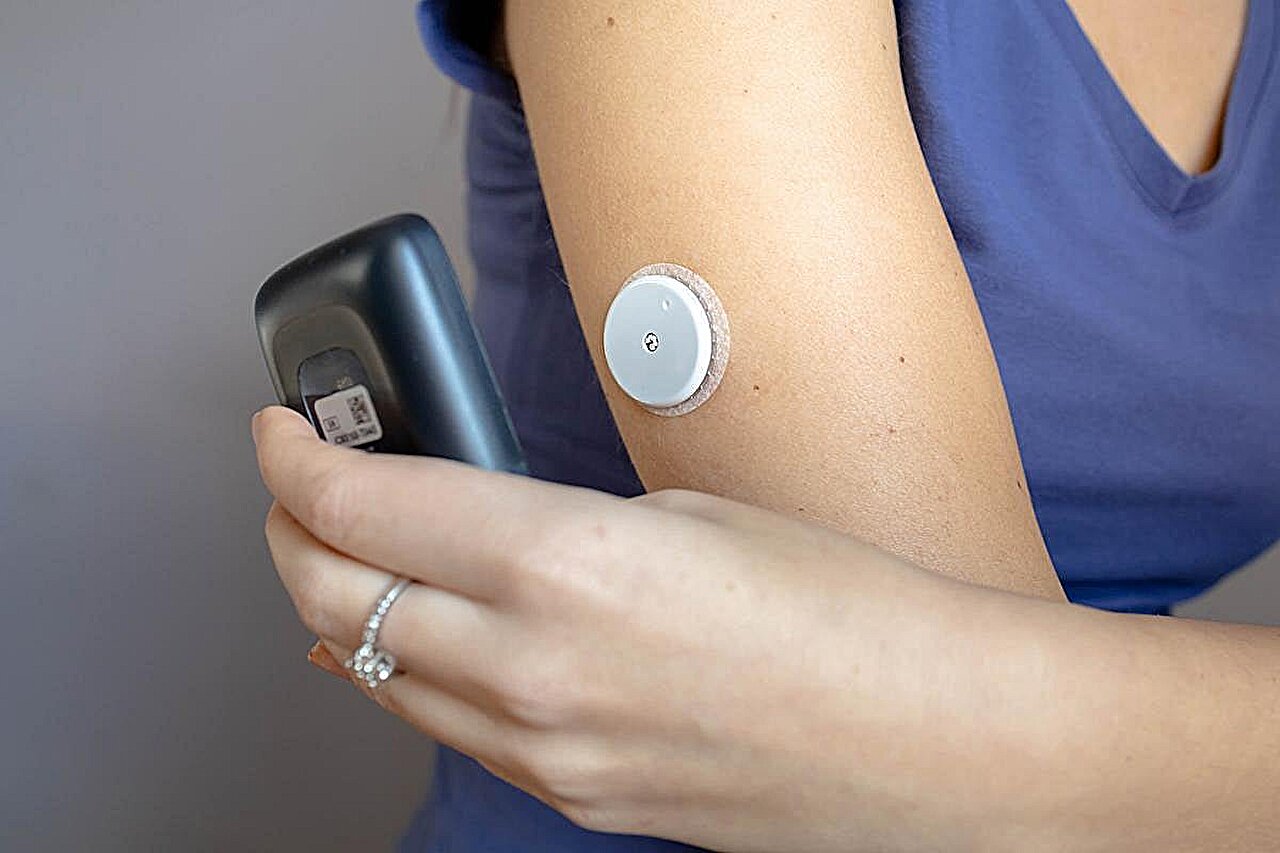
For adults with type 2 diabetes (T2D) not on insulin therapy (NIT), continuous glucose monitoring (CGM) is associated with a substantial reduction in glycated hemoglobin (HbA1c), according to a study presented at the annual meeting of the American Diabetes Association, held from June 5 to 8 in New Orleans.
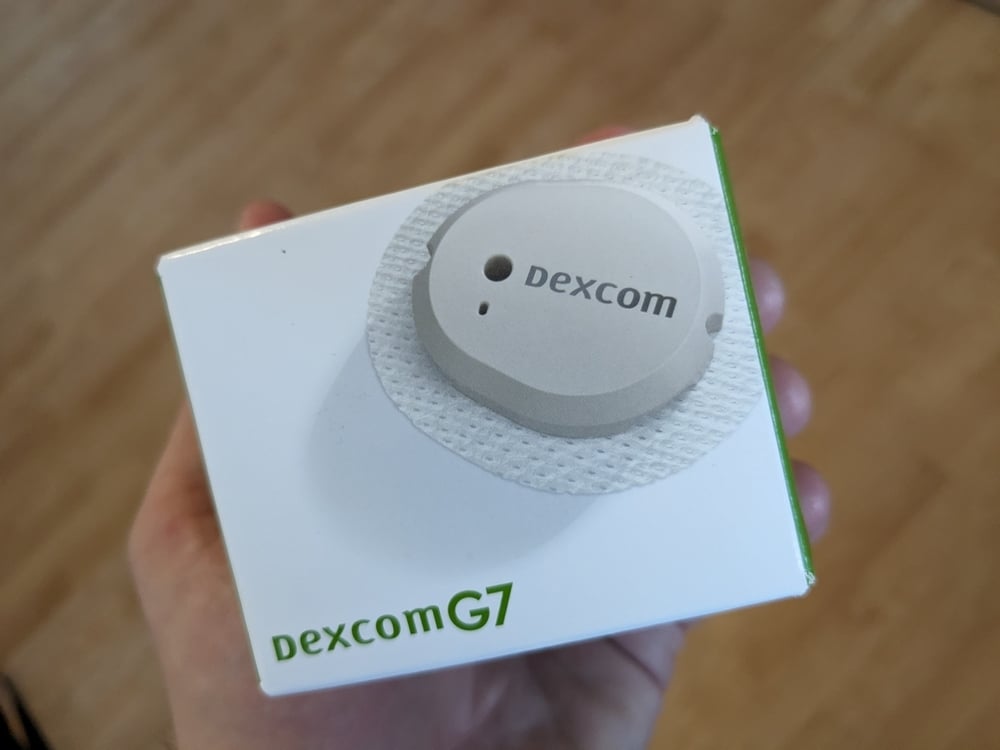
Tamara Oser, M.D., from the University of Colorado Anschutz in Aurora, and colleagues randomly assigned 283 adults with T2D-NIT and HbA1c ≥7.5% to a Dexcom G7 CGM device or routine care (RC) for 26 weeks. Blinded CGM data were obtained at baseline for both groups.
Overall, 40% and 37% of participants used an incretin mimetic (IM) and a sodium glucose cotransporter 2 inhibitor (SGLT2i), respectively. The researchers found that mean HbA1c was 8.6 ± 1.0%, 8.6 ± 1.0%, and 9.0 ± 1.5% in IM users, SGLT2i users, and those using neither medication, respectively. CGM was associated with a substantial reduction in hyperglycemia, with a 0.9% greater reduction in HbA1c in the CGM group versus the RC group after 26 weeks. Time in the glucose target range of 70 to 180 mg/dL was five hours greater per day with CGM than RC. Compared with the RC group, participants in the CGM group expressed greater satisfaction with glucose monitoring and reduced diabetes-related distress.