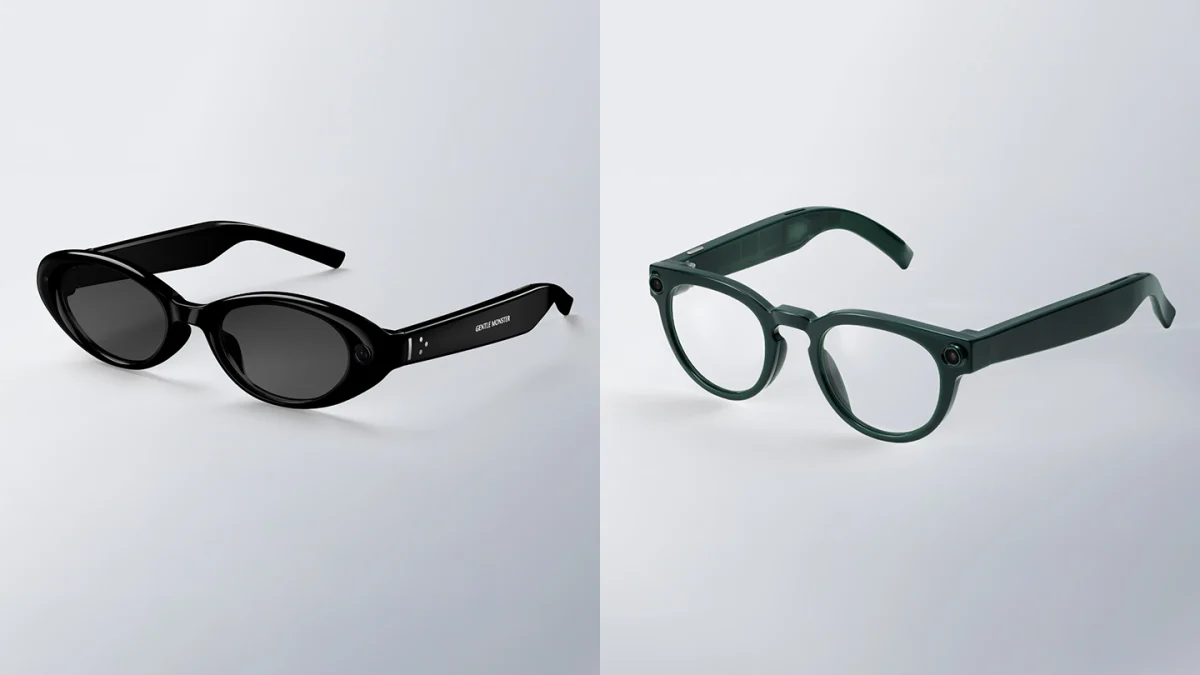
(Image credit: Samsung)
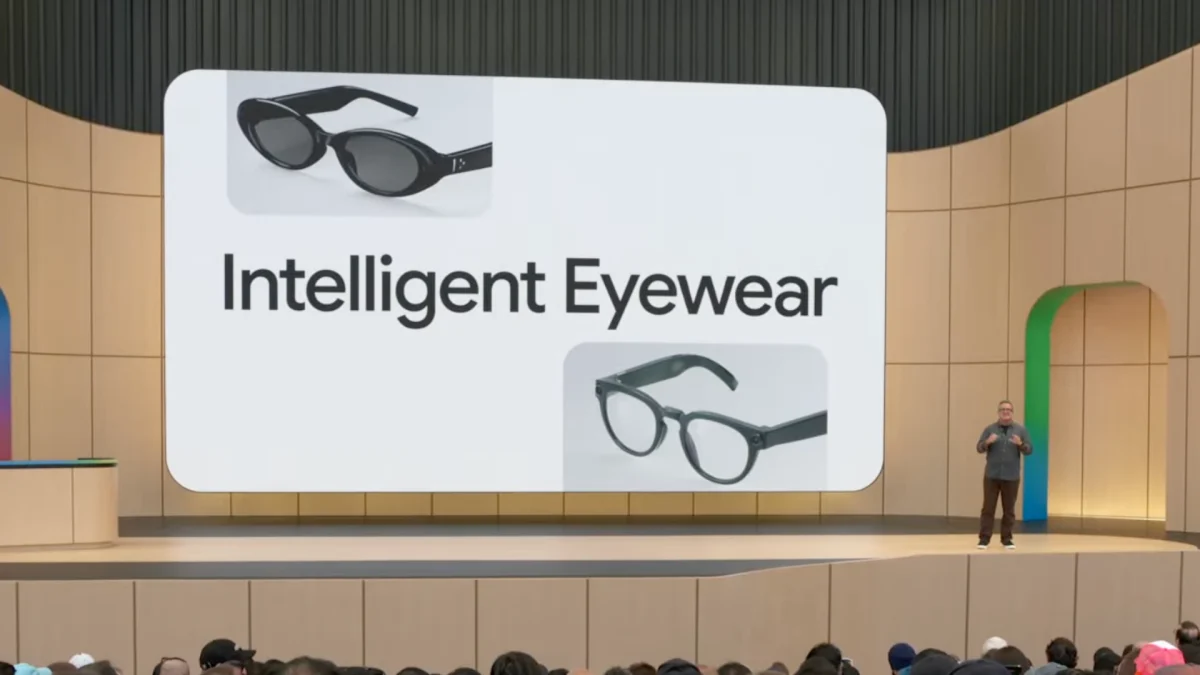
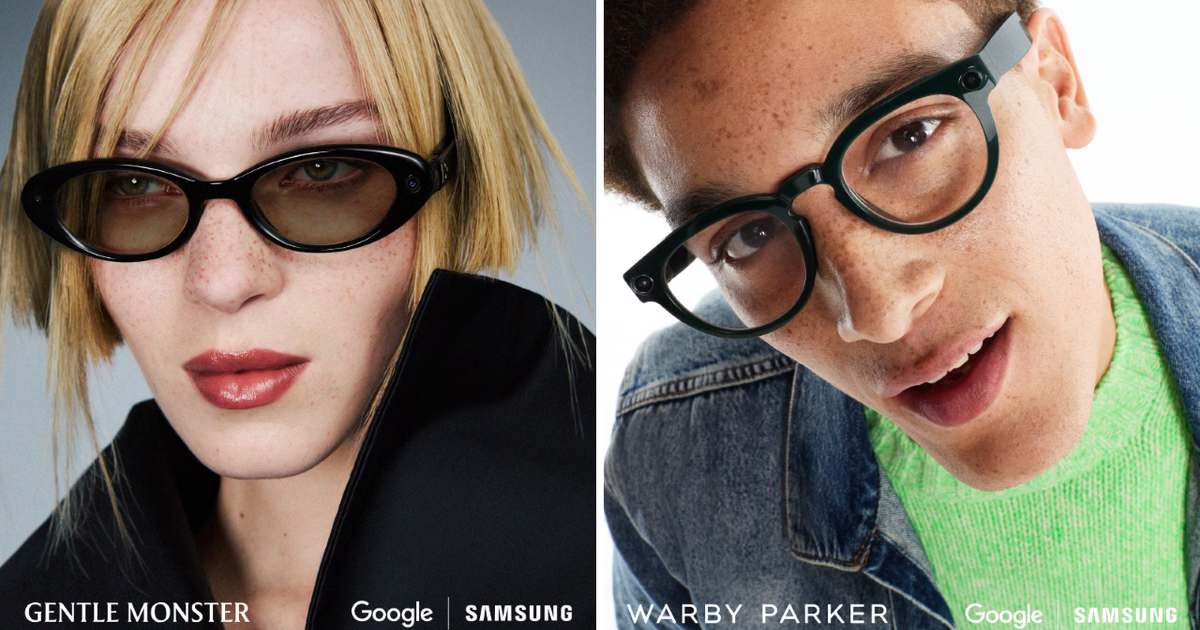
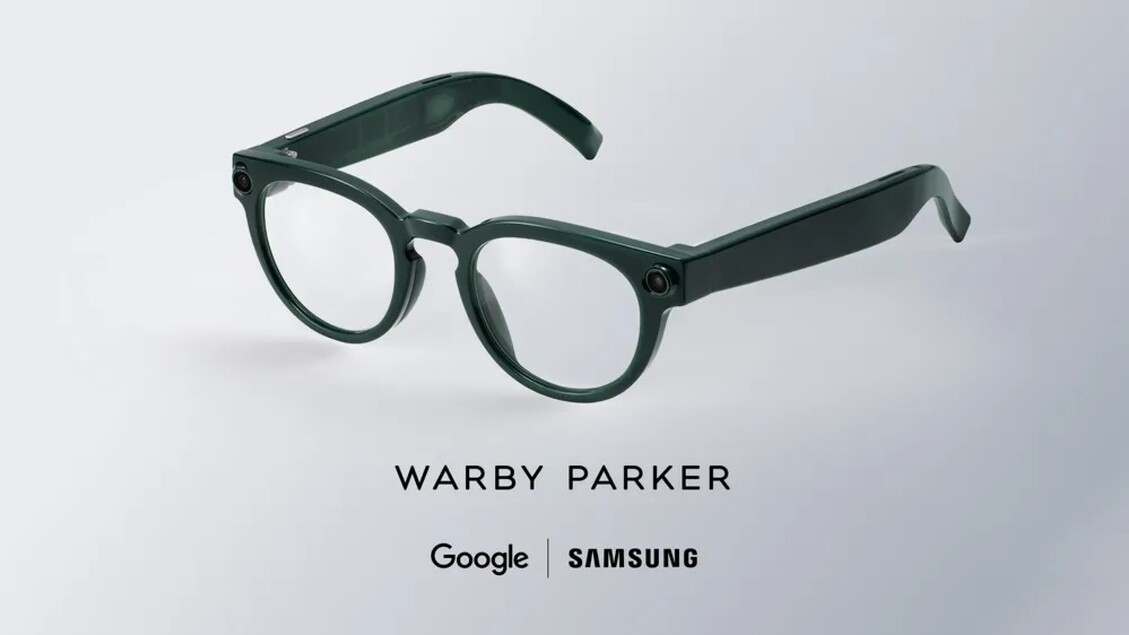
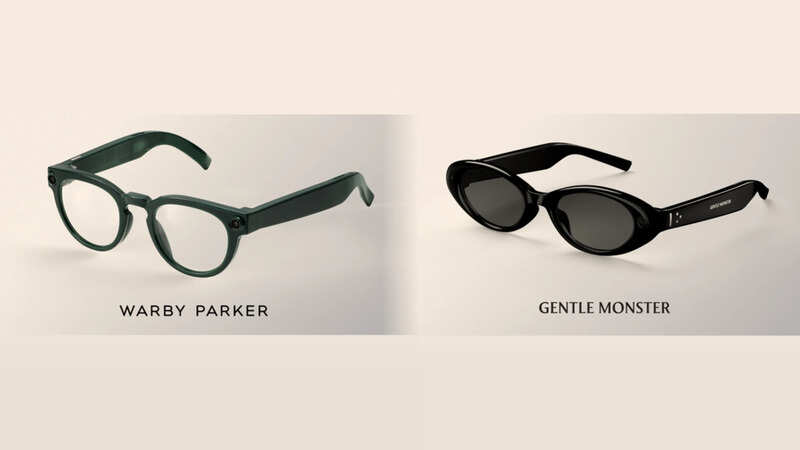
I don't mean to brag, but aside from a little photosensitivity, my eyesight is damn near perfect. In the 30-plus years I've been alive, I've often been grateful for the fact that I don't need any sort of corrective eyewear to function. Unfortunately, in a world increasingly interested in the best smart glasses, that poses a problem.I imagine that if I did wear glasses, I might be more enthusiastic about smart glasses as a whole. It doesn't matter whether we're talking about specs with built-in displays, like Meta Ray-Ban Display, or something that relies on voice and audio like Intelligent Eyewear from Samsung and Google. But the fact that I generally don't wear accessories on my face means the entire prospect of smarter eyewear does not appeal to me in the slightest.I say this following the reveal of Samsung and Google's Intelligent Eyewear at Google I/O earlier this week. The glasses may not have displays or gesture controls, but the addition of Gemini and its connection to Google apps and services has wowed some of my colleagues here at Tom's Guide. And yet, my lack of eyewear experience means I can't really see the appeal.What do smart glasses do?
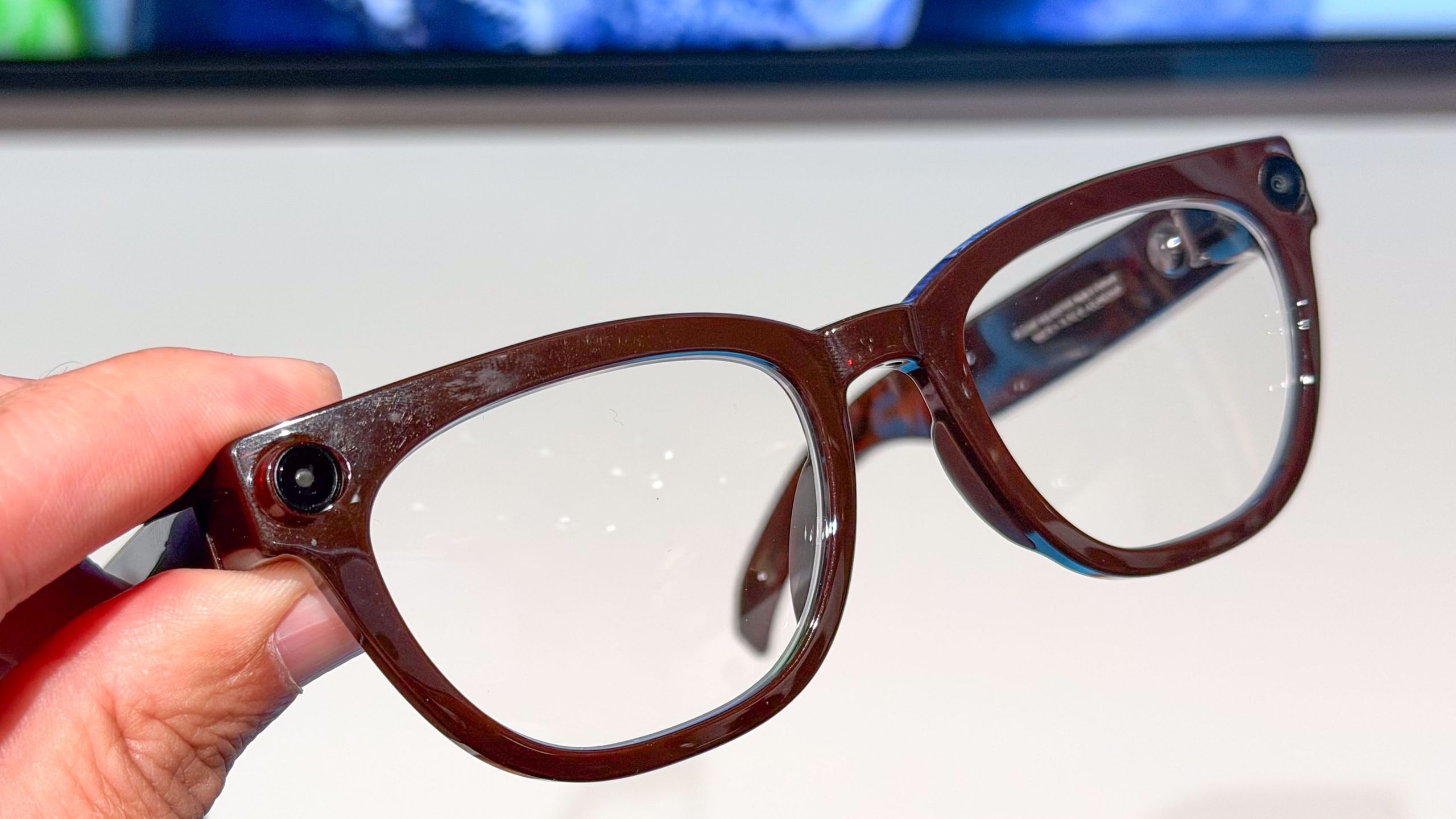
(Image credit: Future)Different smart glasses offer different features, depending on who made them and on the hardware available. Typically, these frames come with an integrated camera, microphone, personal speakers, and a way to interact with an AI assistant. For Meta Ray-Bans, that assistant is Meta AI, while the new Intelligent Eyewear from Samsung and Google is linked in with Google's Gemini.While the basic hardware allows these glasses to be used as cameras or headphones, the extra capabilities are wholly dependent on the AI you have access to. Like smartwatches, they are essentially a way of interacting with another device, usually your phone, using voice prompts and commands.Google revealed that Intelligent Eyewear will have access to a whole host of Google services, including Google Maps, which should give it a slight edge over platforms that don't have such a robust software suite to fall back on.More advanced smart glasses have pushed the envelope a little further, with new hardware and ways of interacting with the glasses themselves. The Meta Ray-Ban Displays include a wristband that enables gesture control, as well as a small screen in your line of sight that adds visual information and apps to the mix.Get instant access to breaking news, the hottest reviews, great deals and helpful tips.Fully-fledged AR glasses are also available, with more robust eye-level screens. A good example is the Viture Beast, which is our current pick for the best smart glasses. However, these devices are a lot larger and more obvious, on account of the AR display needing more hardware to operate.AR glasses certainly feel more appealing to me, as a non-glasses wearer, especially if they can overlay TV or monitor-style screens directly in my line of sight. But AI-only glasses are a much harder sell.I already don't like using wearables