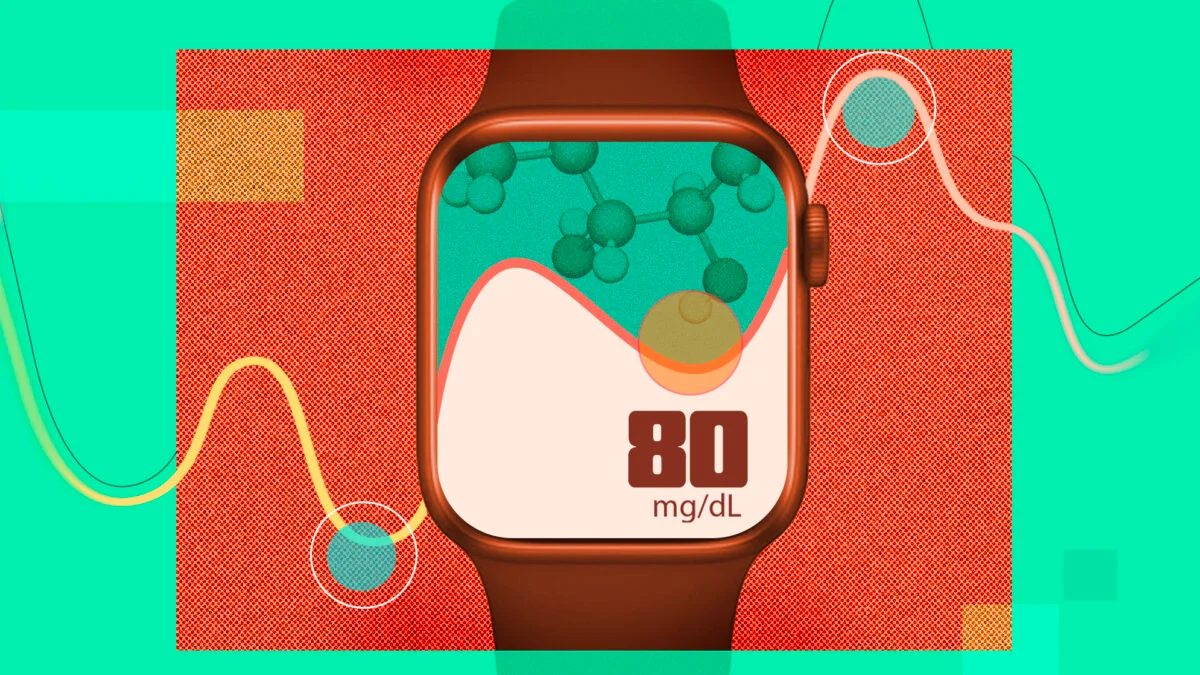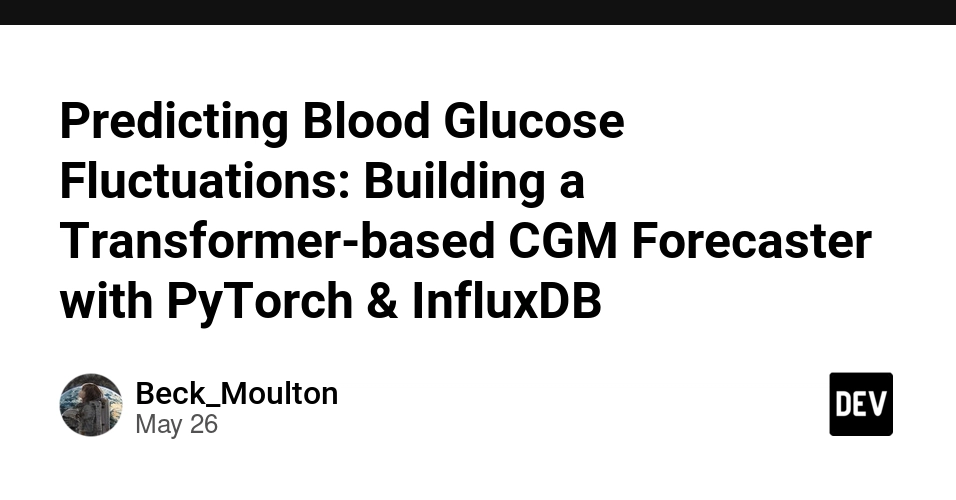
Managing metabolic health isn't just about counting calories—it's about understanding the complex rhythms of our bodies. For those living with diabetes or biohackers optimizing performance, Continuous Glucose Monitoring (CGM) data is a goldmine. However, raw data is reactive. To be proactive, we need time-series forecasting that can anticipate a "crash" before it happens.
In this guide, we’re moving beyond simple linear regressions. We are implementing a Transformer architecture using PyTorch to process high-frequency physiological data. By leveraging attention mechanisms, our model will learn to predict blood glucose levels for the next 30 minutes, providing a critical window for hypoglycemia prevention. We'll store our streams in InfluxDB and visualize the "danger zones" in Grafana. 🚀
Why Transformers for Health Data?
Traditional models like LSTMs often struggle with long-range dependencies or "forget" the impact of a high-carb meal consumed two hours ago. The Transformer architecture, famous for powering LLMs, uses self-attention to weigh the importance of different time steps simultaneously. Whether it's a sudden spike from a workout or a slow climb from a late-night snack, the Transformer sees the whole picture.