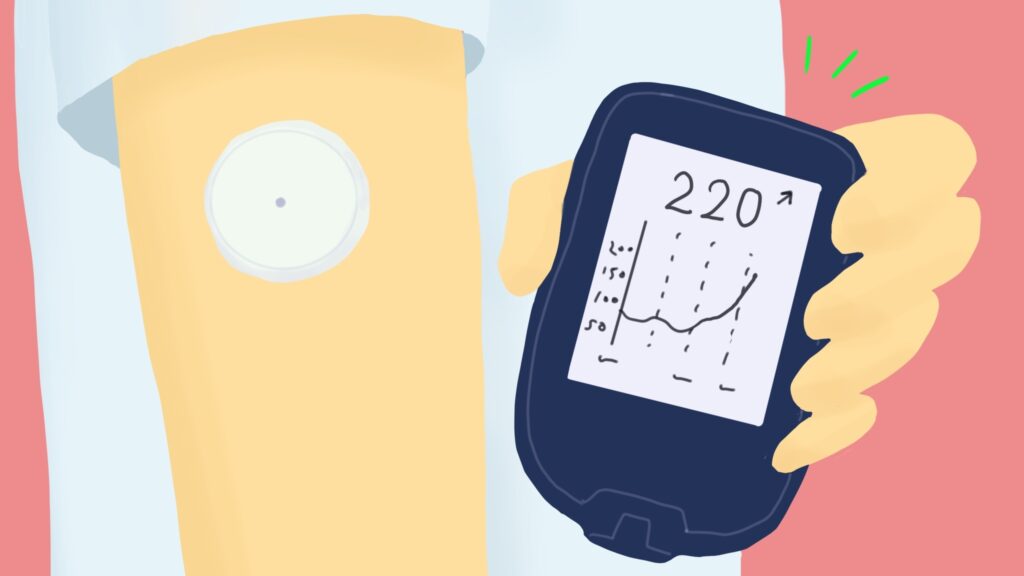
If you’ve ever looked at a Continuous Glucose Monitor (CGM) graph from a Dexcom or FreeStyle Libre, you know it feels like looking at a volatile stock market ticker. But unlike stocks, these fluctuations impact your immediate health. The challenge isn't just seeing where your glucose is now, but where it’s going in the next 30 minutes to prevent hypoglycemic "crashes" or hyperglycemic "spikes."
In this guide, we’re building a high-performance Time-series Forecasting engine. We’ll leverage Temporal Convolutional Networks (TCN) for deep learning, PyTorch Lightning for scalable training, and InfluxDB/Grafana for real-time observability. Whether you're into metabolic health AI, wearable tech, or deep learning for time-series, this implementation covers the full stack from raw sensor data to actionable alerts.
Why TCN Over LSTM? 🧠
While LSTMs have been the "go-to" for time-series, Temporal Convolutional Networks (TCNs) are taking over. Why?
Parallelism: Unlike RNNs, convolutions can be processed in parallel.